
Common Cable Types Used in Africa: NYY, XLPE, ACSR, Armored & Solar Cables for Power Distribution
Discover the 10 most common cable types used across Africa, including NYY, XLPE, and armored cables. Learn about applications, features, and international standards for residential, industrial, and renewable energy systems.
hongjing.Wang@Feichun
12/11/202510 min read
Introduction
Africa's rapidly expanding infrastructure presents unique challenges for electrical and communication systems. From the arid deserts of the Sahara to the humid tropical forests of Central Africa, cable installations must withstand extreme environmental conditions including intense solar radiation, temperature fluctuations, high humidity, and mechanical stress. The continent's diverse infrastructure requirements—spanning rural electrification initiatives, urban industrial complexes, and growing renewable energy installations—demand a comprehensive range of cable solutions.
The cable types used across Africa must comply with international standards, primarily those established by the International Electrotechnical Commission (IEC), alongside regional safety guidelines. These standards ensure reliable performance, safety, and interoperability across different electrical systems. This article explores the ten most common cable types deployed throughout Africa, examining their specifications, applications, and how they address the continent's unique electrical distribution challenges.
NYY PVC Insulated Cable Applications
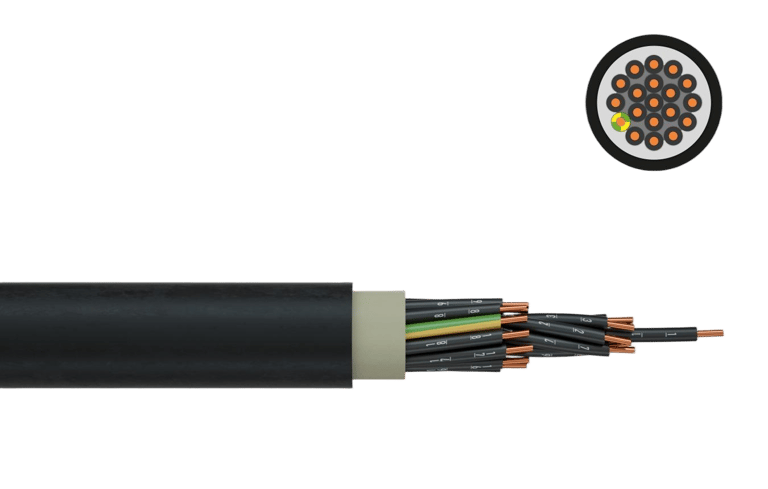
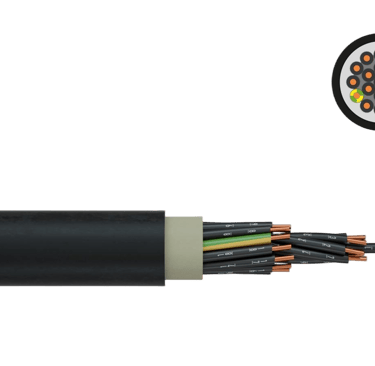
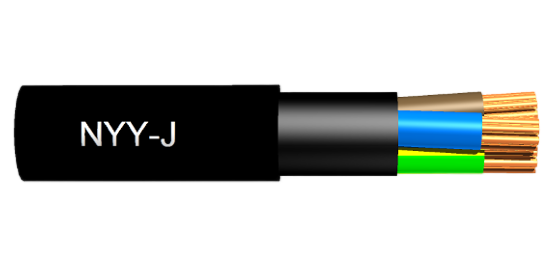
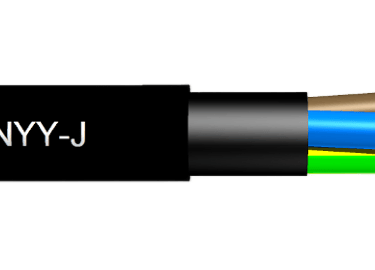
NYY cables represent one of the most widely deployed low-voltage solutions for power distribution across African residential and commercial sectors. These PVC insulated cables feature a robust construction with polyvinyl chloride insulation and an additional PVC outer sheath, providing dual-layer protection against environmental factors.
Designed for fixed installations, NYY cables operate at a rated voltage of 0.6/1 kV, making them ideal for final distribution circuits in buildings, street lighting systems, and local power networks. Their weather-resistant properties enable both indoor and outdoor installations, while their flame-retardant characteristics meet stringent safety requirements for occupied spaces.
Common Installation Scenarios:
Multi-story residential complexes requiring vertical cable runs
Commercial shopping centers with extensive lighting circuits
Underground installations when placed within protective conduits
Industrial facilities for control and auxiliary power systems
Why are NYY cables preferred for African residential projects? The answer lies in their cost-effectiveness, ease of installation, and maintenance accessibility. Electrical contractors appreciate their flexibility during installation, while building managers value their long-term reliability and simple repair procedures. Compliance with IEC 60502-1 ensures these cables meet international safety benchmarks.
Understanding Low-Voltage Power Distribution
Medium and High-Voltage Transmission Solutions
XLPE Cross-Linked Polyethylene Cables for Power Transmission
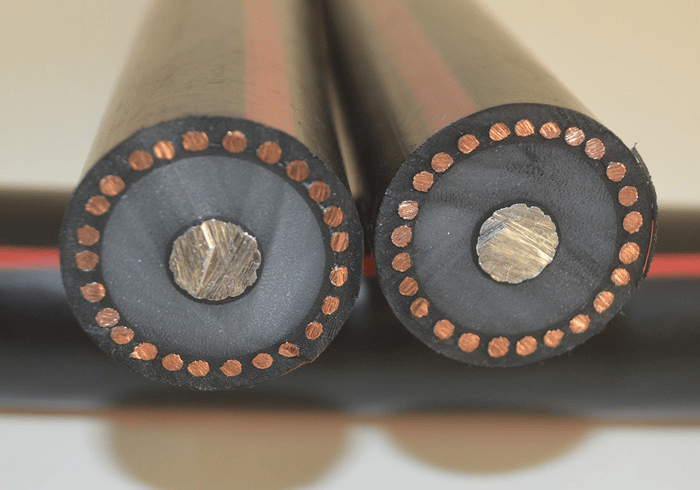
Cross-linked polyethylene cables represent a significant technological advancement in medium and high-voltage power distribution. The cross-linking process creates a three-dimensional molecular structure that dramatically enhances the insulation's thermal, mechanical, and electrical properties compared to conventional thermoplastic materials.
XLPE cables serve as the backbone of utility grids and substations throughout Africa, handling voltages from 6 kV up to 33 kV and beyond. Their superior performance characteristics include exceptional resistance to high temperatures—operating continuously at conductor temperatures up to 90°C—and outstanding moisture resistance, critical in humid coastal regions and areas with seasonal flooding.
Strategic Applications:
Primary distribution networks connecting substations to local transformers
Industrial power distribution for manufacturing facilities and mining operations
Renewable energy systems, particularly wind farms and large-scale solar installations
Underground power distribution in urban centers
The cross-linked polyethylene insulation provides a longer service life compared to PVC-insulated cables, often exceeding 30 years under proper operating conditions. This extended lifespan reduces replacement costs and minimizes service disruptions, particularly important in remote areas where maintenance access is challenging.
What makes XLPE cables superior for utility applications? Their ability to operate at higher temperatures without degradation allows for increased current-carrying capacity in the same cable size, reducing installation costs. Additionally, their excellent dielectric properties minimize power losses during transmission, improving overall system efficiency. Compliance with IEC 60502-2 ensures consistent quality across international suppliers.
High-Voltage Cables for Long-Distance Transmission
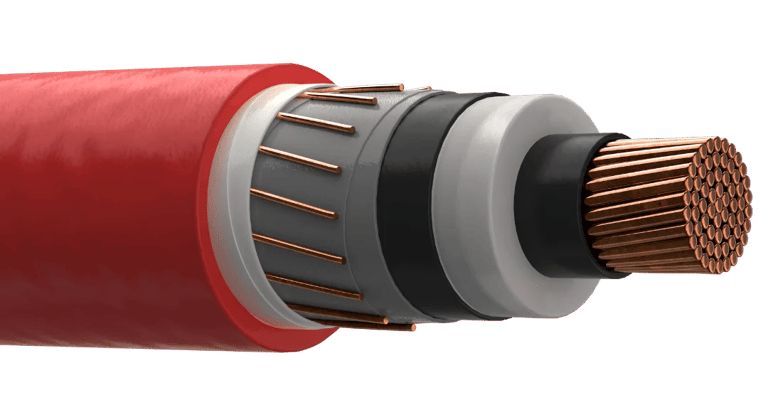
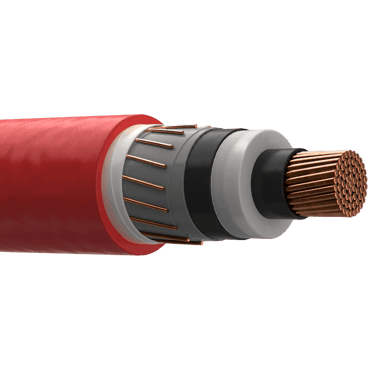
High-voltage cables designed for electricity transmission over long distances incorporate advanced shielding technologies and XLPE insulation systems. These cables typically operate at voltages above 35 kV, with some installations reaching 132 kV or higher for major transmission corridors.
The construction includes metallic shielding layers that reduce electromagnetic interference and ensure uniform electric field distribution within the insulation. Moisture barriers prevent water ingress, which could compromise insulation integrity over time. These features are essential for substations and industrial power distribution networks serving energy-intensive operations like aluminum smelters, cement plants, and large mining complexes.
Conformance to IEC 60840 guarantees these cables meet rigorous performance standards for partial discharge, impulse withstand, and long-term thermal stability.
Overhead Transmission and Distribution Infrastructure
ACSR Aluminum Conductor Steel Reinforced Overhead Lines
ACSR cables constitute the primary solution for overhead transmission and distribution lines across Africa's vast territories. Their ingenious design combines the excellent conductivity of aluminum with the mechanical strength of a steel core, creating a cable that balances electrical performance with structural integrity.
The construction typically features a central core of galvanized steel wires surrounded by multiple layers of aluminum strands. This configuration provides the mechanical strength necessary to span long distances between transmission towers while maintaining sufficient conductivity for efficient power transmission. The aluminum component offers natural corrosion resistance through the formation of a protective oxide layer, essential in coastal environments with salt-laden air.
Key Deployment Areas:
Long-distance transmission lines connecting power generation facilities to urban load centers
Rural electrification projects extending grid access to remote communities
Distribution networks in semi-urban areas where underground installation is not economically feasible
Emergency power restoration following natural disasters, where quick deployment is critical
How do ACSR cables remain cost-effective despite Africa's challenging conditions? Their lightweight design reduces support structure requirements, lowering total installation costs. The combination of materials provides an optimal strength-to-weight ratio, allowing longer spans between towers and reducing infrastructure investment. Maintenance requirements remain minimal due to the cables' inherent corrosion resistance and mechanical durability.
Compliance with IEC 61089 ensures consistent conductor dimensions and performance characteristics across different manufacturers, facilitating standardized design and procurement processes.
Overhead Service Drop Cables for Residential Electrification
Overhead service drop cables provide the crucial final connection between utility distribution lines and individual residential or commercial buildings. These cables are specifically engineered for exposed outdoor conditions, incorporating UV-resistant compounds and weather-resistant insulation that withstand years of direct sunlight exposure.
Available in both single-phase configurations for residential connections and three-phase arrangements for commercial and light industrial applications, these cables often feature self-supporting designs that eliminate the need for separate messenger wires. This simplifies installation and reduces material costs, particularly important in large-scale electrification programs.
The cables' design addresses a common question: How can service connections remain reliable despite constant environmental exposure? The answer involves specialized insulation compounds that resist thermal cycling from day-night temperature variations, UV stabilizers that prevent degradation from solar radiation, and mechanical properties that accommodate wind-induced movement without fatigue failure.
Adherence to IEC 60189 ensures these cables provide safe, reliable service connections across diverse climatic zones.
Specialized Industrial and Construction Applications
Armored Cables for Underground Power Distribution
Armored cables offer essential mechanical protection for underground power distribution networks and industrial installations exposed to physical stress. The armor typically consists of galvanized steel tape or steel wire, providing a robust barrier against mechanical impact, rodent damage, and crushing forces from soil settlement.
These cables find extensive application in:
Underground distribution networks in urban areas with limited surface space
Industrial facilities with heavy vehicle traffic or material handling equipment
Mining operations where cables face rock fall risks and heavy equipment movement
Oil and gas installations requiring both mechanical protection and chemical resistance
The armor design varies based on application requirements. Steel tape armor provides excellent protection against vertical crushing forces, making it ideal for direct burial installations. Steel wire armor offers superior flexibility and resistance to tensile stresses, preferred for installations in cable trays or where the cable must navigate complex routes.
What challenges do armored cables solve in African industrial settings? Beyond mechanical protection, the armor provides an effective ground path, enhancing personnel safety in fault conditions. The flame-retardant properties of modern armored cable designs prevent fire propagation in industrial environments where flammable materials may be present.
These cables accommodate voltage ranges from low-voltage applications (up to 1 kV) to medium-voltage systems (up to 35 kV), with construction specifications detailed in IEC 60502-1 and IEC 60502-2.
Flexible Cables for Construction Sites and Temporary Power
Flexible cables, exemplified by the H07RN-F type designation, serve temporary and portable power applications requiring frequent movement and handling. The rubber insulation and sheathing materials provide exceptional flexibility even in cold temperatures, while maintaining resistance to oil, abrasion, and flame exposure.
Construction sites across Africa rely on these cables for temporary distribution panels, portable lighting towers, and power tools. Industrial operations use them for mobile equipment, while mining operations depend on their durability in harsh conditions. The cables operate reliably across temperature ranges from -25°C to +60°C, accommodating Africa's diverse climatic conditions from high-altitude locations to desert environments.
The flexibility advantage becomes apparent during daily handling—cables that must be repeatedly coiled, dragged across rough surfaces, and subjected to impact require this level of durability. Compliance with IEC 60245 ensures consistent performance across different manufacturers.
High-Temperature Cables for Industrial Furnaces
Specialized high-temperature cables address environments where standard cable insulations would fail. Industrial furnaces, power plants, and oil refineries generate ambient temperatures that can exceed 200°C, requiring insulation materials like silicone rubber, mica tape, or ceramic compounds.
These cables maintain electrical integrity in extreme conditions while resisting degradation from oils, chemicals, and thermal cycling. Applications include:
Furnace wiring in steel mills and aluminum smelters
Instrumentation and control circuits in refinery process units
Emergency systems in power generation facilities
Critical safety circuits that must remain operational during fire conditions
Why can't standard cables serve high-temperature applications? Conventional PVC or standard rubber insulations soften and degrade above 70-90°C, leading to short circuits and potential fires. High-temperature insulation materials maintain their dielectric properties and mechanical integrity at elevated temperatures, ensuring continuous operation and safety.
Specifications detailed in IEC 60092-360 provide design and testing standards for these specialized cables.
Renewable Energy and Modern Communication Infrastructure
Solar Cables for Photovoltaic Systems in Africa
Africa's abundant solar resources have driven rapid growth in photovoltaic installations, from residential rooftop systems to utility-scale solar farms spanning hundreds of hectares. Solar cables specifically designed for these applications address the unique environmental challenges of outdoor PV systems.
These specialized cables incorporate:
UV-stabilized insulation compounds resisting decades of direct sunlight exposure
Halogen-free, flame-retardant materials preventing toxic gas release during fires
Moisture-resistant designs accommodating morning dew and seasonal rainfall
Temperature ratings handling conductor temperatures up to 90°C under maximum solar irradiation
What distinguishes solar cables from standard outdoor cables? Standard outdoor cables may include UV stabilizers, but solar cables must withstand continuous maximum UV exposure for 25-30 years while maintaining electrical performance. The insulation compounds undergo accelerated aging tests simulating decades of exposure, ensuring long-term durability.
Residential solar installations use these cables for DC connections between panels and inverters, while large-scale solar farms deploy thousands of meters for field wiring. The cables' flexibility facilitates installation around panel mounting structures, while their single-core construction with appropriate cross-sectional areas minimizes resistive losses.
Compliance with IEC 62930 ensures solar cables meet stringent performance requirements for outdoor PV applications.
Fiber Optic Communication Cables for African Infrastructure
Africa's digital transformation relies heavily on fiber optic cables delivering high-speed data transmission for telecommunication networks, internet backbone infrastructure, and emerging smart city projects. These cables transmit data using light pulses through glass or plastic fibers, offering bandwidth far exceeding copper-based alternatives.
Fiber optic deployments serve:
Intercontinental submarine cables landing at coastal cities
National backbone networks connecting major urban centers
Metropolitan area networks providing last-mile connectivity
Data centers requiring high-capacity interconnections
The cables' design protects delicate optical fibers from moisture, mechanical stress, and temperature variations. Armored versions provide additional protection for underground installations, while aerial cables incorporate messenger wires for self-supporting overhead deployment.
Coaxial Cables for Broadband Internet Networks Africa
Coaxial cables complement fiber optic infrastructure, particularly for broadband internet distribution within neighborhoods and cable television networks. Their construction provides excellent electromagnetic interference protection through concentric conductor shielding, ensuring signal integrity even in electrically noisy environments.
Modern coaxial cables support data rates sufficient for high-definition video streaming and high-speed internet access, making them cost-effective for residential distribution networks. Their robust construction withstands outdoor installation conditions while maintaining consistent impedance characteristics essential for signal quality.
Standards compliance—IEC 60794 for fiber optic cables and IEC 61196 for coaxial cables—ensures interoperability across telecommunications equipment from different manufacturers.
Safety Standards and Performance Requirements
International standards compliance forms the foundation of cable safety and performance across Africa. IEC standards provide comprehensive specifications covering:
Conductor materials and construction methods
Insulation and sheathing material properties
Voltage ratings and current-carrying capacities
Testing procedures for thermal, mechanical, and electrical performance
Installation guidelines and environmental considerations
Regional guidelines supplement these international standards, addressing specific local conditions such as higher ambient temperatures, altitude effects on corona discharge, and seismic considerations in geologically active areas.
Performance testing protocols verify cables meet specifications before deployment. Type tests validate design compliance, while routine tests on production batches ensure consistent quality. Critical parameters include:
Insulation resistance and high-voltage withstand tests
Conductor resistance measurements
Flame propagation and smoke emission characteristics
Mechanical strength under tensile and impact loading
Aging resistance under accelerated thermal cycling
How do these standards benefit African infrastructure projects? Standardization enables competitive procurement across multiple suppliers, reduces design complexity through proven specifications, and ensures long-term reliability through rigorous testing requirements. Projects spanning multiple countries benefit from consistent specifications, simplifying cross-border power interconnections and regional grid development.


Conclusion
Africa's cable infrastructure encompasses a remarkable diversity of technologies, each engineered to meet specific application requirements across the continent's varied environments and development needs. From NYY PVC insulated cables serving residential distribution to sophisticated XLPE cables handling high-voltage transmission, from ACSR aluminum conductor steel reinforced overhead lines spanning rural landscapes to specialized solar cables enabling renewable energy growth—each cable type contributes essential capabilities to Africa's expanding electrical and communication networks.
The continent's ongoing electrification initiatives, industrial development, and digital transformation continue driving demand for these specialized cables. As Africa's infrastructure expands, the cable industry responds with increasingly sophisticated solutions addressing emerging needs: smart grid technologies requiring advanced communication capabilities, renewable energy integration demanding flexible interconnection solutions, and urban densification requiring compact, high-capacity cable designs.
Success in deploying this infrastructure depends on continued adherence to international standards, particularly IEC specifications, while adapting to regional requirements and local conditions. The result is a robust, safe, and efficient cable infrastructure supporting Africa's economic development and improving quality of life for millions across the continent.
Whether connecting remote villages to the electrical grid, enabling high-speed internet access in urban centers, or facilitating industrial growth through reliable power distribution, the diverse array of cable types used throughout Africa forms the invisible foundation of modern infrastructure. As the continent continues its dynamic growth trajectory, these essential components will remain critical to realizing Africa's development aspirations.
How to Reach Us
Get in Touch
SiteMap
Product Catalogue
Festoon Cable
Shore Power Cable



Scan to add us on WeChat