
Common Cable Types Used in Brazil: A Comprehensive Guide to Brazilian Electrical Standards
Explore the most common cable types used in Brazil, including PVC, XLPE, armored, solar, and fiber optic cables. Learn about ABNT and NBR standards, applications, features, and specifications for residential, commercial, and industrial electrical installations in Brazil.
hongjing.Wang@Feichun
12/11/202510 min read
Brazil's rapidly expanding infrastructure has positioned the country as one of South America's largest markets for electrical cables and conductors. From residential developments in São Paulo to industrial facilities in the Amazon region, the Brazilian cable industry must address diverse challenges including tropical humidity, intense UV radiation, and demanding industrial applications. Understanding the common cable types used in Brazil is essential for engineers, contractors, and project managers working within this dynamic market.
Introduction to Brazil's Cable Industry and Infrastructure
The foundation of Brazil's electrical safety and performance standards rests primarily with ABNT (Associação Brasileira de Normas Técnicas), the Brazilian Association of Technical Standards. These ABNT standards work in conjunction with IEC (International Electrotechnical Commission) guidelines and NBR (Norma Brasileira) specifications to ensure that electrical cables Brazil-wide meet rigorous safety and performance criteria. This regulatory framework addresses everything from conductor sizing to insulation materials, making compliance non-negotiable for any electrical installation.
What makes the Brazilian market unique? The country's environmental conditions demand cables capable of withstanding extreme heat, high humidity levels, and prolonged UV exposure. Additionally, Brazil's push toward renewable energy integration and smart city infrastructure has accelerated demand for specialized cable solutions. Whether you're specifying cables for a residential project or designing a solar farm, understanding Brazilian electrical cable standards is fundamental to project success.
PVC-Insulated Single-Core Cables: The Foundation of Residential Wiring
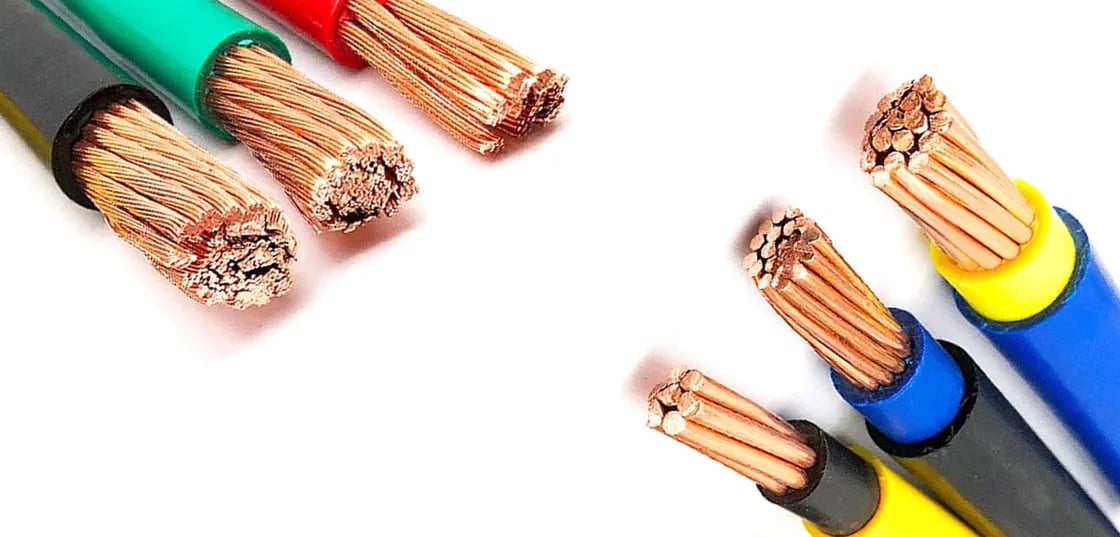
When discussing cable types in Brazil for residential applications, PVC-insulated cables compliant with ABNT NBR NM 247-3 represent the most widely deployed solution. These single-core conductors serve as the backbone of Brazilian electrical installations, found in virtually every home, apartment, and commercial building across the nation.
PVC-insulated cables for residential use typically operate at voltage ratings of 450/750V, making them suitable for general-purpose wiring applications. The polyvinyl chloride insulation provides several critical advantages: inherent flame-retardant properties that prevent fire propagation, excellent electrical insulation characteristics, and cost-effectiveness that makes these cables accessible for widespread deployment. Color-coded insulation allows electricians to quickly identify circuit functions, with standardized colors indicating phase conductors, neutral lines, and protective earth connections.
Common Application Question: Why do electricians prefer PVC cables for residential installations in Brazil?
The answer lies in the balance between performance and practicality. PVC cables offer sufficient protection for standard household voltages while remaining flexible enough for installation through conduits and wall cavities. Their resistance to moisture and general environmental conditions makes them reliable in Brazil's humid coastal regions and drier interior areas alike. Additionally, the widespread availability and competitive pricing of PVC-insulated cables conforming to NBR NM 247-3 standards ensure that residential projects can maintain budget constraints without compromising safety.
These cables find application in lighting circuits, power outlets, fixed appliance connections, and control panels throughout residential and light commercial buildings. The flame-retardant properties become particularly important in multi-unit residential structures where fire safety is paramount.
Industrial Control and Instrumentation Cables: Precision in Process Automation
Industrial facilities across Brazil rely heavily on specialized control and instrumentation cables (Cabo de Controle e Instrumentação) that meet ABNT NBR 13248 standards. These cables serve critical functions in process automation systems, where signal integrity can mean the difference between efficient operation and costly downtime.
The defining characteristic of these industrial cables is their shielding construction, typically featuring aluminum foil or braided copper shields that protect sensitive control signals from electromagnetic interference (EMI). In environments where variable frequency drives, large motors, and switching equipment generate electrical noise, this shielding becomes essential for maintaining accurate communication between sensors, controllers, and actuated equipment.
Beyond EMI protection, industrial control cables manufactured for the Brazilian market incorporate features addressing the harsh conditions found in factories, refineries, and processing plants. Oil and chemical resistance prevents degradation when cables are exposed to hydraulic fluids, lubricants, or process chemicals. Enhanced mechanical strength allows these cables to withstand the physical stresses of industrial environments, including vibration, impact, and repetitive flexing.
Troubleshooting Question: What causes signal errors in industrial automation systems?
Insufficient shielding or damaged cable insulation ranks among the most common culprits. When control signals become corrupted by electromagnetic interference, automated systems may exhibit erratic behavior, false sensor readings, or communication failures between controllers and field devices. Specifying properly shielded cables conforming to ABNT NBR 13248 and ensuring proper grounding practices prevents the majority of these issues. Regular inspection for physical damage, particularly in high-traffic areas or locations subject to mechanical stress, helps maintain signal integrity throughout the cable's service life.
Flexible Cables for Portable and Temporary Applications
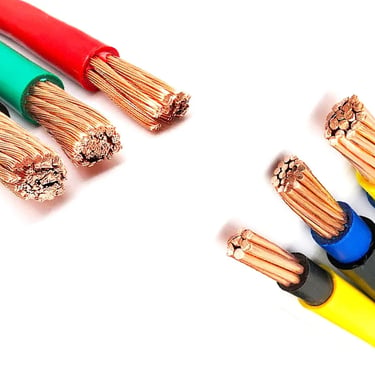
Construction sites, maintenance operations, and portable equipment throughout Brazil depend on flexible cables (Cabo Flexível) that conform to ABNT NBR 13249 standards. These cables differ fundamentally from fixed installation cables through their construction: finely stranded conductors and flexible insulation materials allow repeated bending and movement without conductor fatigue or insulation cracking.
Flexible cables for temporary installations serve power tools, portable lighting, extension cords, and mobile equipment. The insulation materials, whether PVC or rubber compounds, must balance flexibility with protection. Abrasion resistance becomes critical when cables are dragged across rough surfaces or exposed to construction site conditions. Similarly, the flame-retardant properties prevent cables from becoming ignition sources or spreading fire.
Voltage ratings of 450/750V make these cables suitable for most portable electrical equipment used in Brazilian construction and industrial maintenance. The flexibility doesn't compromise safety; properly manufactured flexible cables meeting NBR standards provide the same level of electrical protection as rigid installation cables while accommodating the dynamic requirements of portable use.
Safety Question: How often should flexible cables used on construction sites be inspected?
Daily visual inspection represents the minimum standard for construction site cables. Look for cuts, abrasions, exposed conductors, or damaged plugs and connectors. Any cable showing visible damage should be immediately removed from service. The repetitive flexing and harsh conditions of construction environments accelerate wear compared to fixed installations, making regular inspection and timely replacement essential for worker safety. Many Brazilian construction companies implement formal cable testing protocols using portable appliance testers to verify earth continuity and insulation resistance at regular intervals.
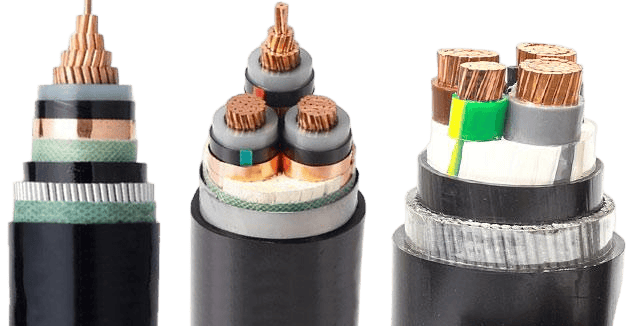
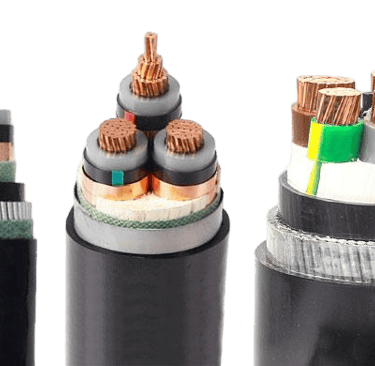
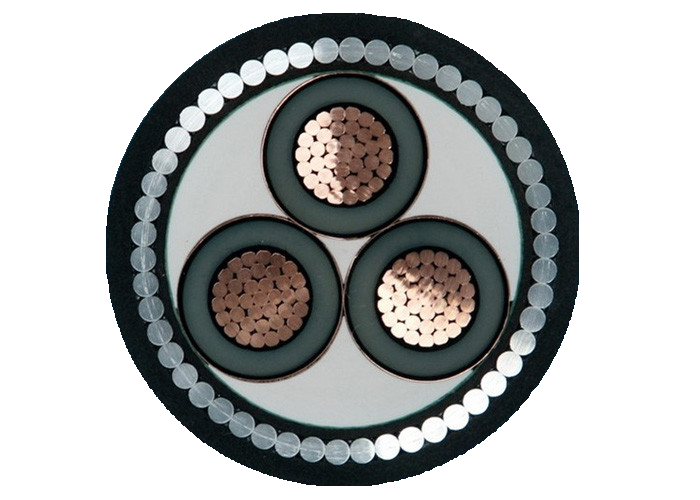
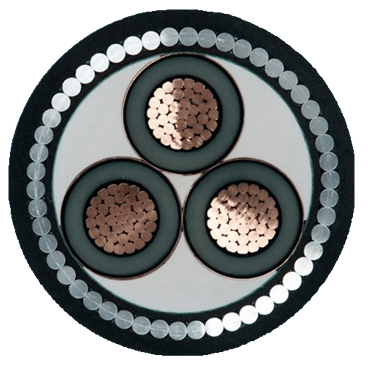
When electrical installations face mechanical threats, environmental extremes, or require direct burial, armored cables (Cabo Blindado) become the solution of choice. These cables, manufactured according to ABNT NBR 7229 standards, incorporate a steel or aluminum armor layer that provides exceptional mechanical protection while maintaining electrical performance.
The armor construction serves multiple functions simultaneously. Steel wire armor (SWA) or steel tape armor (STA) protects cables from impact, crushing forces, and damage from digging or excavation. This makes armored cables for underground power distribution the preferred choice throughout Brazil's urban infrastructure. When cables must traverse areas with vehicle traffic, cross under roadways, or run through industrial yards where heavy equipment operates, the armor layer prevents catastrophic cable failure.
Industrial facilities including oil refineries, chemical plants, and mining operations specify armored cables for both underground and above-ground installations where mechanical protection is essential. The armor also provides an inherent level of electromagnetic shielding, though this is a secondary benefit compared to mechanical protection. In mining operations, where cables may be exposed to blasting, heavy machinery, and harsh conditions, armored cables meeting ABNT standards provide reliability that directly impacts operational safety and productivity.
Beyond mechanical protection, armored cables offer moisture resistance through their construction, with the armor layer and underlying bedding providing multiple barriers against water ingress. This becomes particularly valuable in Brazil's humid regions and in applications involving direct burial or exposure to weather.
XLPE-Insulated Cables: Superior Performance for Medium Voltage
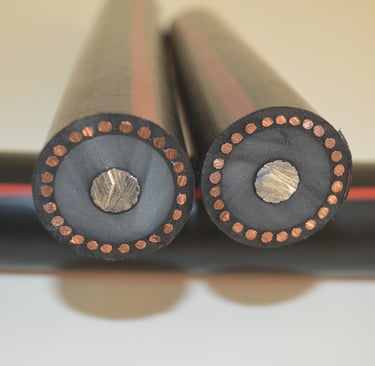
Cross-linked polyethylene (XLPE) insulation has revolutionized medium-voltage power distribution in Brazil, offering performance characteristics that surpass traditional PVC-insulated alternatives. XLPE cables for medium-voltage distribution conforming to ABNT NBR 7286 standards serve as the preferred solution for utility distribution networks, industrial power systems, and renewable energy installations.
The cross-linking process creates molecular bonds within the polyethylene that dramatically enhance thermal performance. While PVC-insulated cables are limited to operating temperatures around 70°C, XLPE insulation allows continuous operation at 90°C with emergency overload capacity up to 130°C. This increased thermal capacity translates directly into higher current-carrying capacity for a given conductor size, allowing more compact installations or increased power transmission through existing cable routes.
Resistance to heat, moisture, and chemicals makes XLPE insulation ideal for underground installations where cables remain in service for decades. The material's electrical properties remain stable across temperature variations, maintaining insulation resistance and dielectric strength throughout the cable's service life. For renewable energy systems including solar and wind installations across Brazil, XLPE cables provide the reliability and longevity required for these critical infrastructure investments.
Medium-voltage ratings extending up to 35 kV make XLPE-insulated cables suitable for utility distribution feeders, industrial plant power distribution, and connections between substations. The improved electrical properties reduce dielectric losses, contributing to overall system efficiency—an important consideration as Brazil pursues energy efficiency and sustainability goals.
Solar Cables: Engineered for Brazil's Photovoltaic Revolution
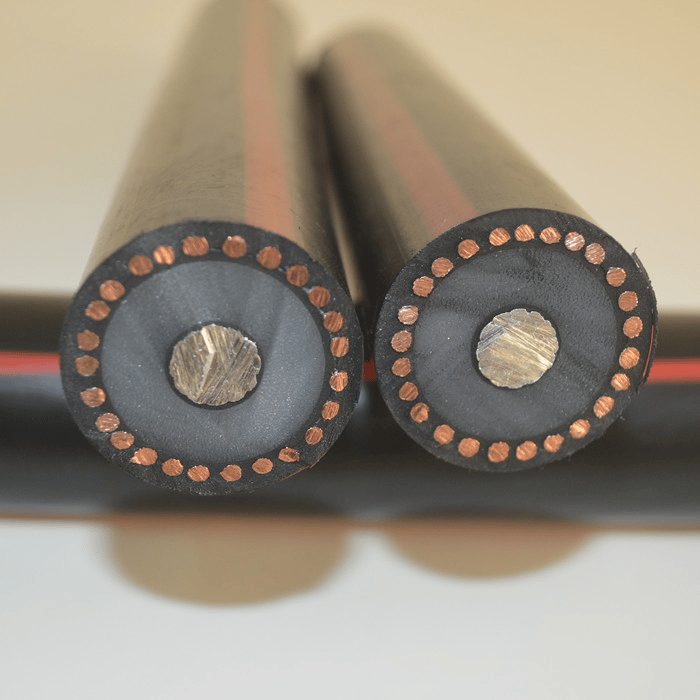
Brazil's abundant solar resources and commitment to renewable energy have driven rapid growth in photovoltaic installations nationwide. This expansion demands specialized solar cables for photovoltaic systems that address the unique environmental challenges of outdoor, rooftop, and ground-mounted solar arrays. ABNT NBR 16612 establishes the standards for these purpose-built cables.
Solar cables face extraordinary environmental stress. Continuous exposure to intense UV radiation, temperature extremes ranging from cool nights to midday heat exceeding 70°C at the cable surface, and tropical weather including heavy rain and humidity create demanding conditions. Brazilian cable manufacturers respond with specialized compounds that resist UV degradation, maintain flexibility across temperature extremes, and provide moisture resistance essential for 25-year-plus service life expectations.
The halogen-free and flame-retardant properties of quality solar cables address fire safety concerns while minimizing toxic smoke production in the unlikely event of fire. Single-core construction with tinned copper conductors resists corrosion in humid environments, while specialized insulation compounds maintain electrical properties throughout the cable's service life.
Installation Question: What cable sizing considerations are unique to solar installations in Brazil?
Solar cable sizing must account for several factors beyond simple current capacity. High ambient temperatures reduce cable current-carrying capacity, requiring derating calculations based on rooftop or rack mounting conditions. Additionally, voltage drop calculations become critical in large arrays where cables may run considerable distances from panels to inverters. Brazilian installation standards require careful calculation of both temperature effects and voltage drop to ensure system efficiency. The DC nature of solar installations also means that cables must handle continuous current without the cooling periods that AC systems experience, further influencing sizing decisions.
Coaxial Cables: Telecommunications and Signal Transmission
Despite the growth of fiber optic technology, coaxial cables remain essential throughout Brazil for cable television, broadband internet, CCTV security systems, and antenna connections. ABNT NBR 14790 standards govern these cables, ensuring consistent performance across telecommunications applications.
The coaxial construction—central conductor, dielectric insulation, braided shield, and outer jacket—provides excellent shielding against signal interference while delivering efficient signal transmission. For cable TV and broadband internet infrastructure, the shielding effectiveness directly impacts signal quality and data transmission reliability. Weather-resistant outer jackets allow outdoor installation, essential for distribution networks connecting service providers to residential and commercial customers.
Security systems including CCTV installations rely on coaxial cables to transmit video signals from cameras to recording equipment. The high signal transmission efficiency maintains video quality over the cable runs typical in commercial security installations, while the shielding prevents interference from nearby electrical equipment.
Fiber Optic Cables: High-Speed Infrastructure for Digital Brazil
As Brazil advances its digital infrastructure, fiber optic cables conforming to ABNT NBR 14763 standards form the backbone of telecommunications networks, data centers, and smart city projects. These cables transmit data as light pulses through glass or plastic fibers, offering bandwidth and transmission distance impossible with copper conductors.
The immunity to electromagnetic interference represents a fundamental advantage in environments where electrical noise would corrupt copper signals. This makes fiber optic cables for telecommunications essential in industrial areas, along power transmission corridors, or anywhere EMI poses challenges. Long-distance data transmission without signal repeaters reduces infrastructure complexity while maintaining signal integrity across kilometers.
Brazil's smart city initiatives depend heavily on fiber optic infrastructure to connect sensors, traffic management systems, public safety networks, and municipal services. The high bandwidth supports multiple services simultaneously, while the physical security advantages—fiber cables don't radiate electromagnetic signals—protect sensitive data transmissions.
Telecommunications networks increasingly rely on fiber optic technology for internet backbones and data centers where massive data volumes require the capacity only optical transmission can provide. The lightweight construction compared to copper cables simplifies installation, while the corrosion resistance ensures long service life even in Brazil's coastal regions where salt air accelerates copper degradation.
Overhead Conductors: Powering Brazil's Utility Grid
Power transmission and distribution across Brazil's vast geography rely heavily on overhead conductors including AAC (All Aluminum Conductor) and ACSR (Aluminum Conductor Steel Reinforced) types conforming to ABNT NBR 8182 standards. These conductors represent cost-effective solutions for utility power grids and rural electrification programs extending service to remote areas.
AAC conductors offer lightweight construction and excellent corrosion resistance, making them suitable for moderate-span applications in low-corrosion environments. ACSR conductors incorporate a steel core that provides mechanical strength for long spans, allowing fewer support structures and reduced installation costs across Brazil's vast distances.
The electrification of rural and remote areas presents unique challenges where overhead construction often proves more economical than underground installation. The conductor's tensile strength allows spans across rivers, valleys, and challenging terrain that would prove difficult or impossible for underground cables. In coastal regions, aluminum's natural corrosion resistance extends conductor service life despite salt air exposure.
High-Voltage Cables: Industrial Power Transmission
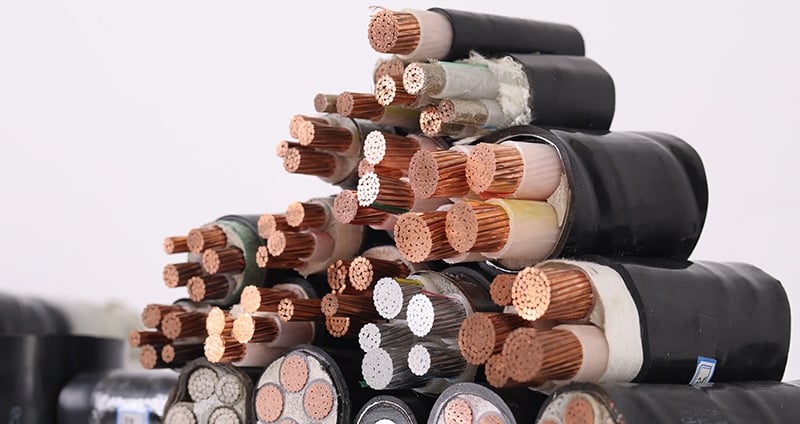
Large industrial plants, utility substations, and power transmission infrastructure require high-voltage cables (Cabo de Alta Tensão) meeting ABNT NBR 6166 standards. These cables transmit power across long distances and supply industrial-scale electrical systems operating at voltages where safety and reliability become paramount.
XLPE insulation technology dominates high-voltage cable design, providing the dielectric strength and thermal capacity essential for reliable operation. Shielding layers ensure electric field control, preventing corona discharge and ensuring worker safety around these cables. The construction must withstand extreme weather conditions, from intense solar heating to tropical storms, while maintaining electrical integrity throughout decades of service.
Utility substations depend on these cables to interconnect transformers, switchgear, and distribution equipment. In industrial plants, high-voltage cables supply large motors, furnaces, and processing equipment that forms the core of manufacturing operations. The reliability of these cables directly impacts industrial productivity and grid stability, making proper specification, installation, and maintenance essential.
Conclusion: Standards-Driven Excellence in Brazilian Cable Infrastructure
Brazil's cable industry demonstrates how rigorous standards and environmental awareness create infrastructure that meets the demands of modern development. From PVC-insulated cables in residential homes to fiber optic networks enabling digital transformation, each cable type serves specific needs while conforming to ABNT and NBR standards that ensure safety and performance.
The diversity of Brazilian cables reflects the country's varied applications: armored cables protecting against mechanical damage in mines, solar cables withstanding tropical UV exposure, and XLPE-insulated conductors delivering efficient medium-voltage power. As Brazil continues expanding renewable energy capacity, enhancing digital infrastructure, and modernizing industrial facilities, the demand for specialized, high-quality cables will accelerate.
Understanding which cables suit specific applications requires knowledge of both technical specifications and environmental conditions. Whether you're an engineer specifying cables for a new project, a contractor installing electrical systems, or a facility manager maintaining existing infrastructure, compliance with Brazilian electrical cable standards ensures installations that deliver safe, reliable performance for years to come. The cable industry's commitment to meeting these standards positions Brazil for continued infrastructure growth and technological advancement.
How to Reach Us
Get in Touch
SiteMap
Product Catalogue
Festoon Cable
Shore Power Cable




Scan to add us on WeChat