

Common Cable Types Used in Russia: VVG, NYM, KG & GOST Standards Guide
Explore Russia's common cable types including VVG, NYM, KG, and SIP cables. Learn about GOST standards, applications, and specifications for electrical installations.
hongjing.Wang@Feichun
12/12/20257 min read
Russia's electrical infrastructure operates under a unique framework of technical standards that reflect the country's demanding climate conditions and diverse industrial requirements. The foundation of these standards lies in GOST (State Standards of the Russian Federation), a comprehensive system that governs everything from residential wiring to high-voltage industrial installations. Additionally, the Technical Regulations of the Customs Union (TR TS) ensure consistency across member states, creating a unified approach to electrical safety and performance.
Understanding Russian electrical cable standards is essential for anyone involved in construction, electrical installations, or infrastructure projects within the country. These specialized cable types have evolved to withstand temperature extremes ranging from -60°C in Siberian winters to +50°C in southern regions, while maintaining reliable performance across residential, commercial, and industrial applications.
Residential and Commercial Cable Solutions
VVG Cable: The Workhorse of Russian Installations
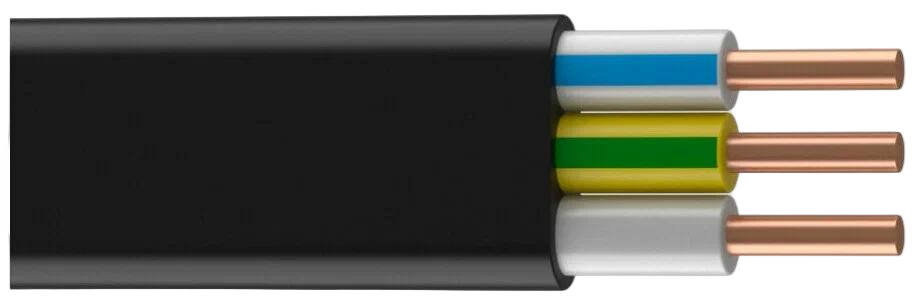
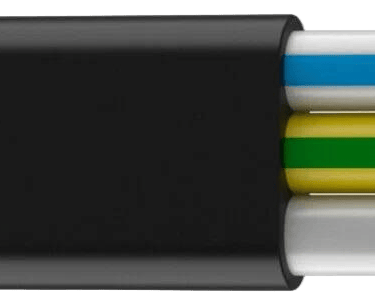
VVG cable specifications and applications make it the most prevalent choice for general electrical installations throughout Russia. This PVC-insulated flexible cable features copper conductors enclosed in flame-retardant polyvinyl chloride insulation and sheathing. The designation "VVG" derives from the Russian abbreviation indicating its vinyl (PVC) insulation and vinyl sheath construction.
Designed for voltage ratings between 660V and 1,000V, VVG cables serve as the primary solution for residential and commercial power distribution. They're commonly installed in walls, ceilings, and floors for fixed electrical systems. The cable's flame-retardant properties provide crucial safety benefits, though it requires additional protective measures when used for underground installations.
Common Question: Can VVG cables be buried directly underground?
No, VVG cables should not be directly buried without proper protection. While they perform excellently in indoor and outdoor fixed installations, direct burial requires additional mechanical protection through conduits or ducts. For underground power transmission cables, armored alternatives like VBBShv are more appropriate choices.
GOST 31996-2012 cable specifications govern VVG cable manufacturing, ensuring consistent quality and safety standards across all producers. This standardization has made VVG cables the default choice for electricians and contractors working on residential projects.
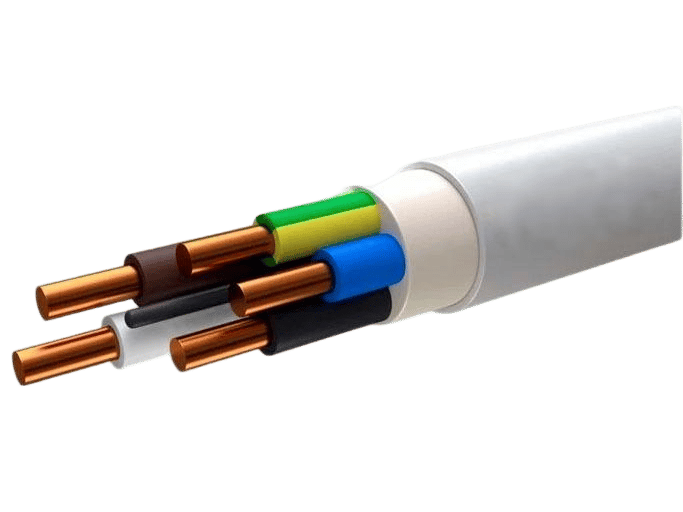
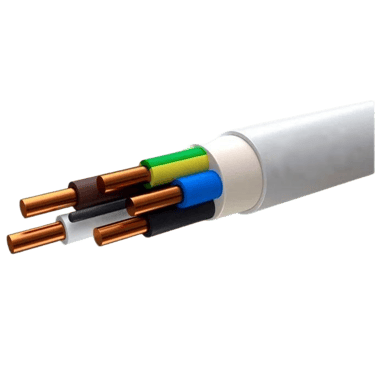
NYM cable GOST standards Russia recognizes this versatile conductor as ideal for building installations requiring enhanced safety. The double insulation design—copper conductors with individual PVC insulation plus an additional outer PVC sheath—provides superior protection against electrical faults.
Rated for 450/750V operation, NYM cables excel in indoor electrical wiring for homes and offices. Their construction makes them suitable for both dry and damp environments, though they're primarily specified for indoor applications. The ease of installation and stripping makes NYM cables particularly popular among electrical contractors, reducing installation time while maintaining high safety standards.
Compliance with GOST 22483-77 ensures that NYM cables meet rigorous testing requirements for insulation resistance, voltage withstand capability, and mechanical durability.
NYM Cable: Universal Low-Voltage Solution
AVVG Cable: Aluminum Core Alternative
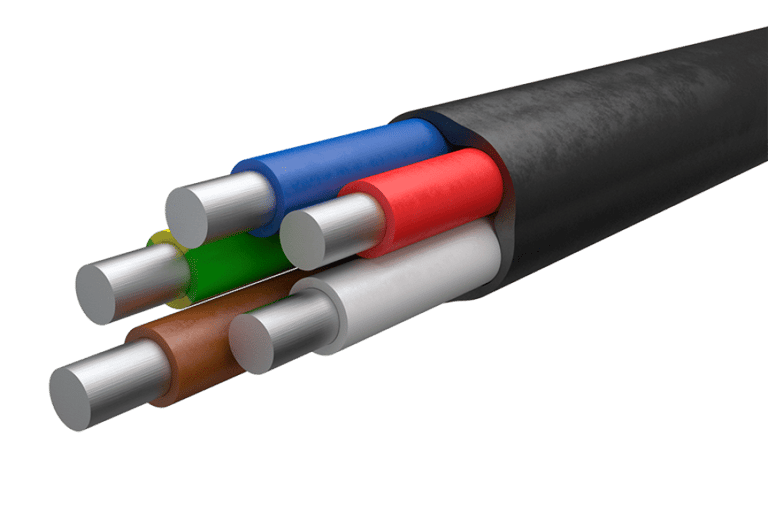
Aluminum core AVVG cables present a cost-effective alternative to copper-based VVG cables. The lightweight design offers significant advantages for large-scale residential and industrial installations where reducing overall weight matters. While aluminum conductors have higher resistance than copper, AVVG cables remain economical for applications where the slightly reduced conductivity is acceptable.
The flame-retardant PVC insulation provides the same safety benefits as VVG cables, with voltage specifications matching the 660V to 1,000V range. This makes AVVG cables suitable for power distribution in fixed installations across walls, ceilings, and floors.
Common Question: When should I choose AVVG over VVG cables?
Select AVVG cables when budget constraints are significant and the installation doesn't require the superior conductivity of copper. AVVG cables work well for longer runs in residential buildings where the cost savings offset the need for slightly larger conductor sizes. However, for critical industrial applications or where maximum efficiency is required, VVG cables with copper conductors remain the better choice.
Industrial and Specialized Cable Applications
KG Flexible Rubber Cables
KG flexible rubber cables represent the solution for portable electrical equipment and temporary installations. The rubber insulation provides exceptional flexibility, essential for construction site applications where cables must withstand repeated movement and mechanical stress.
Operating across an impressive temperature range from -60°C to +50°C, KG cables maintain their flexibility even in harsh environment cable protection scenarios. Temporary construction site cables of this type power portable machinery, welding equipment, and tools that require frequent repositioning.
GOST 24953-81 standards ensure that KG cables meet stringent requirements for flexibility, mechanical resistance, and electrical safety. The rubber insulation resists oil, chemicals, and abrasion—critical properties for industrial environments.
RKGM Heat-Resistant Cables
Heat-resistant RKGM cables address the specialized needs of high-temperature industrial installations. Featuring silicone rubber insulation reinforced with fiberglass braid, these cables operate reliably from -60°C to +180°C, making them indispensable for industrial furnaces, heating systems, and high-temperature manufacturing zones.
The oil and chemical resistance of RKGM cables, combined with their superior electrical insulation properties, makes them ideal for demanding industrial applications. GOST 6323-79 compliance ensures these cables maintain performance under extreme conditions where standard PVC-insulated flexible cables Russia would fail.
Control Cables for Automation
Control cables KVV KVP Russia serve critical functions in industrial automation and signal transmission systems. These specialized conductors transmit control signals between machinery, instrumentation, and automation systems in factories and power plants.
The availability of shielded versions provides electromagnetic shielding against interference, essential for maintaining signal integrity in electrically noisy industrial environments. GOST 1508-78 standards govern their construction, ensuring reliable performance in automation systems where signal accuracy is paramount.


Overhead Power Distribution Systems
SIP Self-Supporting Insulated Wire
SIP self-supporting insulated wire revolutionized overhead power distribution cables throughout Russia. These cables consist of insulated aluminum conductors bundled with a steel support wire, creating a self-supporting structure that eliminates the need for separate messenger wires.
The weather-resistant design withstands Russia's extreme climate variations, from freezing winters to hot summers. This makes SIP cables the preferred solution for overhead line construction connecting utility distribution systems to residential and commercial buildings. The ease of installation and reduced maintenance requirements compared to traditional bare conductor systems have driven widespread adoption.
GOST R 52373-2005 standards specify the construction, testing, and performance requirements for SIP cables, ensuring they meet the demanding requirements of overhead power distribution.
High-Voltage Transmission Cables
High-voltage cables GOST standards govern the conductors that transmit electricity over long distances and distribute power in large industrial facilities. These cables typically feature cross-linked polyethylene (XLPE) insulation, which provides superior high-temperature resistance, durability, and electrical properties compared to traditional PVC insulation.
Shielding layers ensure safety and reliability while protecting against moisture and chemical exposure. GOST R 55025-2013 standards establish the stringent requirements these cables must meet for industrial power distribution and utility transmission lines.
Common Question: What voltage levels do high-voltage cables in Russia typically handle?
Russian high-voltage cables serve systems ranging from 6 kV for industrial distribution up to 110 kV and beyond for long-distance transmission. The specific cable construction varies based on voltage level, with higher voltages requiring thicker insulation, enhanced shielding, and more robust conductor designs.
Armored and Protective Cable Solutions
VBBShv and AVBBShv Armored Cables
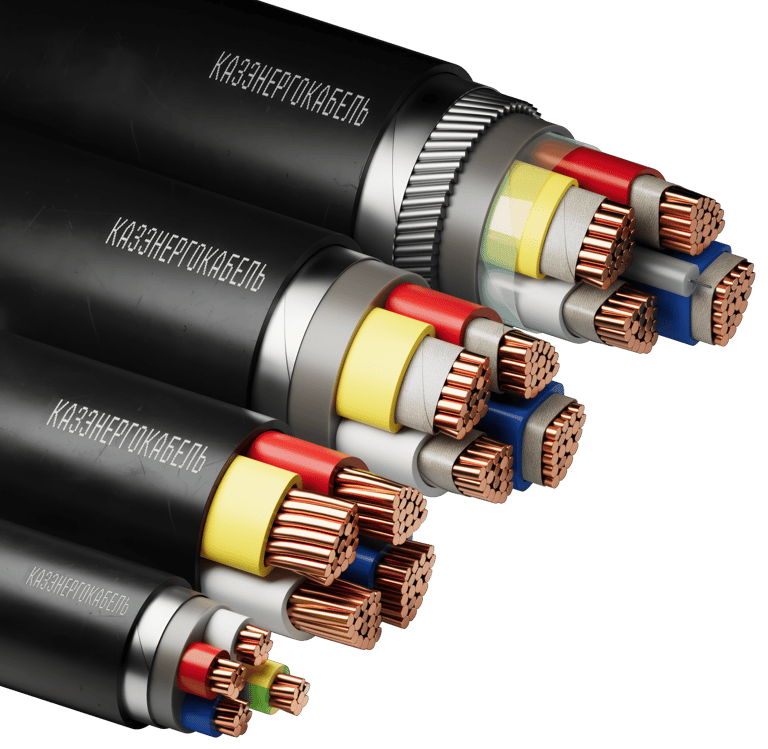
Armored cables Russia VBBShv AVBBShv provide mechanical protection for installations in harsh environments. The VBBShv variant uses copper cores, while AVBBShv employs aluminum conductors, offering cost advantages for large-scale projects.
The steel tape armor protects the conductors from mechanical damage during installation and throughout their operational life. This makes armored cables essential for underground power transmission and heavy industrial applications where cables face potential impact, crushing forces, or rodent damage.
Both types feature flame-retardant PVC sheaths as their outer protective layer and can handle voltages up to 6 kV. GOST R 55025-2013 compliance ensures these cables meet rigorous standards for mechanical protection and electrical performance.
The choice between copper and aluminum cores depends on the specific application requirements and budget considerations, with copper offering better conductivity and aluminum providing weight and cost benefits.
Modern Communication Infrastructure
Fiber Optic Cables Russia
Fiber optic cables Russia GOST standards have evolved to support the country's expanding telecommunications infrastructure. These cables enable high-speed data transmission for internet services, broadband networks, and data centers throughout the country.
The immunity to electromagnetic interference makes fiber optic cables superior to traditional copper-based communication cables in electrically noisy environments. Their high bandwidth and long-distance capabilities support the growing demand for data transmission in both urban and rural areas.
GOST R 53315-2009 standards specify requirements for fiber optic cable construction, including weather-resistant designs for outdoor use. This ensures reliable performance across Russia's diverse climate zones.
Understanding Cable Standards Customs Union TR TS
The Technical Regulations of the Customs Union (TR TS) create unified requirements across member states, facilitating trade and ensuring consistent safety standards. These regulations complement GOST standards, providing an additional layer of certification and testing requirements.
Common Question: How do GOST and TR TS standards relate to each other?
GOST standards provide detailed technical specifications for cable construction and performance, while TR TS establishes safety requirements and certification procedures across the Customs Union. Products must typically meet both GOST technical specifications and TR TS safety requirements for legal sale and installation. This dual-standard system ensures cables meet both performance and safety criteria.
Conclusion
Russian electrical cable standards reflect decades of engineering experience addressing the country's unique challenges. The climate-driven cable specialization has produced robust solutions that perform reliably in extreme temperatures, harsh industrial environments, and demanding infrastructure applications.
From PVC-insulated flexible cables Russia uses in residential construction to specialized industrial cables Russia specifications demand for heavy manufacturing, the diversity of available cable types ensures appropriate solutions for every application. The rigorous durability and performance standards embodied in GOST requirements have created a cable industry known for producing reliable, long-lasting products.
Future trends in the Russian cable industry point toward continued innovation in materials science, enhanced environmental resistance, and improved energy efficiency. As renewable energy installations expand and smart grid technologies develop, cable standards will evolve to meet new technical requirements.
When selecting cables for Russian applications, consider the specific environmental conditions, voltage requirements, mechanical stresses, and regulatory compliance needs. Consulting with qualified electrical engineers and ensuring adherence to applicable GOST and TR TS standards remains essential for safe, reliable electrical installations.
How to Reach Us
Get in Touch
SiteMap
Product Catalogue
Festoon Cable
Shore Power Cable




Scan to add us on WeChat