Complete Guide to Portable Cord Markings: Understanding Electrical Cable Letter Codes & UL Ratings
Learn what portable cord letters mean with our complete guide. Understand SJT, SJOW, SEOW cable codes, voltage ratings, and UL markings for safe electrical usage.
hongjing.Wang@Feichun
12/16/20258 min read
When you examine an electrical extension cord or portable cable, you'll notice a series of letters printed along its jacket—abbreviations like SJT, SJOW, or SEOW. These aren't random combinations; they're a standardized code system that communicates vital information about the cord's voltage rating, insulation materials, and safe applications. Understanding what these portable cord letters mean is essential for anyone selecting cables for residential, commercial, or industrial use.
The Underwriters Laboratories (UL) rating system provides these letter codes to help consumers and professionals identify appropriate cords for specific applications. Using a cord with incorrect specifications can lead to overheating, premature wear, electrical hazards, or equipment damage. This comprehensive guide breaks down each letter designation, explains common combination codes, and provides practical guidance for selecting the right portable electrical cables for your needs.
Decoding Primary Service Classification Letters
The foundation of understanding cable abbreviations begins with recognizing the primary service classifications that indicate a cord's voltage rating and duty level.
S (Service) - Heavy-Duty Portable Cords
The letter "S" designates a severe heavy-duty service cord rated for 600V applications. These cords are built for demanding environments where abrasion resistance and durability are paramount. Heavy-duty service cord ratings are commonly found in industrial settings, construction sites, and commercial workshops where equipment operates at higher voltages (277/480V or 480V systems).
When selecting cords for power tools, machinery, or temporary power distribution in professional settings, S-rated cords provide the robust construction necessary to withstand harsh conditions and frequent use.
J (Junior Service) - Standard Duty Cords
Junior service portable cords carry a "J" designation and are rated for 300V applications. This makes them suitable for standard residential and light commercial use, including systems operating at 120V, 120/208V, 120/240V, 240V, or 277V—but not 277/480V configurations.
The majority of household appliances, consumer power tools, and office equipment fall within the junior service category. Common examples include SJ, SJO, SJOW, and SJT cords, which balance adequate performance with affordability for everyday applications.
T (Thermoplastic & Tinsel) - Material Designations
The letter "T" serves dual purposes depending on its position in the code. When appearing as the first letter (as in TTXOW), it indicates a tinsel cord—specialty cables with extremely flexible conductors made from thin metal foils wrapped around textile cores.
More commonly, "T" appears later in the code sequence to designate thermoplastic jacket materials. Thermoplastic cord jackets provide light-duty protection suitable for consumer-grade portable cords in controlled environments. Examples include SJT, SPT (parallel thermoplastic), and SVT cords typically used with household appliances and indoor tools.
Understanding Insulation & Jacket Material Letters
Beyond service classification, specific letters indicate the materials used in cord construction, which directly affects performance in various environments.
E (Elastomer) - Superior Flexibility
Thermoplastic elastomer cords, designated by "E," represent a significant upgrade from standard thermoplastic materials. These elastomer portable cords for industrial use combine the processing advantages of thermoplastics with the flexibility and resilience of rubber-like materials.
In harsh environments with temperature extremes, frequent flexing, or exposure to chemicals, elastomer jackets maintain their integrity far better than basic thermoplastic materials. The SEOW and SJEOW cord types are popular choices for workshops, outdoor applications, and professional tool use where enhanced durability justifies the higher cost.
O (Oil-Resistant) - Chemical Protection
Oil-resistant electrical cord types use "O" designations to indicate protection against petroleum-based substances and certain chemicals. A single "O" means the outer jacket resists oil damage, while "OO" (double O) indicates both the jacket and conductor insulation are oil-resistant.
This distinction matters significantly in automotive shops, manufacturing facilities, and maintenance applications where cords contact lubricants, hydraulic fluids, or cutting oils. Examples include SEO, STO, SVO (single oil-resistant jacket) and SJOOW, SOOW (oil-resistant insulation and jacket). Understanding oil-resistant electrical cord types prevents premature degradation in contaminated environments.
N (Nylon) - Outer Jacket Material
Nylon jacketed electrical cords incorporate a nylon outer layer that provides exceptional abrasion resistance and durability. This outer jacket material protects the underlying insulation from mechanical damage in high-wear applications.
While less common than thermoplastic or elastomer jackets, nylon-jacketed cords excel in scenarios involving dragging across rough surfaces, contact with sharp edges, or repeated coiling and uncoiling cycles.


Specialized Performance Ratings
Several letter codes indicate specific performance characteristics designed for specialized applications.
H (Heat Resistant) - Temperature Ratings
Heat-resistant cord ratings use "H" to designate 75°C operating temperatures, found in cord types like HSJ, HS, HSO, and HSJO. These heater cords safely deliver power to appliances generating significant heat during operation.
The "HH" designation indicates high heat resistance rated for 90°C, providing even greater thermal protection for demanding applications. Fixture wires marked with "F" also carry 90°C ratings, as seen in European-style cables like H07RN-F.
When selecting cords for space heaters, industrial heating equipment, or enclosed spaces with elevated ambient temperatures, understanding heat-resistant cord ratings 75C vs 90C ensures proper thermal safety margins.
W & WA (Weather Resistant) - Outdoor Protection
Weather-resistant electrical cords for outdoor use carry "W" or "WA" designations indicating UL approval for indoor and outdoor applications. These cords resist moisture, sunlight exposure, and environmental abrasion that would quickly degrade standard indoor cables.
The "W" suffix confirms weather resistance, while "WA" specifically denotes a weather-resistant jacket. Examples include SEOW, SJOW, SEOW-WA, and SJTOW-A cords. For garden tools, outdoor lighting, seasonal decorations, or temporary power in exposed locations, weather-resistant ratings are non-negotiable for safety and longevity.
V (Vacuum Cord) - Lightweight Applications
Vacuum cleaner cord types bear the "V" designation, indicating light-duty portable cords rated at 300 volts. These UL-rated cords are engineered specifically for household vacuum cleaners and portable cleaning equipment where flexibility and light weight are priorities over heavy-duty construction.
Common examples include SVT and SJVT cords, which provide adequate performance for intermittent residential use without the bulk and cost of industrial-grade cables.
RD (Range/Dryer Cord) - High-Current Applications
Range dryer electrical cord specifications use the "RD" designation for specialized cords supplying cooking appliances and laundry equipment. These high-current applications demand robust conductors and appropriate insulation for safe operation at elevated power levels.
Examples include SRD, SRDE, and SROT cords, which are specifically designed and rated for stationary appliances drawing substantial continuous current.
Reading Portable Cord Combination Codes
Understanding individual letters is just the beginning; the real skill lies in decoding multi-letter combinations that describe complete cord specifications.
Common Code Examples Explained
SJT (Service, Junior, Thermoplastic): A standard 300V cord with thermoplastic jacket suitable for indoor consumer use with appliances and light tools.
SJOW (Service, Junior, Oil-resistant, Weather-resistant): A 300V cord with oil-resistant jacket approved for outdoor use, ideal for workshops and outdoor power tools.
SEOW (Service, Elastomer, Oil-resistant, Weather-resistant): A premium 600V cord combining elastomer flexibility, oil resistance, and weather protection for demanding professional applications.
SVT (Service, Vacuum, Thermoplastic): A lightweight 300V cord designed for vacuum cleaners and similar portable household appliances.
The SJOW vs SEOW portable cord differences primarily involve voltage rating (300V vs 600V) and jacket material (standard vs elastomer), with SEOW offering superior performance in harsh industrial environments.
Decoding Multi-Letter Combinations
When reading electrical cord letter codes, the sequence matters. The first letter (S, J, or T) establishes service classification and voltage rating. Subsequent letters describe materials and performance characteristics, typically reading from innermost to outermost layers or from general to specific properties.
The letter "P" indicates parallel construction where conductors lie side-by-side rather than twisted together—these "zip cords" like SPT are common for lamps and light-duty appliances.
Understanding how to read electrical cord letter markings requires recognizing that each letter adds specific information about the cord's construction, capabilities, and safe applications. This systematic approach ensures proper cord selection every time.


Voltage Ratings & Safety Standards
Understanding Voltage Classifications
The 300V vs 600V portable cord applications distinction is fundamental to safe electrical work. Junior service (J) cords rated at 300V safely handle residential voltages (120V, 240V) and light commercial systems (277V) with appropriate safety margins.
Heavy-duty service (S) cords rated at 600V accommodate higher commercial and industrial voltages (480V systems) while maintaining code-required clearances between operating voltage and cord rating.
Using a 300V cord on a 480V circuit creates a dangerous situation where insulation may fail, while using a 600V cord for 120V applications is safe but potentially unnecessary from a cost perspective.
UL Certification & Compliance
UL certified portable electrical cords bear markings indicating they've passed rigorous safety testing by Underwriters Laboratories, an independent safety certification organization. This certification verifies that cords meet established standards for construction quality, material properties, and performance under various conditions.
Always verify UL certification when purchasing cords, as non-certified products may lack adequate safety features despite carrying similar letter codes. The UL mark provides assurance that the cord's actual specifications match its labeling.
Practical Guide to Cord Selection
Residential Applications
For best portable cords for home use, consider the specific application. SPT parallel cords work well for lamps and small appliances. SJT cords serve general-purpose indoor needs like power tools and household equipment. SVT cords are ideal for vacuum cleaners and portable cleaning devices.
When outdoor use is required for holiday lighting, garden tools, or temporary power, upgrade to SJOW or SJTOW rated cords that resist weather damage.
Commercial & Industrial Applications
The industrial-grade portable cord selection guide emphasizes matching cord specifications to environmental conditions. Workshop settings with oil exposure require SJO, SJOW, SEO, or SEOW ratings. Outdoor construction sites demand weather-resistant codes combined with abrasion-resistant jackets.
High-heat environments near furnaces, ovens, or other heat sources necessitate H or HH rated cords. Heavy machinery operating on 480V systems requires S-rated cords with 600V ratings.
Specialty Uses
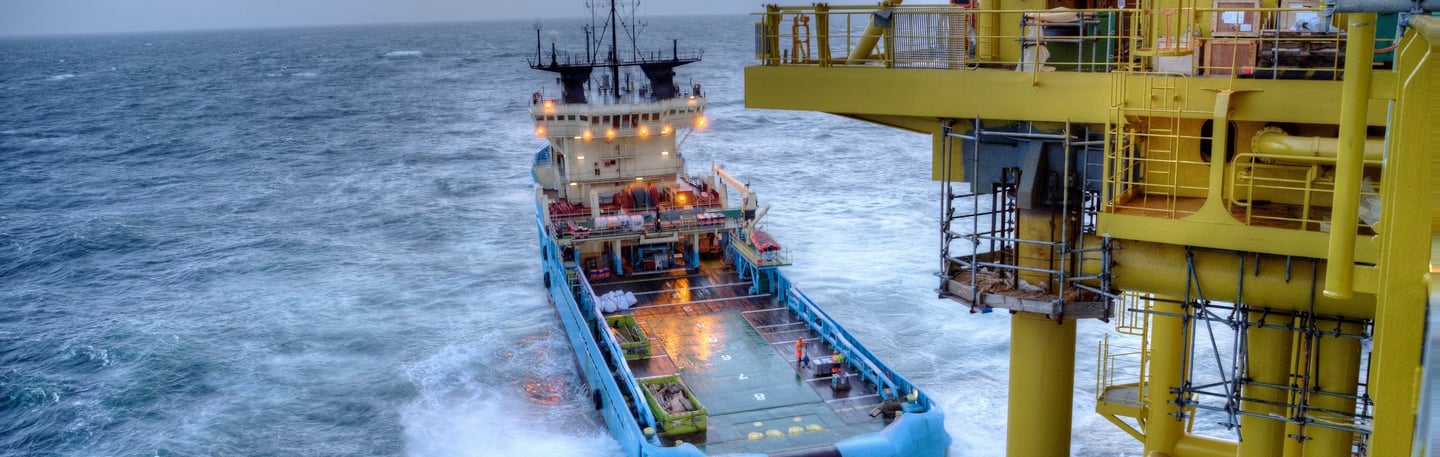
Specialized portable cords for harsh environments address specific challenges. Marine applications benefit from extra-flexible elastomer jackets resistant to salt water and UV exposure. Food processing facilities require oil-resistant cords that withstand repeated washdowns. Mining and underground work demands exceptionally tough, abrasion-resistant construction.
Always evaluate the complete operating environment—temperature extremes, chemical exposure, mechanical stress, moisture levels, and UV exposure—when selecting specialized cords.

Safety Tips & Best Practices
Proper Cord Usage
Match cord ratings to applications by ensuring voltage ratings exceed system voltage, current capacity exceeds load requirements, and environmental ratings match conditions. Never substitute a lower-rated cord for a higher-rated one specified by equipment manufacturers.
Temperature considerations include both ambient temperature and heat generated by current flow. Coiled cords cannot dissipate heat effectively and may overheat even within rated capacity.
Cord Inspection & Maintenance
Know when to replace electrical portable cords by checking regularly for cracked or brittle insulation, exposed conductors, damaged plugs or connectors, excessive stiffness or unusual flexibility, and burn marks or discoloration. Any of these signs indicates immediate replacement is necessary.
Proper storage involves loosely coiling cords without sharp bends, protecting ends from damage, and keeping cords clean and dry when not in use.
Common Mistakes to Avoid
Using undersized or wrong-rated cords for convenience is dangerous and potentially fatal. Extending cords beyond recommended lengths creates voltage drop and heating issues. Daisy-chaining multiple extension cords multiplies resistance and fire risk. Running cords under carpets or through doorways invites damage and creates tripping hazards.
Conclusion
Understanding the portable cord letter codes quick reference system empowers safe, informed decisions about electrical cord selection. From basic residential needs to demanding industrial applications, these standardized markings communicate essential information about voltage ratings, material construction, and environmental suitability.
Remember that "S" indicates heavy-duty 600V service, "J" designates junior 300V service, "T" and "E" describe jacket materials (thermoplastic vs elastomer), "O" marks oil resistance, and "W" confirms weather resistance. Combined with specialized codes like "H" for heat resistance and "V" for vacuum applications, these letters form a comprehensive language describing cord capabilities.
For complex electrical needs or whenever safety concerns arise, consult qualified electricians or electrical engineers who can evaluate your specific requirements. Proper cord selection based on accurate code interpretation protects people, equipment, and property while ensuring reliable performance across countless applications.
How to Reach Us
Get in Touch
SiteMap
Product Catalogue
Festoon Cable
Shore Power Cable


Scan to add us on WeChat