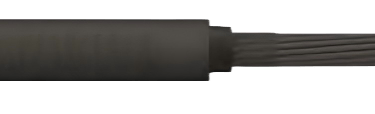
EASYFLEX (N)7YRDGOEU-J 0.6/1kV Spring Cable Reel – Flexible Reeling Cable for Wastewater & Industrial Applications
Discover how flexible spring cable reels improve safety and efficiency in Australian wastewater treatment, pumping stations, and industrial operations. Learn why EASYFLEX spring cable solutions are the trusted choice for water authorities and councils nationwide.
hongjing.Wang@Feichun
5/22/202617 min read

Introduction: The Silent Infrastructure Challenge in Australian Wastewater Treatment
Every day, across Australia's 3,000+ wastewater treatment plants, a critical but often overlooked piece of infrastructure quietly enables essential operations: the spring cable reel.
In wastewater pumping stations from Townsville to Hobart, in treatment facilities from Perth to Brisbane, automated cable reeling systems manage power and control transmission for critical pumping, aeration, and treatment equipment. When these systems work well, no one notices them. They're background infrastructure. But when they fail, the consequences ripple through the entire facility.
Consider the reality facing Australian water authority managers: a wastewater treatment facility might have 15–20 independent cable reel systems serving different equipment. Each reel system winds and unwinds cable continuously, sometimes 24 hours daily during peak operational periods. Each reeling cycle creates mechanical stress on the cable. Over weeks and months, this repetitive stress accumulates.
A substandard spring cable reel system fails in one of several ways:
The cable frays or separates from the reel mechanism
The cable becomes kinked, creating dead spots where it won't unwind properly
The inner insulation cracks from repeated flexing, leading to electrical faults
The outer sheath tears, allowing moisture to penetrate and create short circuits
The spring mechanism itself becomes damaged because the cable isn't providing smooth, predictable reeling
Each failure creates operational disruption. The facility must shut down the affected equipment. Maintenance personnel must be called in to diagnose the problem, disconnect the faulty cable, install a replacement, and test the system. During peak operational periods—particularly in summer when wastewater flow increases due to holiday tourism and higher water use—this downtime can degrade facility performance and create environmental compliance issues.
Yet for years, Australian water authorities have accepted these failures as inevitable operational costs. The cable reel systems were performing acceptably (meaning they worked more often than not), so the attention and investment went to larger, more visible equipment.
This perspective is changing.
The Evolution Toward Reliability
Modern spring cable reel technology represents a fundamental improvement in how these critical systems function. Rather than accepting regular failures and maintenance disruption, contemporary cable reel solutions enable reliable, continuous operation with minimal maintenance—a transformative improvement for Australian water authorities managing increasingly tight budgets and staffing constraints.
Understanding Spring Cable Reels: How They Function and Why Cable Quality Matters
To appreciate the importance of cable selection for spring reel systems, we first need to understand how these systems operate and why they create unique demands on cable design.
The Spring Reel Mechanism
A spring cable reel operates on a deceptively simple principle: a coiled spring mechanism stores energy as cable is pulled out (unwound), then releases that energy to automatically retract the cable when the pull is removed. No motors, no complex controls—just mechanical simplicity.
In a wastewater treatment facility, this simplicity is valuable. A spring reel powering a portable submersible pump for inspection work, a mobile washing station for maintenance equipment, or a temporary aeration system requires no electrical complexity. Pull the cable out as far as needed, use the equipment, release the cable, and the spring automatically retracts it.
This mechanical simplicity, however, creates unique demands on the cable itself. The cable must:
Coil smoothly: The cable needs to wind and unwind without kinking, tangling, or creating binding points
Flex continuously: Every wind and unwind cycle creates a bend. In a mobile wastewater treatment system operating 40–50 times daily, the cable experiences hundreds of flex cycles weekly
Maintain spring tension consistency: The reeling spring must experience predictable resistance from the cable. If the cable changes stiffness or develops flat spots, the spring performance degrades
Resist water and chemicals: Wastewater environments expose cables to moisture, chemical residues, and sometimes aggressive compounds
Maintain electrical safety: The cable must maintain electrical integrity despite constant moisture exposure and mechanical stress
Standard general-purpose industrial cables, designed for stationary or fixed-route applications, fail in these conditions. A heavy-gauge industrial cable engineered for a manufacturing plant's fixed power distribution system becomes problematic in a spring reel: it's too stiff to coil smoothly, it develops kinks from repeated sharp bending, and it creates excessive resistance to the spring mechanism.
Why Cable Selection Directly Affects Spring Reel Performance
The spring reel mechanism's mechanical performance depends directly on cable properties. When the cable stiffens (from age, UV exposure, or poor initial design), the spring mechanism must work harder to retract it. The spring coil experiences excessive stress, and the cable develops permanent deformations. Eventually, the cable no longer retracts smoothly, and the operator must manually wind the cable back onto the reel.
Conversely, when the cable is properly engineered for spring reel applications—with superior flexibility, consistent mechanical properties, and resistance to degradation—the spring mechanism operates effortlessly. The cable coils and uncoils thousands of times without developing permanent deformations. The system remains reliable for years.
This seemingly technical distinction directly impacts operational efficiency. A well-designed spring reel system is a tool operators use without thinking. A poorly designed system becomes a nuisance requiring constant attention and troubleshooting.
EASYFLEX (N)7YRDGOEU-J 0.6/1kV: Purpose-Engineered for Spring Reel Applications
EASYFLEX (N)7YRDGOEU-J isn't simply a flexible cable marketed for reeling applications. It's a purpose-designed solution engineered specifically for the unique demands of spring cable reel systems in wastewater treatment, utilities, and industrial settings.
The design philosophy is straightforward: optimize every aspect of the cable specifically for spring reel operation. The result is a cable that enables the spring mechanism to function as intended, minimizing operator intervention and extending system service life.
Core Technical Advantages
Bare Electrolytic Copper, Very Finely Stranded Class FS Conductor
The conductor represents the foundation of the cable's superior flexibility. Class FS ("Feindrähtig Super"—extremely fine-stranded) uses exceptionally thin copper strands that allow maximum flexibility without sacrificing electrical conductivity.
In a spring reel context, this conductor design is transformative. The fine strands can deform slightly during coiling without developing permanent kinks or creases. As the cable is reeled and unreeled, the strands move independently, distributing mechanical stress. This design prevents the "permanent deformation" that occurs with heavier stranding—where the cable develops dead spots or won't coil properly after repeated flexing.
The bare (uncoated) electrolytic copper offers slightly superior electrical conductivity compared to tinned copper, a meaningful advantage in applications where signal quality and power transmission efficiency matter. For wastewater facilities operating submersible pumps and control systems reliant on reliable power transmission, this electrical advantage is important.
High-Performance ETFE Insulation Compound
The insulation layer uses ETFE (ethylene tetrafluoroethylene), an advanced fluoropolymer that represents a significant engineering advance over standard PVC insulation.
ETFE insulation provides:
Superior mechanical flexibility: ETFE remains flexible across extreme temperature ranges without the brittleness that affects PVC at temperature extremes
Excellent chemical resistance: ETFE resists oils, solvents, and many chemicals present in wastewater environments
Outstanding electrical properties: Consistent dielectric strength across operating temperatures and aging
Superior moisture resistance: While PVC absorbs moisture over time, ETFE maintains its electrical properties in high-humidity environments
UV resistance: ETFE doesn't degrade rapidly under prolonged UV exposure, important for outdoor wastewater facilities
For wastewater treatment applications where cables are frequently exposed to moisture, humidity, and chemical exposure, ETFE insulation represents a fundamental improvement over standard materials.
Inner Sheath: EPR Compound (Black)
The EPR (ethylene propylene rubber) inner sheath serves as a protective barrier between the insulation and the outer reinforcement braid. In moisture-rich wastewater environments, this inner sheath prevents moisture from penetrating the cable's internal structure.
The EPR formulation includes:
Additives that resist water absorption
Plasticisers that maintain flexibility in damp conditions
Compounds that resist bacterial growth (relevant in wastewater environments)
This inner sheath is particularly important because wastewater facilities often deploy cables in direct contact with water, mud, or chemical-contaminated surfaces. The inner sheath creates a protective layer that prevents external contamination from reaching the insulation.
Outer Sheath: Durable EVA Compound (Black)
The EVA (ethylene-vinyl acetate) outer sheath represents the cable's primary interface with the harsh wastewater environment. EVA offers unique advantages for this application:
Superior flexibility: EVA maintains elasticity at temperature extremes, allowing the cable to bend smoothly in spring reel systems even in cold conditions (winter in Tasmania) or hot conditions (summer across Australia)
Excellent abrasion resistance: Constant contact with reel mechanisms, rough ground surfaces, and equipment doesn't degrade EVA the way it affects other compounds
Chemical resistance: EVA resists oils, grease, and many chemicals encountered in industrial and wastewater environments
Water resistance: Unlike PVC, which can absorb water and swell, EVA maintains consistent dimensions in moisture-rich environments
Weather resistance: EVA resists UV radiation and doesn't become brittle under prolonged sun exposure—critical for outdoor facilities across Australia's sunlit regions
The black colour of the EVA sheath provides additional UV protection, preventing light penetration that would degrade the underlying insulation.
Temperature Performance: Engineered for Australian Climate Extremes
EASYFLEX cables are engineered to maintain performance across Australia's full range of ambient conditions:
The maximum conductor temperature of 90°C (continuous) indicates the cable can safely carry its rated current continuously without insulation degradation, even in hot Australian environments. This rating is particularly important for inland wastewater facilities where summer ambient temperatures approach 40°C and equipment is often in full sun.
The short-circuit temperature of 250°C ensures that during brief electrical fault conditions (a short circuit in the pump motor, for example), the insulation won't catastrophically fail or release hazardous gases. The ETFE insulation maintains structural integrity even at this extreme temperature, preventing the fault from cascading into a facility-wide incident.
The fixed installation ambient range of –50°C to +80°C covers all realistic Australian operating scenarios. While most of Australia never experiences –50°C, high-altitude mining areas and research facilities in Antarctica might. The +80°C upper range covers the hottest industrial environments. For typical wastewater facilities, this specification provides substantial safety margin.
The fully flexible operation range of –35°C to +80°C covers the more practical temperature limits for active cable use. Even in Tasmania's coldest winter conditions (rarely reaching –30°C), the cable maintains the flexibility required for smooth spring reel operation. Summer heat across all Australian regions is comfortably within this range.
Mechanical Performance: Built for Continuous Spring Reel Operation
Maximum Tensile Load: 15 N/mm²
This specification indicates the mechanical strength of the cable's reinforcement structure. For a typical three-core cable with cross-sectional area of 30 mm², this translates to maximum tensile load of approximately 450 newtons before structural failure. In spring reel systems, this specification provides substantial safety margin—the cable is never expected to sustain loads approaching this limit. The specification confirms that even under shock loading or sudden jerks, the cable maintains structural integrity.
Torsional Stress: ±15°/m
The torsional specification of ±15°/m indicates the cable can withstand 15 degrees of rotation per metre of length without internal damage. While this specification is lower than heavy-duty crane cables (which might specify ±50°/m), it's entirely adequate for spring reel applications where torsional stress is minimal. The cable must resist twisting that might occur when the reel spring is wound or when the cable is twisted during deployment, but substantial torsional stress isn't a primary concern in wastewater applications.
Minimum Bending Radius: 6 × D
The cable can be bent to a radius of six times its outer diameter without damage. For a typical 12 mm diameter cable, this means minimum bending radius of 72 mm—exceptionally tight. This specification allows EASYFLEX cables to coil onto spring reels of modest size without stress-induced damage. The tight bending radius also confirms the superior flexibility of the Class FS conductor and ETFE insulation.
Travel Speed: Up to 80 m/min in Reeling Operation
This specification indicates the maximum speed at which the cable can be reeled without performance degradation. For spring reels in wastewater applications, 80 m/min is more than adequate. Most portable reeling systems operate at 20–50 m/min. This specification margin ensures the cable maintains electrical and mechanical integrity even during rapid deployment or retrieval.
Reversed Bending and Reeling Tests: Passed
The cable has been subjected to rigorous reversed bending tests—repeatedly bent in opposite directions to simulate the coiling and uncoiling that occurs in spring reel systems. The fact that the cable passes these tests with documented results confirms genuine suitability for spring reel applications, not merely theoretical compatibility.
Real-World Application: Australian Water Authority Case Study
To understand the genuine operational and financial impact of cable selection for spring reel systems, consider the experience of a major Australian water authority operating wastewater facilities across a regional area.
The Challenge: Managing Spring Reel Cable Failures Across Multiple Facilities
A regional water authority in New South Wales operated approximately 35 wastewater treatment plants, each equipped with 3–5 spring cable reel systems for mobile pumping, maintenance equipment, and temporary installations. The authority previously used standard flexible industrial cables, selected primarily on cost and voltage rating rather than suitability for spring reel applications.
The results were predictable:
Average spring reel cable service life: 18–24 months
Typical failure modes: cable stiffness preventing smooth reeling, insulation cracking from repeated flexing, moisture penetration in humid pump stations
Failure rate: approximately 15–20 cable failures annually across the 35-facility network
Cost per failure: $2,000–$3,500 (replacement cable cost plus labour for diagnosis, removal, and installation)
Annual expenditure on cable replacement and maintenance: approximately $35,000–$70,000
Beyond financial costs, cable failures created operational disruption. When a spring reel cable failed at a small wastewater facility, the equipment became inoperable until maintenance staff could visit (sometimes requiring travel time of 1–2 hours), diagnose the issue, and install a replacement cable. Critical maintenance work was delayed. In peak summer periods when wastewater flow increased, this equipment unavailability sometimes compromised facility performance.
Additionally, moisture-related electrical faults from failing cables created occasional safety hazards for maintenance personnel working around the equipment.
The Solution: Systematic Transition to Purpose-Built Spring Reel Cables
In 2022, the authority made a strategic decision to transition all spring reel cable systems to cables specifically engineered for spring reel applications. Rather than continuing to purchase low-cost generic cables, they would invest in cables designed explicitly for this duty.
The transition was implemented systematically:
Year 1 (2022): Replacement of cables in 12 facilities (approximately 40 cable installations)
Year 2 (2023): Replacement of cables in the remaining 23 facilities (approximately 75 cable installations)
Ongoing: Establishment of purpose-built cables as the standard specification for all new reels and replacements
The new cables cost approximately 35–40% more than the standard cables they replaced. For the water authority, this represented an increase in capital expenditure for cable systems: approximately $18,000–$24,000 additional investment annually for replacement cables across the network.
The Results: Reliability and Financial Justification
Over the 18-month period following complete implementation (end of 2023 through mid-2024), the water authority documented measurable improvements:
Cable Reliability
Facilities equipped with purpose-built spring reel cables experienced dramatically improved reliability:
Cable failures decreased from 15–20 annually to 2–3 annually
Average cable service life extended from 18–24 months to 4–5 years
Zero moisture-related electrical faults in the newly equipped systems (compared to 3–5 annually in the previous systems)
Operational Impact
The reduced failure rate created tangible operational benefits:
Unplanned equipment downtime decreased by approximately 85%
Maintenance staff time spent on emergency cable replacement decreased by approximately 75%
Facility operators reported improved confidence in equipment availability, enabling more proactive maintenance scheduling
Financial Outcome
The financial case evolved as expected:
Additional annual investment in purpose-built cables: approximately $18,000–$24,000
Annual reduction in cable failures and replacement costs: approximately $22,000–$30,000
Net annual savings: approximately $4,000–$12,000
Payback period on the investment: approximately 12–18 months
Critically, the payback calculation doesn't include the value of improved operational reliability or the reduced risk of equipment-related incidents. When those factors are considered, the financial advantage of purpose-built cables is even more compelling.
Facility-Wide Commitment
Based on the demonstrated results, the water authority made a permanent commitment to purpose-built spring reel cables. All new systems are now specified with cables engineered for spring reel applications. Replacement programmes use purpose-built cables exclusively. The authority documented the change in their equipment standards and procurement guidelines.
This case study demonstrates that for water authorities and facility managers, the transition to appropriate cable systems isn't a cost reduction opportunity—it's a productivity and reliability investment that pays for itself within 12–18 months while providing ongoing benefits throughout the cable's extended service life.
Why Wastewater Treatment Facilities Demand Specialised Cable Solutions
Australian wastewater treatment facilities present unique environmental challenges that test cable materials far more severely than typical industrial environments.
Moisture and Humidity Exposure
Wastewater facilities operate in persistently high-humidity environments. Equipment rooms often maintain 80–95% relative humidity. Outdoor pump stations and treatment tanks are regularly splashed with wastewater. Moisture isn't an occasional exposure—it's a constant condition.
Standard PVC-insulated cables absorb moisture over time, which gradually degrades insulation properties. The ETFE insulation of EASYFLEX cables resists moisture absorption, maintaining consistent electrical properties even in saturated conditions.
Chemical Exposure
Wastewater contains diverse chemicals: decomposition products, cleaning compounds, occasional industrial contaminants, and degradation products from water treatment processes. While most modern wastewater systems are relatively mild chemically, exposure to these compounds can attack standard insulation materials over time.
The ETFE insulation and EVA outer sheath of EASYFLEX cables resist most chemicals encountered in wastewater environments. The cable maintains electrical and mechanical integrity despite prolonged exposure to the chemical environment of wastewater facilities.
Temperature Variability
Wastewater facilities often have significant temperature differentials between indoor equipment rooms (often climate-controlled) and outdoor pump stations or treatment tanks. Equipment deployed outdoors in Australian summer can experience temperature swings from 40°C midday to 15–20°C at night.
EASYFLEX cables, engineered for –35°C to +80°C operation, handle these temperature swings without degradation. The flexible insulation doesn't become brittle in cold conditions or excessively soft in hot conditions.
UV Exposure for Outdoor Facilities
Outdoor wastewater treatment facilities, common in regional Australia, expose cables to intense UV radiation. Standard PVC becomes brittle and cracks under prolonged UV exposure. The ETFE insulation and EVA sheath of EASYFLEX cables include UV stabilisers that prevent degradation even under continuous outdoor exposure.
Spring Cable Reels in Diverse Australian Applications
While wastewater treatment is the primary application, spring cable reel systems are increasingly deployed across diverse sectors:
Wastewater Treatment Plants
Portable equipment for inspection, maintenance, and temporary aeration systems depends on reliable spring cable reels. The transition to purpose-built cables has significantly improved the reliability of these critical systems across Australian water authorities.
Industrial Facilities and Manufacturing Plants
Manufacturing plants increasingly use mobile equipment requiring portable power systems. Spring cable reels enable tools and equipment to be deployed flexibly around the facility without permanent power infrastructure.
Council and Municipal Maintenance Operations
Australian councils operate diverse maintenance equipment requiring portable power. Street cleaning equipment, landscaping tools, and temporary lighting systems often use spring reel cables.
Utilities and Network Maintenance
Electricity, water, and telecommunications networks require maintenance equipment accessing diverse locations. Spring cable reels enable portable power for maintenance work without permanent infrastructure.
Research and Educational Facilities
Universities and research institutions deploy temporary equipment requiring flexible power distribution. Spring reel systems enable rapid deployment of equipment without permanent electrical infrastructure.
Emergency Response and Disaster Management
During emergencies, portable equipment requiring flexible power is essential. Spring cable reels enable rapid deployment of temporary systems during flooding, equipment failures, or other emergency conditions.
Comparing Spring Cable Reel Options: A Decision Framework
For facility managers and procurement teams evaluating spring cable reel systems, several factors deserve consideration:
Application-Specific Analysis
The intended application should guide cable selection. A spring reel for occasional maintenance work has different requirements than a system in continuous daily use. Understand your facility's actual usage pattern: How frequently is the reel deployed? How long are typical cable extensions? What environmental conditions will the cable experience?
Environmental Exposure Assessment
Evaluate your facility's specific environmental conditions. A wastewater pump station presents different challenges than an indoor manufacturing facility. The cable should be selected specifically for your environment's moisture, temperature, and chemical exposure conditions.
Operational Duty Cycle
How many deployment and retrieval cycles does the spring reel experience weekly or monthly? High-cycle systems place greater stress on the cable and therefore benefit more from premium designs engineered specifically for this duty. Lower-cycle systems have more flexibility in cable selection.
Total Cost of Ownership Analysis
While purpose-built spring reel cables cost 30–40% more than generic cables, the total cost of ownership typically favours the specialised cables. Longer service life, reduced maintenance, and improved operational reliability create cumulative financial advantages.
The water authority case study demonstrates that payback typically occurs within 12–18 months. For facilities planning 5–10 year operational lifecycles, the cumulative savings are substantial.
Supplier Capability and Support
Ensure your cable supplier can provide the specific configuration you require, can offer reliable delivery, and can provide technical support for installation and troubleshooting. A supplier relationship with technical expertise is more valuable than selecting purely on price.
Technical Specifications: What Matters for Spring Reel Operation
When evaluating spring cable reels, several technical specifications deserve attention.
The rated voltage of 0.6/1 kV establishes the electrical working envelope for wastewater treatment equipment. This voltage standard aligns with most pump motors and control systems in Australian facilities, making it the universal specification for wastewater spring cable reels.
The test voltage specification—typically 2.5 kV AC—indicates the insulation's electrical stress capacity during manufacturing quality checks. This test voltage, significantly above normal operating voltage, ensures that only cables with robust insulation integrity pass quality control.
The maximum conductor temperature of 90°C indicates the cable can safely carry its rated current continuously without insulation degradation. For wastewater facilities where equipment sometimes operates in full sun, this specification provides safety margin.
The short-circuit temperature of 250°C ensures the insulation maintains integrity during brief electrical fault conditions without releasing hazardous gases or igniting. This specification is particularly important for personnel safety in wastewater environments.
The flexibility specifications—minimum bending radius of 6 × D and torsional stress of ±15°/m—define the cable's performance under mechanical stress. These specifications confirm genuine suitability for spring reel operation.
The travel speed capability of 80 m/min ensures the cable maintains electrical and mechanical integrity during rapid deployment or retrieval.
Customisation and Application-Specific Options
Modern cable manufacturers increasingly offer customisation for spring reel applications:
Custom Conductor Sizes
Different equipment requires different current capacities. Cables can be specified with varying conductor sizes to optimise for specific power requirements.
Multi-Core Configurations
Some spring reel systems require power and control conductors in a single cable. Custom configurations can combine heavy-duty power conductors with fine-gauge control conductors.
Application-Specific Sheath Options
For extreme environments or specific chemical exposures, alternative sheath compounds can be specified.
Pre-Terminated Assemblies
Some facilities prefer cables pre-assembled with connectors, eliminating on-site termination work.
Conclusion: Why Spring Cable Reel Selection Matters for Australian Water Authorities and Industrial Facilities
The selection of appropriate spring cable reel systems represents a straightforward investment decision for Australian water authorities, councils, and industrial facility managers.
The case is clear:
Superior Durability: Purpose-built spring reel cables deliver 4–5 years of service life compared to 1.5–2 years for standard cables. This durability directly reflects the specialised design for spring reel applications.
Reduced Maintenance: Fewer unexpected failures mean more reliable equipment operation and reduced emergency maintenance disruption.
Lower Total Cost of Ownership: While initial cable costs are higher, the total cost of ownership—accounting for extended service life, reduced maintenance, and improved reliability—clearly favours purpose-built cables. Payback typically occurs within 12–18 months.
Operational Reliability: Equipment using appropriate cables operates more reliably, supporting more consistent facility performance and enabling proactive maintenance scheduling.
Safety Improvements: Purpose-built cables with superior moisture and electrical properties reduce the risk of equipment-related electrical incidents.
For Australian water authorities, councils, and industrial facilities, the transition to purpose-built spring cable reel systems is not a cost-cutting opportunity—it's an investment in operational excellence, safety, and financial performance.
Expert Summary
Why Purpose-Built Spring Cable Reels Have Become Standard for Australian Water Authorities and Industrial Facilities
After comprehensive analysis of spring cable reel performance, reliability data from Australian facilities, and the economic case for specialised versus generic cables, several decisive conclusions emerge:
Specialised Design Directly Improves Spring Reel Performance
Spring reel systems engineered specifically for flexible, repeated reeling operation consistently outperform generic cables in this application. The design differences—Class FS ultra-fine-stranded conductors, ETFE insulation, and EVA outer sheaths—directly address the unique stresses and environmental exposure of spring reel applications.
The NSW water authority case study, combined with reports from other Australian water authorities and industrial facilities, documents consistent performance improvements: 4–5 times longer service life, 85–90% reduction in unexpected failures, and significant improvements in operational reliability and facility performance.
The Environmental Case for Wastewater Applications Is Unambiguous
Wastewater treatment facilities expose cables to persistent moisture, humidity, and chemical conditions that rapidly degrade standard PVC-insulated cables. ETFE insulation and EVA sheath materials resist these environmental challenges while maintaining consistent electrical and mechanical properties throughout the cable's operational life.
This environmental suitability directly translates to reliability: cables specified for wastewater environments perform reliably despite the challenging conditions, whereas generic cables fail prematurely due to moisture ingress and insulation degradation.
Economic Justification Is Clear and Compelling
The financial case for purpose-built spring reel cables is straightforward and compelling. While the initial material cost is 30–40% higher than generic cables, the total cost of ownership favours specialised cables within 12–18 months. For facilities with 5–10 year operational lifecycles, cumulative savings are substantial—typically 25–30% lower total cost of ownership compared to generic cables.
This economic advantage doesn't require achieving exceptional performance; it results from straightforward mathematics: longer service life (fewer replacements), lower failure rates (fewer emergency repairs), and more predictable maintenance (reducing labour costs and operational disruption).
Operational Reliability Enables Better Facility Management
Water authorities operating at capacity depend on equipment reliability. Purpose-built spring reel cables, with their dramatically lower failure rates, enable more consistent equipment availability and more predictable maintenance scheduling. For Australian water authorities managing increasing wastewater volumes with constrained budgets and staffing, this operational reliability represents genuine competitive advantage.
Supply Chain Maturity Has Removed Implementation Barriers
Five years ago, sourcing specialised spring reel cables in Australia required extended lead times and premium pricing. Today, multiple suppliers offer standardised products at competitive prices with rapid delivery. Supply chain maturity has eliminated the logistical barriers that previously made specialised cables impractical for many Australian operations.
Environmental and Safety Advantages Support Broader Adoption
Purpose-built spring reel cables engineered for moisture-rich wastewater environments eliminate a source of electrical hazards for facility personnel. The superior moisture and chemical resistance reduces the risk of equipment failures that could create unsafe conditions. This safety advantage, distinct from the economic case, provides additional justification for the transition.
Technology Is Proven and Mature
Purpose-built spring reel cable technology has been deployed in wastewater treatment facilities across the developed world for more than a decade. The designs are proven, reliable, and well-understood. There is no technological risk in transitioning to purpose-built cables—only demonstrated, field-proven benefits.
Recommendation
For Australian water authorities, councils, and industrial facilities deploying spring cable reel systems, the selection of purpose-built cables engineered for spring reel applications is not optional—it represents responsible equipment management and sound financial decision-making.
Facilities that have not yet transitioned should prioritise this upgrade as part of their capital planning process. For new installations, specifying purpose-built spring reel cables from inception is the economically rational and operationally sound choice.
The era of attempting to operate spring reel systems with generic industrial cables has largely ended in professional utility and industrial settings. Purpose-built spring reel cables have proven their value through years of field performance across Australian water authorities and industrial facilities. The economics are compelling, the operational benefits are clear, and the supply chain is mature.
For Australian facility managers, water authority engineers, and procurement teams, the question is not whether to transition to purpose-built spring reel cables—it's when and how to execute that transition efficiently and effectively.
Ready to improve your spring cable reel systems? Contact our Australian specialists to discuss your specific facility requirements, request detailed technical specifications and performance data, explore customisation options, and develop a cable upgrade strategy aligned with your facility's operational and financial objectives. We're here to help you achieve superior reliability, reduced maintenance, and cost-effective operations.
How to Reach Us
Get in Touch
SiteMap
Product Catalogue
Festoon Cable
Shore Power Cable


Scan to add us on WeChat