
EPR vs EPDM Rubber: A Comprehensive Guide to Cable Insulation Materials
Discover the key differences between EPR and EPDM rubber materials. Learn about polymer structures, vulcanization methods, chemical resistance, and industrial applications in seals, hoses, and roofing products.
hongjing.Wang@Feichun
12/22/20256 min read
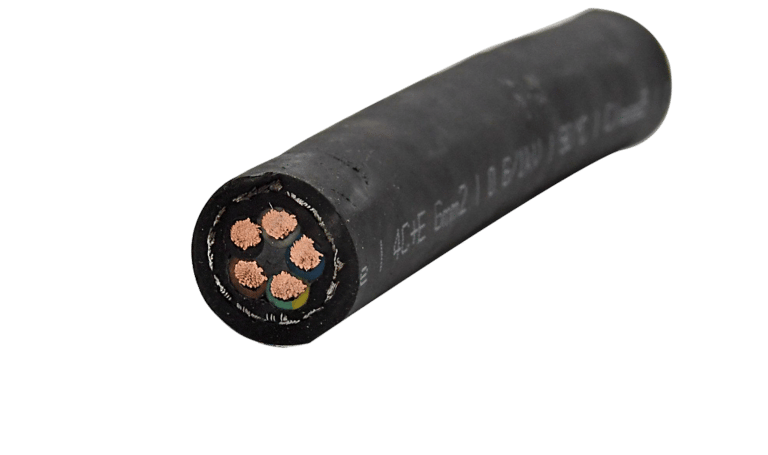
When selecting insulation materials for electrical cables, understanding the difference between EPR and EPDM rubber becomes crucial for ensuring optimal performance and longevity. These ethylene propylene rubber variants are widely used across Australian industries, from mining operations to renewable energy installations, yet many engineers and procurement specialists remain unclear about their distinctions. This guide clarifies the key differences, applications, and performance characteristics of these essential cable insulation materials.
Understanding Polymer Chemistry Basics
To grasp what sets EPR apart from EPDM, we need to understand fundamental polymer chemistry. Polymers are long chemical chains composed of repeating molecular units called monomers, which bond together end-to-end. Think of them as microscopic strands of spaghetti—flexible, intertwined, and capable of forming complex structures when properly processed.
The ethylene-propylene rubber family comprises two primary branches: EPR copolymer and EPDM terpolymer. The terminology itself provides clues to their composition. A copolymer contains two different monomer types, whilst a terpolymer incorporates three distinct monomers into its molecular structure.
EPR rubber (also known as EPM or EP copolymer) consists exclusively of ethylene and propylene monomers. These two components form the polymer backbone, creating a material with excellent electrical insulation properties and resistance to environmental degradation.
EPDM rubber (alternatively called EPT or EP terpolymer) builds upon this foundation by adding a third component—a diene monomer. This additional element fundamentally alters the material's processing capabilities and expands its application range. Three different diene types are commonly employed in commercial EPDM production, each offering slightly different performance characteristics for specific cable applications.
The Vulcanization Difference: Why It Matters for Cable Manufacturing
The most significant distinction between EPR and EPDM lies in their vulcanization or curing process. Vulcanization essentially "glues" the polymer chains together through chemical crosslinking, transforming a viscous polymer into a durable, elastic rubber material suitable for cable insulation.
EPR's molecular structure limits it to peroxide-based cure systems exclusively. This constraint arises from the absence of specialized reactive sites along the polymer chain. Peroxide curing involves free radical reactions that create crosslinks between polymer chains, but the process requires precise temperature control and specific formulation parameters.
EPDM's additional diene monomer provides specialized cure sites that enable dual vulcanization capability. Manufacturers can employ either peroxide-based or sulfur-based chemistries, depending on the desired cable performance characteristics. Sulfur vulcanization typically offers faster cure rates, better processing efficiency, and cost advantages—factors that explain why most seal industry and cable manufacturers prefer EPDM terpolymer for contemporary applications.
This flexibility proves particularly valuable in cable production, where processing efficiency directly impacts manufacturing costs and production throughput. The ability to select the optimal cure system based on specific performance requirements gives EPDM a decisive advantage in modern cable manufacturing environments.
Chemical Resistance and Performance Comparison
From a functional standpoint, EPR rubber and EPDM rubber exhibit remarkably similar chemical resistance profiles, making both suitable for various cable applications. However, understanding their nuances helps engineers select the appropriate material for demanding environments.
Both materials demonstrate excellent water resistance, making them ideal for underground cables, submarine applications, and installations in flood-prone areas. Their superior steam resistance supports their use in power generation facilities and industrial plants where elevated temperatures and moisture coexist. Additionally, both EPR and EPDM show outstanding compatibility with polar solvents such as MEK and acetone, which may be encountered during cable installation or maintenance procedures.
However, both materials share a significant limitation: dramatic swelling when exposed to petroleum products. This characteristic makes them unsuitable for applications involving direct contact with oils, fuels, or petroleum-based lubricants. Cable installations in refineries, fuel depots, or areas with potential hydrocarbon contamination require alternative insulation materials.
For specialized applications, subtle performance differences emerge. In nuclear industry applications requiring E0740-75 compliance, either EPR or very tightly cured EPDM formulations meet stringent radiation resistance and long-term stability requirements. For cables exposed to concentrated acetic acid environments—such as chemical processing facilities or industrial food production—specific EPDM compounds like E0692-75 demonstrate superior performance compared to most EPR formulations.
Industrial Cable Applications by Sector
Mining and Heavy Industry
Australian mining operations frequently specify EPDM-insulated cables due to their robust performance in challenging conditions. Underground mining cables benefit from EPDM's water resistance and mechanical durability, whilst open-cut operations value its UV stability and ozone resistance. The sulfur cure compatibility enables manufacturers to produce mining cables efficiently at competitive prices without compromising safety standards.
Power Generation and Distribution
Power stations, particularly those employing steam turbines, rely heavily on EPDM terpolymer-insulated cables. The material's exceptional steam resistance and thermal stability support reliable operation in hot, humid environments surrounding boilers and turbine halls. Distribution networks serving coastal communities benefit from EPDM's salt spray resistance and weathering performance.
Renewable Energy Installations
Solar farms and wind energy facilities across Australia increasingly specify EPDM-insulated cables for their superior UV resistance and ozone stability. The material withstands decades of direct sunlight exposure without significant degradation, ensuring reliable power transmission throughout the installation's service life. EPR copolymer occasionally appears in specialized renewable energy applications where specific performance characteristics justify its selection.
Building Services and Infrastructure
Commercial and residential building services cables commonly employ EPDM insulation for risers, distribution boards, and external routing. The material's fire resistance properties, when properly formulated, support compliance with Australian Standards for building cable installations. Its flexibility at low temperatures facilitates installation in air-conditioned environments and cold storage facilities.
Common Cable Problems and Solutions
Problem 1: Cable Insulation Swelling in Industrial Environments
Question: Why has my EPR-insulated cable developed soft spots and increased diameter after six months of service in our maintenance workshop?
Answer: This classic symptom indicates petroleum product exposure. Both EPR and EPDM swell dramatically when contacted by oils, greases, or fuel. If your cables run through areas where machinery lubrication or vehicle maintenance occurs, specify alternative insulation materials such as chloroprene (neoprene) or CSM (Hypalon) that resist petroleum products effectively. For existing installations, implement physical protection through conduit or cable trays that prevent direct contact with hydrocarbon contaminants.
Problem 2: Premature Ageing in Outdoor Installations
Question: Our outdoor cables show surface cracking and hardening after only three years, despite EPR insulation being specified. What's causing this premature failure?
Answer: EPR and EPDM exhibit different ozone resistance depending on their formulation and cure system. Peroxide-cured EPR may show inferior ozone resistance compared to properly formulated EPDM compounds. Additionally, UV stabilizer levels significantly impact outdoor performance. Request cables meeting Australian UV exposure standards with carbon black content optimized for local conditions. Consider upgrading to premium EPDM formulations with enhanced weathering packages for harsh Australian climates, particularly in tropical northern regions or intense UV environments.
Problem 3: Installation Difficulties in Cold Weather
Question: Cable installers report that our EPR-insulated cables become stiff and difficult to handle during winter installations in southern regions. Can we avoid this problem?
Answer: Low-temperature flexibility varies between EPR rubber and EPDM rubber formulations. Specify cables with cold-flexible grades rated for your minimum installation temperature—typically -40°C for premium formulations. EPDM terpolymer generally offers better low-temperature performance than standard EPR copolymer. Store cables in heated areas before installation and avoid forcing tight bends in cold conditions, which can cause insulation cracking or conductor damage.
Problem 4: Chemical Resistance Uncertainty
Question: We're installing cables in a food processing facility using acetic acid. Will standard EPDM insulation withstand this environment?
Answer: Not all EPDM compounds resist concentrated acids equally. For acetic acid exposure, specify cables using E0692-75 grade EPDM or equivalent formulations proven in similar applications. Request material compatibility certifications from manufacturers and consider protective routing through acid-resistant conduit for additional security. Regular inspection protocols should monitor insulation condition in chemical environments, with replacement intervals based on observed degradation rates rather than arbitrary timeframes.
Problem 5: Nuclear Facility Cable Selection
Question: Which rubber material meets requirements for cables in our research reactor facility?
Answer: Nuclear applications demand exceptional radiation resistance and long-term stability. Specify cables meeting E0740-75 standards, which covers both tightly cured EPDM and EPR formulations. These materials undergo rigorous testing for radiation-induced degradation, maintaining electrical and mechanical properties throughout extended exposure. Work directly with specialized cable manufacturers experienced in nuclear installations to ensure complete compliance with Australian Nuclear Science and Technology Organisation (ANSTO) requirements and international nuclear standards.
Selection Criteria for Australian Applications
When choosing between EPR vs EPDM for cable applications, consider these decision factors:
Environmental Exposure: EPDM typically outperforms EPR in outdoor Australian conditions due to superior ozone resistance and UV stability. Coastal installations particularly benefit from EPDM's salt spray resistance.
Chemical Environment: Avoid both materials for petroleum product exposure. For water, steam, and polar solvents, either material performs adequately. Specify appropriate EPDM grades for acid environments.
Temperature Range: Both materials serve admirably in the -40°C to +90°C range typical of cable applications. For specialized high-temperature applications exceeding 90°C continuous operation, consult manufacturers regarding specific compound capabilities.
Processing and Cost: EPDM's dual cure capability generally reduces manufacturing costs whilst maintaining performance. For volume installations, EPDM often delivers better value.
Regulatory Compliance: Ensure selected materials meet relevant Australian Standards (AS/NZS 5000 series) and specific industry requirements for mining, healthcare, or other regulated sectors.
Conclusion
Understanding the difference between EPR and EPDM empowers engineers and procurement specialists to make informed cable selection decisions. Whilst both ethylene propylene rubber variants offer excellent electrical insulation properties, water resistance, and steam resistance, EPDM's vulcanization flexibility and enhanced chemical resistance make it the preferred choice for most contemporary Australian cable applications.
EPR copolymer maintains relevance in specialized applications where its specific properties align with performance requirements, particularly in nuclear facilities or applications demanding peroxide-cure characteristics. However, EPDM terpolymer's versatility, processing advantages, and robust performance across diverse environments explain its dominance in seal industry, cable manufacturing, and numerous industrial applications throughout Australia.
Successful cable installations depend on matching material properties to application demands. By understanding these polymer distinctions and addressing potential problems proactively, you ensure reliable electrical infrastructure performance throughout its intended service life.
How to Reach Us
Get in Touch
SiteMap
Product Catalogue
Festoon Cable
Shore Power Cable




Scan to add us on WeChat