High-Voltage Industrial Power Cable TSCGEWOEU 6-35 KV for Conveyor Systems and Submersible Pump Connections
Durable 6-35 KV industrial power cable (Model TSCGEWOEU) designed for conveyor belt installation, cable boom systems, and submersible pump unit connections. Ideal for continuous movement applications and material handling equipment. Heavy-duty solution for demanding industrial environments.
hongjing.Wang@Feichun
10/30/20258 min read
The Backbone of Heavy-Duty Industrial Operations
In the demanding world of industrial operations, from sprawling mining facilities to complex manufacturing plants, the reliability of electrical infrastructure can mean the difference between seamless productivity and costly downtime. At the heart of these systems lies a critical component often overlooked: the power cable that delivers energy to heavy machinery, conveyor systems, and submersible equipment. The TSCGEWOEU series represents a sophisticated solution engineered specifically for high-voltage industrial applications where standard cables simply cannot perform.
Modern industrial environments present unique challenges for electrical distribution. Equipment operates continuously, often in harsh conditions with exposure to mechanical stress, temperature extremes, and environmental contaminants. Whether powering a conveyor belt system transporting thousands of tons of material daily or maintaining electrical supply to submersible pump units operating hundreds of meters below the surface, the industrial power cable must deliver unwavering performance. This article explores the technical capabilities, applications, and advantages of the 6-35 KV industrial power cable for conveyor belts and related material handling systems.
Understanding the TSCGEWOEU Industrial Cable Series
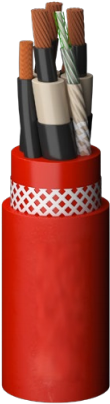
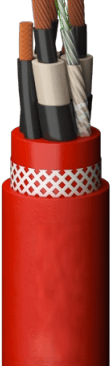
The (M) F-(N)TSCGEWOEU I 6-35 KV designation represents more than just a model number—it encodes critical information about the cable's construction and capabilities. This industrial-grade power cable is specifically designed for medium to high-voltage applications, with voltage ratings spanning from 6 kV to 35 kV, accommodating various industrial power distribution requirements.
The cable features a sophisticated multi-layer construction that provides both electrical performance and mechanical durability. At its core, finely stranded bare copper conductors (class 5) ensure optimal current flow and flexibility. These conductors are surrounded by semi-conductive EPR (Ethylene Propylene Rubber) insulation layers that provide uniform electric field distribution, crucial for preventing partial discharge and ensuring long-term reliability in high-voltage applications.
The three-core design incorporates split earth conductors positioned in the outer interstices, creating an integrated grounding system that enhances safety and electromagnetic compatibility. An inner sheath of specialized EPR compound provides mechanical protection and waterproofing, while the outer sheath of chlorinated polyethylene (CM/CPE) delivers exceptional resistance to oils, chemicals, UV radiation, and ozone—all common hazards in industrial environments.
Primary Applications: Where Industrial Cables Meet Demanding Operations
Conveyor Belt Systems: The Arteries of Material Handling
Conveyor belt cable solutions face unique challenges. These systems often stretch for kilometers in mining operations, quarries, and manufacturing facilities, requiring cables that can withstand not only electrical loads but also mechanical stresses from movement, vibration, and temperature fluctuations.
The high-voltage cable submersible pump connection capabilities of the TSCGEWOEU series make it ideal for both stationary installations along conveyor routes and shiftable conveyor belt cable solutions where equipment must be relocated periodically. The cable's flexibility allows it to bend around pulleys and structural supports without compromising electrical integrity, while its robust outer sheath protects against abrasion from moving parts and environmental exposure.
For portable units that must be repositioned as work areas change—common in mining and large-scale construction—this material handling equipment power cable provides the durability necessary to withstand repeated handling, coiling, and deployment cycles without degradation.
Material Handling Equipment: Flexibility Meets Reliability
Heavy-duty cable boom systems represent one of the most challenging applications for industrial cables. These systems, found on large excavators, stackers, and reclaimers, require cables that can flex continuously as the boom moves through its operational range. The TSCGEWOEU series addresses this need through its semi-flexible design, which permits continuous movement while maintaining electrical performance.
The cable boom systems in material handling operations demand specific bending radius characteristics. According to VDE 0298-3 standards, the TSCGEWOEU cable requires a minimum bending radius of 6 times the cable diameter for fixed installations and 10 times the diameter for flexible operation—specifications that balance mechanical flexibility with long-term reliability.
Upper-to-lower car connections on material handling equipment present another critical application. These cables must bridge the gap between the stationary base and the moving upper structure, enduring constant flexing as the equipment rotates and operates. The continuous movement industrial cable systems capability of the TSCGEWOEU series makes it particularly suitable for this demanding application.
Submersible Pump Unit Connections: Power Beneath the Surface
Submersible pump installations require cables that can perform reliably in underwater environments while maintaining electrical integrity under pressure. The TSCGEWOEU industrial cable applications extend to depths of 10 meters, with specialized moisture barriers and waterproof compounds protecting the electrical components.
The high-voltage cable submersible pump connection must address several critical challenges: water ingress prevention, pressure resistance, mechanical protection during installation, and long-term stability in submerged conditions. The cable's chlorinated polyethylene outer sheath provides excellent water resistance, while the specialized EPR inner sheath creates a secondary barrier against moisture penetration.
These submersible installations commonly occur in mining dewatering operations, industrial water management systems, and agricultural irrigation facilities where reliable power delivery to submerged pumps is essential for continuous operation.
Technical Specifications: Engineering Excellence in Detail
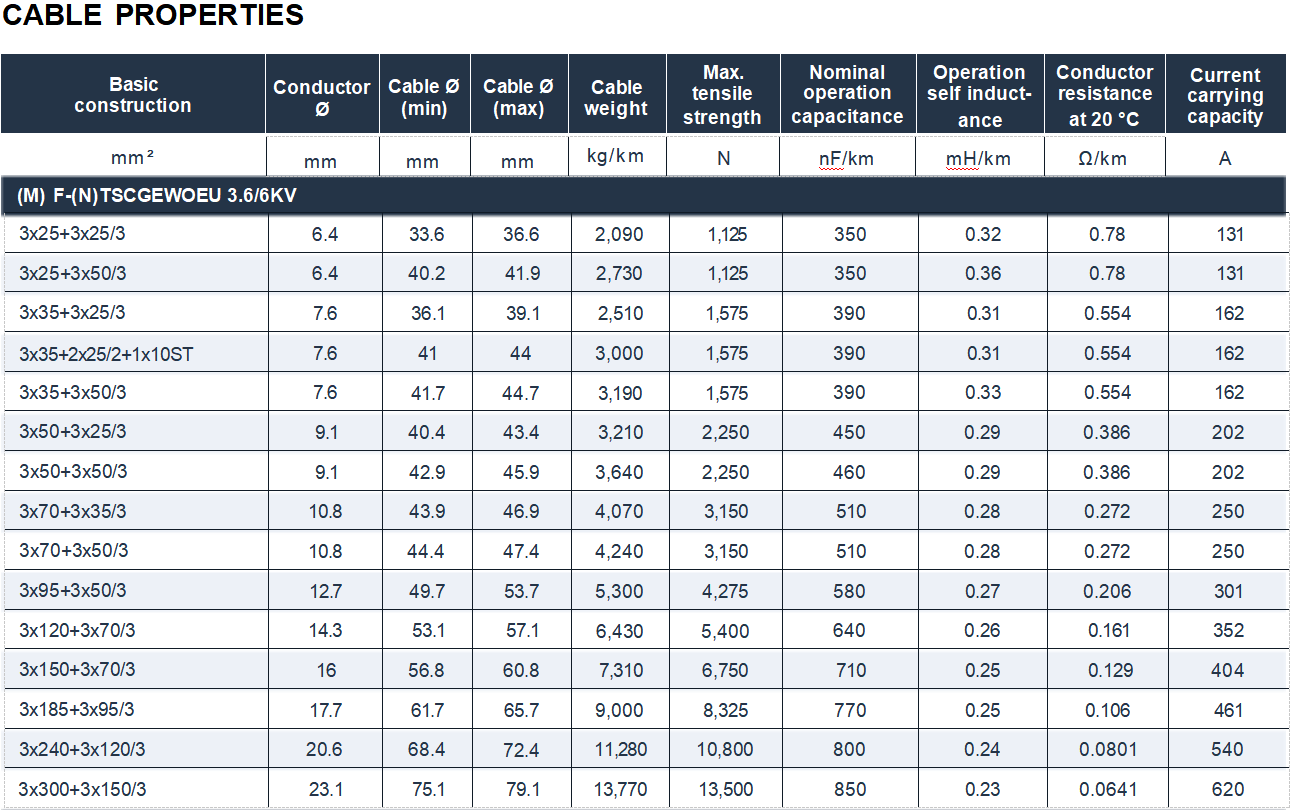
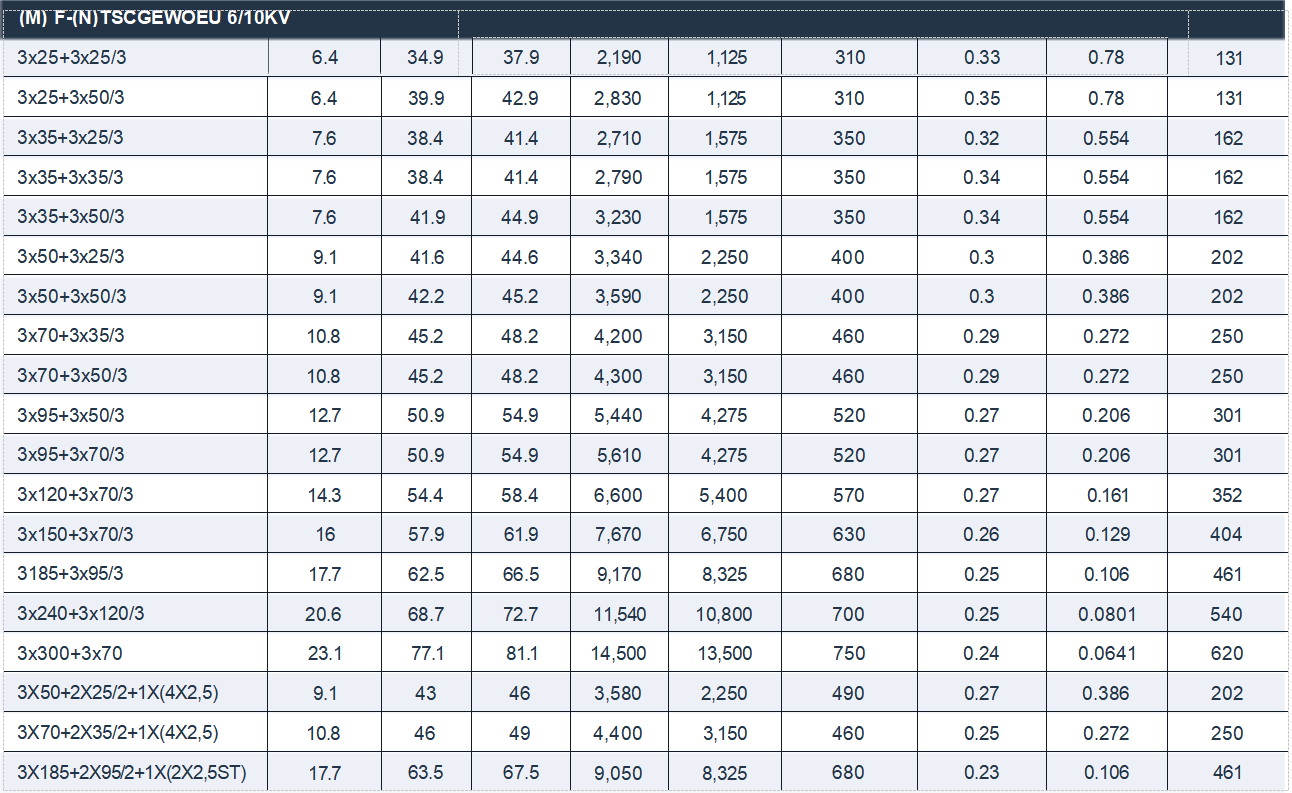
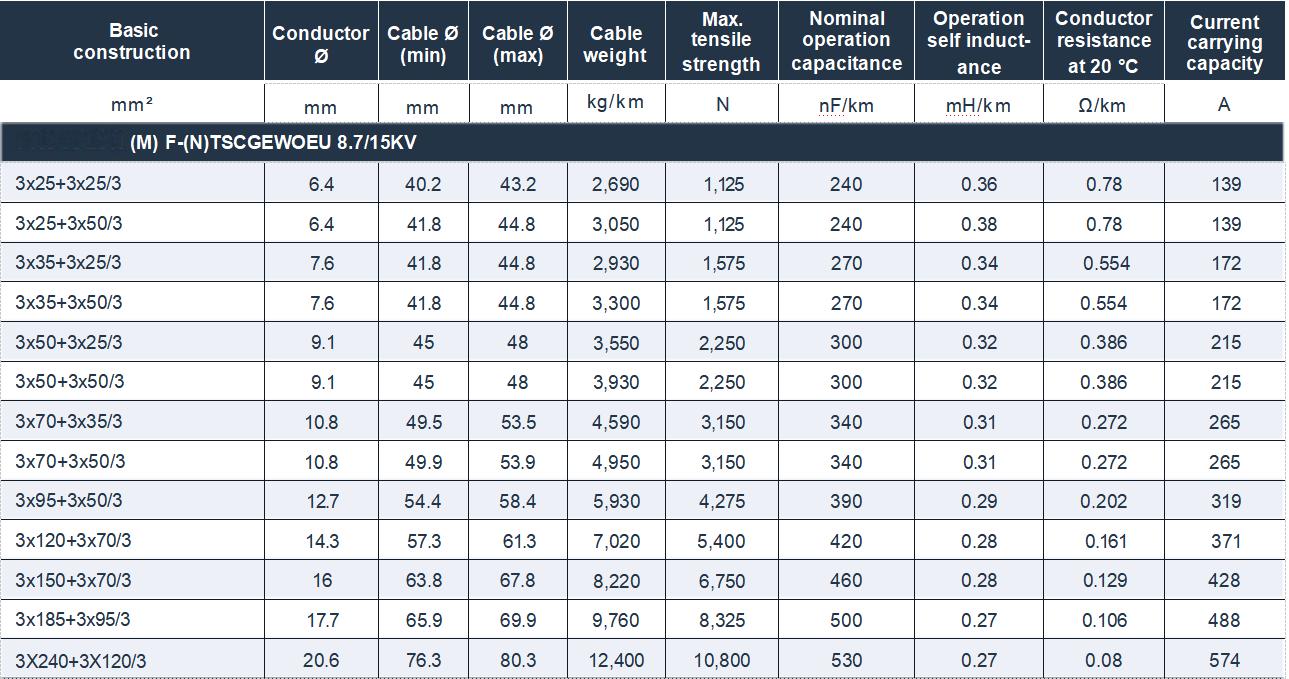
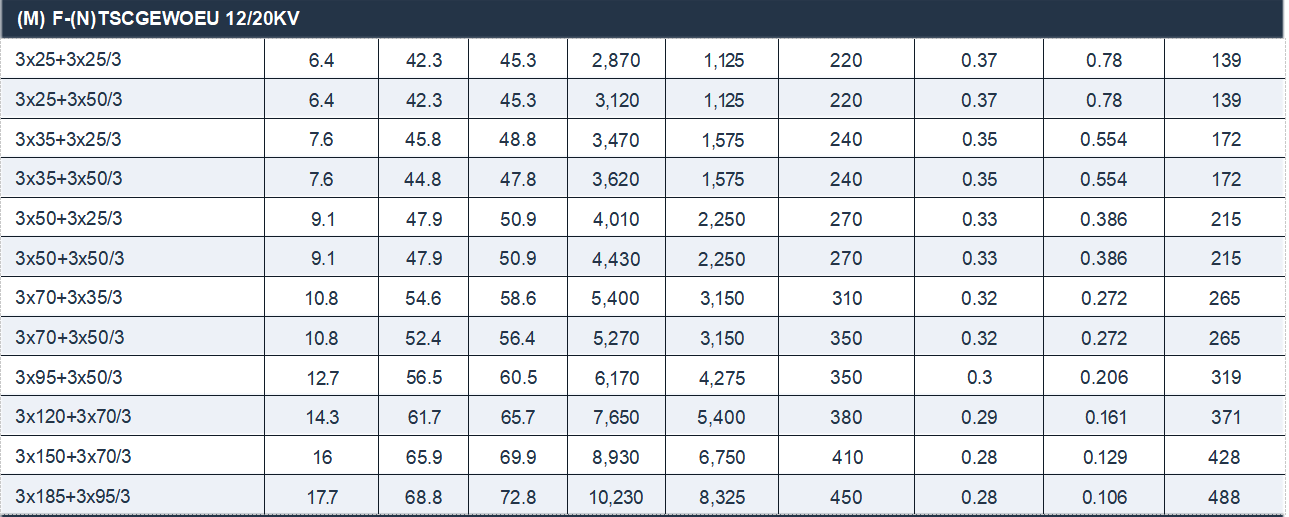
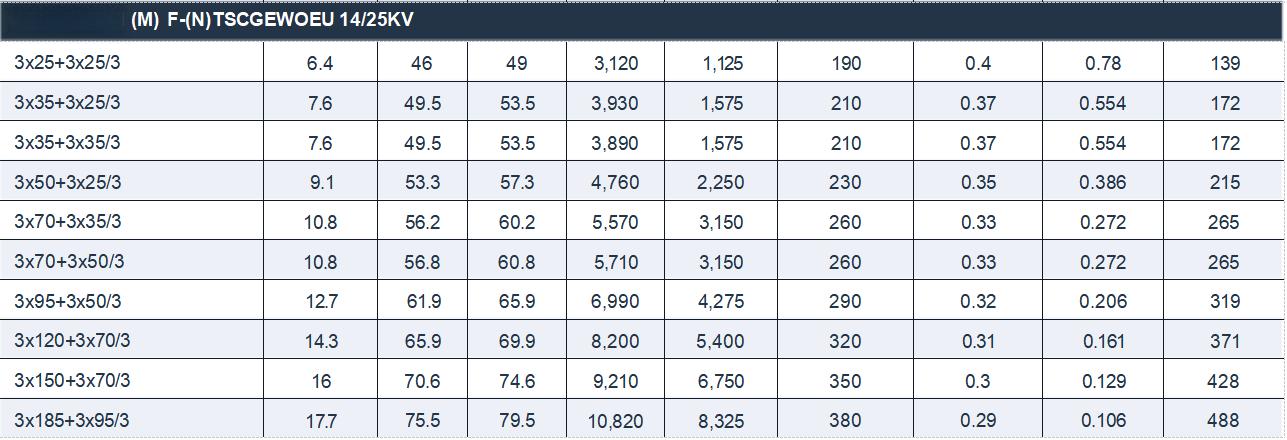
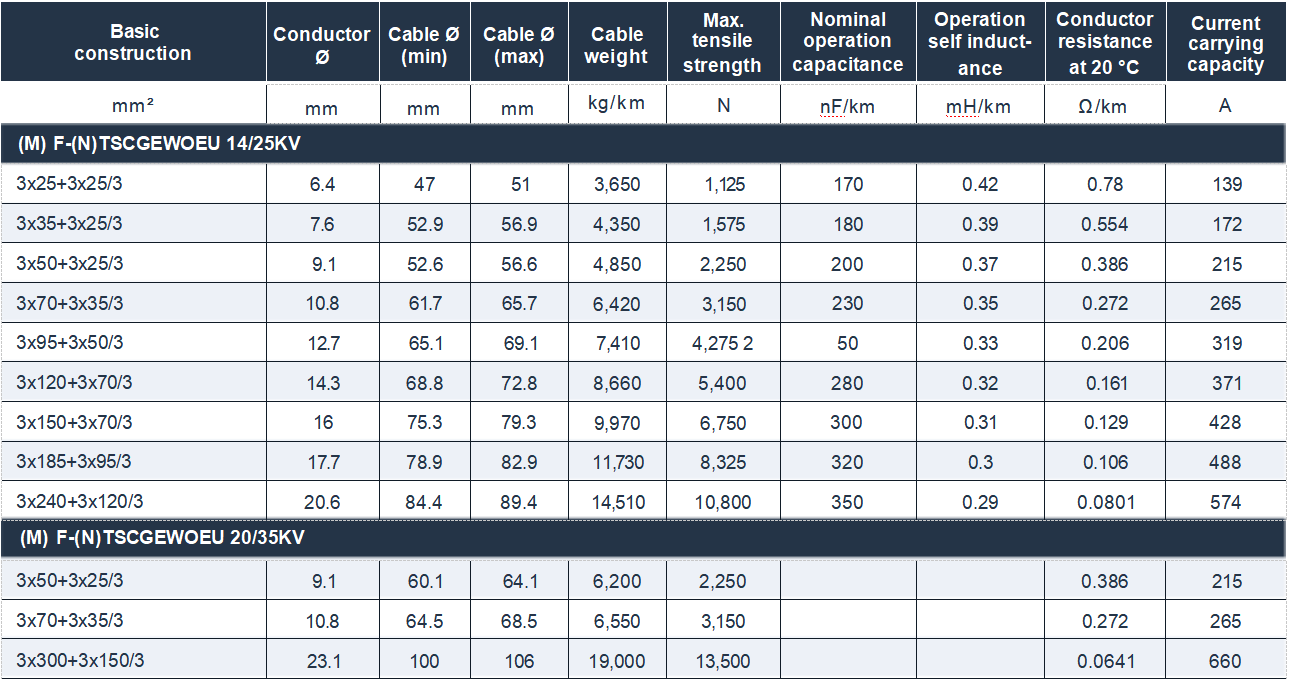
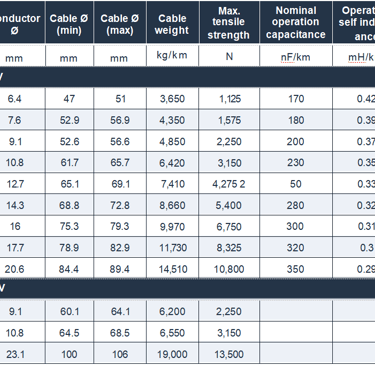
The TSCGEWOEU series spans voltage ratings from 3.6/6 kV through 20/35 kV, with various conductor sizes ranging from 25 mm² to 300 mm². This range allows engineers to specify the appropriate cable for specific power requirements and transmission distances.
The conductor resistance at 20°C varies with cross-sectional area, from 0.78 Ω/km for 25 mm² conductors to 0.0641 Ω/km for 300 mm² configurations. Current carrying capacity ranges from 131 amperes to 660 amperes depending on conductor size and installation method, providing sufficient capacity for most industrial applications.
Temperature performance is critical in industrial environments. The cable operates with a maximum conductor temperature of 90°C during normal operation and can withstand short-circuit temperatures up to 250°C. The ambient temperature range extends from -40°C to 80°C for fixed installations and -25°C to 60°C for flexible applications, accommodating diverse climatic conditions from Arctic mining operations to tropical industrial facilities.
Mechanical performance specifications include a permanent tensile strength of 15 N/mm², ensuring the cable can withstand pulling forces during installation and operation. The torsional stress rating of ±100°/m indicates the cable's ability to handle twisting forces common in cable boom applications.

Why Choose TSCGEWOEU: Advantages for Industrial Operations
Durability in Harsh Environments
The industrial-grade power cable for material handling must withstand conditions that would destroy conventional cables. The TSCGEWOEU series incorporates multiple protection layers specifically designed for industrial hazards. The outer sheath resists oils, fuels, acids, bases, and chemical contaminants commonly encountered in industrial settings. UV and ozone resistance ensure the cable maintains integrity even in outdoor installations with direct sun exposure.
Flame retardancy according to EN/IEC 60332-1-2 standards provides essential fire safety in environments where ignition sources may be present. This becomes particularly important in mining operations, where cable fires can have catastrophic consequences.
Flexibility for Dynamic Applications
Unlike rigid power distribution cables, the TSCGEWOEU series balances mechanical strength with operational flexibility. This characteristic proves essential for continuous movement industrial cable systems where the cable must flex thousands of times during its service life. The finely stranded copper conductors and elastomeric insulation materials provide this flexibility without compromising electrical performance.
The semi-flexible design occupies a crucial middle ground between completely rigid installation cables and extremely flexible trailing cables. This makes the TSCGEWOEU series particularly suitable for material handling equipment that experiences regular but not constant movement—such as shiftable conveyor sections, adjustable boom systems, and equipment that repositions periodically.
Reliable Long-Term Performance
Industrial operations cannot afford frequent cable replacements due to failure or degradation. The TSCGEWOEU cable construction emphasizes longevity through material selection and design choices that minimize wear and aging. The EPR insulation maintains flexibility even after years of thermal cycling, unlike some polymer insulations that become brittle over time.
The split earth conductor design provides superior fault protection compared to single-ground configurations, ensuring that ground faults are detected and cleared quickly, protecting both equipment and personnel. The nominal operation capacitance and self-inductance characteristics are optimized for stable power transmission with minimal losses over long cable runs common in industrial installations.
Installation and Maintenance: Best Practices for Optimal Performance
Proper installation begins with careful planning. The cable route should minimize sharp bends, avoiding areas where mechanical damage might occur. For conveyor belt installations, the cable should be secured at appropriate intervals to prevent excessive sag or movement that could cause mechanical stress.
When installing heavy-duty cable boom systems, particular attention must be paid to the cable entry and exit points where flexing concentrates. These areas benefit from strain relief systems that distribute bending forces gradually rather than creating stress concentration points.
For submersible pump unit connections, the cable must be protected during lowering operations to prevent abrasion against well casings or structures. Submersible cable joints require specialized techniques to ensure water-tight seals that maintain electrical integrity under pressure.
Regular inspection programs should monitor the cable for signs of mechanical damage, insulation degradation, or environmental stress. Thermal imaging can detect hot spots indicating poor connections or internal damage before failure occurs. Partial discharge testing provides early warning of insulation deterioration in high-voltage applications.
Industry Applications: From Mining to Manufacturing
Mining operations represent one of the most demanding environments for industrial power cables. Open-cast mines deploy extensive conveyor systems to transport ore from excavation sites to processing facilities. The 6-35 KV industrial power cable for conveyor belts must withstand dust, moisture, temperature extremes, and mechanical abuse while maintaining continuous power delivery.
Underground mining presents additional challenges, with cables exposed to moisture, rock dust, and the risk of mechanical damage from mining equipment. The TSCGEWOEU series' robust construction and flame-retardant properties make it particularly suitable for these applications.
Construction equipment, particularly large material handlers and cranes, relies on cable boom systems that must flex continuously during operation. The material handling cable must provide reliable power transmission while maintaining flexibility throughout thousands of operational cycles.
Manufacturing facilities use these cables for overhead crane systems, automated material handling equipment, and production line machinery. The chemical resistance and mechanical durability ensure reliable operation even in aggressive industrial atmospheres.
Compliance and Safety: Meeting International Standards
The TSCGEWOEU series complies with numerous international standards that govern industrial cable performance and safety. DIN VDE 0250-813 establishes general requirements for these cable types, while EN 50525-2-21 specifies electrical parameters. Fire performance testing according to DIN EN 60332-1-2 / IEC 60332-1-2 ensures appropriate flame retardancy.
Chemical behavior testing per IEC 60811-404 verifies resistance to oils, acids, and other industrial chemicals. These certifications provide confidence that the cable will perform as specified in real-world industrial environments.
Mechanical parameter testing according to DIN VDE 0298-3 validates the cable's ability to withstand installation and operational stresses. These standards ensure that cables meet minimum performance criteria for tensile strength, bending radius, and flexibility.
Selecting the Right Cable: Factors to Consider
Choosing the appropriate industrial power cable requires evaluating multiple factors beyond simple voltage and current requirements. The installation environment significantly influences material selection—underwater applications demand superior moisture resistance, while outdoor installations in sunny climates require enhanced UV protection.
The nature of equipment movement determines whether a semi-flexible cable like the TSCGEWOEU series is appropriate or whether a more flexible trailing cable would be better. Fixed conveyor installations can utilize less flexible cables with higher mechanical strength, while continuously moving equipment requires maximum flexibility.
Ambient temperature extremes, chemical exposure, and mechanical stress levels all inform the selection process. The TSCGEWOEU series excels in applications combining moderate flexibility requirements with high mechanical stress and chemical exposure—the typical profile for material handling and conveyor systems.
Conclusion: Powering Industrial Progress
The high-voltage industrial power cable TSCGEWOEU 6-35 KV series represents a carefully engineered solution for demanding industrial applications. From conveyor belt systems moving millions of tons of material annually to submersible pump installations maintaining production schedules, these cables provide the reliability and durability that modern industry demands.
Understanding the technical specifications, application requirements, and installation best practices ensures optimal performance and longevity. As industrial operations continue to expand and intensify, the role of robust, reliable power distribution becomes ever more critical. The TSCGEWOEU series stands ready to meet these challenges, providing the electrical infrastructure that powers industrial progress across diverse applications and environments.
How to Reach Us
Get in Touch
SiteMap
Product Catalogue
Festoon Cable
Shore Power Cable


Scan to add us on WeChat