How to Prevent Cable Aging in Steel Mills and Coking Plants: Solutions for High Temperature, Oil Contamination, and Heavy Dust Environments
Prevent cable aging in steel mills and coking plants with high temperature, oil, and dust exposure by choosing the right industrial cable materials and designs.
hongjing.Wang@Feichun
1/28/20269 min read
1. Introduction: Why Cable Aging Is a Critical Issue in Steel & Coking Plants
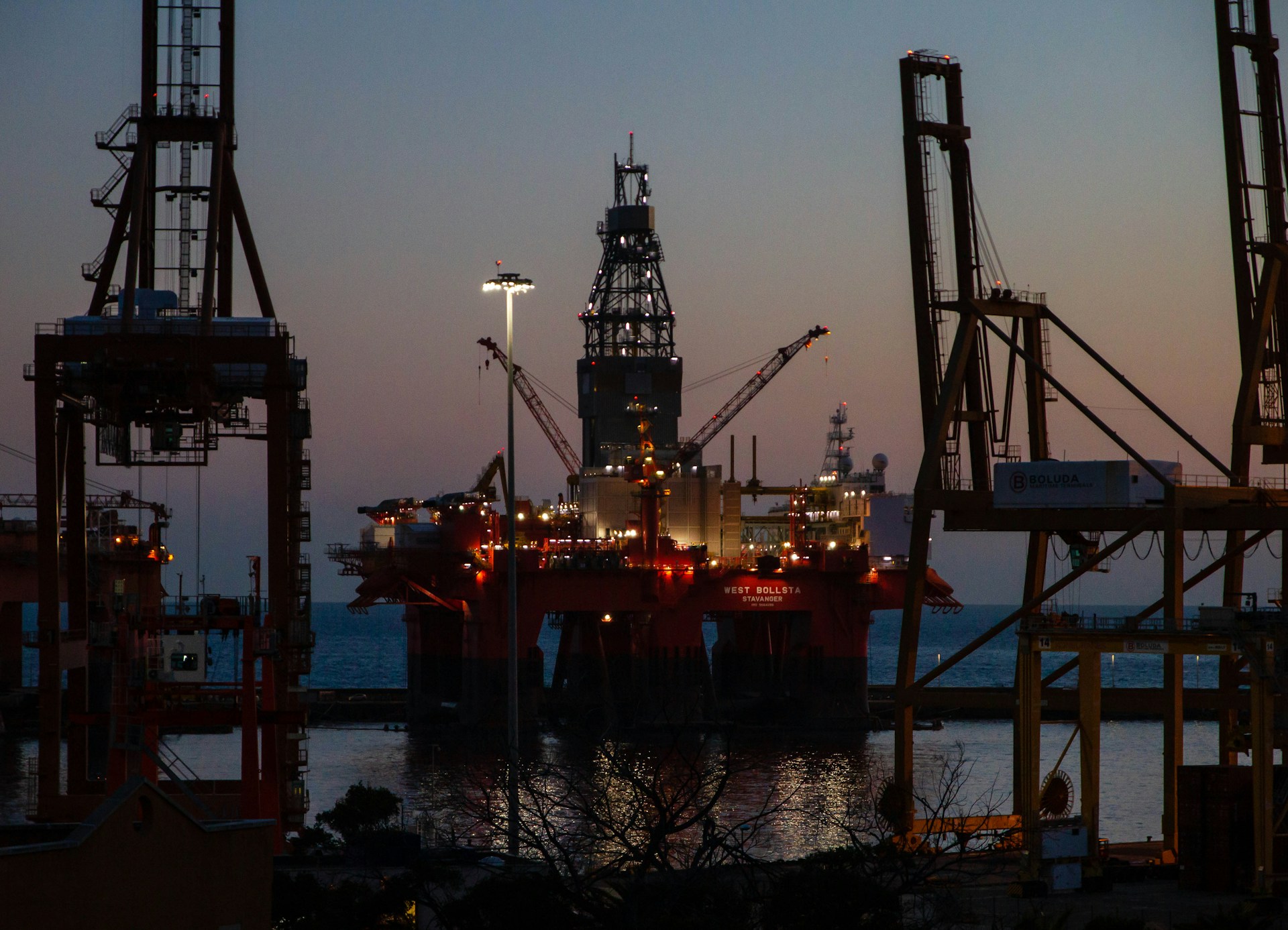
Steel mills and coking plants represent some of the most demanding environments for electrical infrastructure. These facilities operate continuously at extreme temperatures, with ambient conditions frequently exceeding 60°C near furnaces and coke ovens, while radiant heat from molten steel can reach well above 1000°C. The atmosphere is laden with coal particles, metal dust, and airborne contaminants, while hydraulic oil, lubricants, and coal tar create a persistent chemical challenge for all exposed equipment.
In these harsh conditions, cable aging in steel mills accelerates dramatically compared to standard industrial settings. Premature cable degradation manifests through insulation cracking, sheath hardening, and progressive loss of dielectric strength. When cables fail unexpectedly, the consequences extend far beyond simple replacement costs—unplanned downtime in a blast furnace or coking battery can result in production losses exceeding hundreds of thousands of dollars per hour, not to mention safety risks to personnel.
The selection of environment-specific industrial cables becomes not merely a technical preference but an operational necessity. Standard cables designed for general industrial use typically fail within months when exposed to the combined stresses of high temperature, oil contamination, and abrasive dust that characterize steel and coking operations.
2. Key Environmental Factors Accelerating Cable Aging
2.1 High Temperature Exposure
High temperature industrial cables must withstand two distinct thermal challenges: continuous elevated ambient temperatures and short-term peak exposures. In steel mills, cables routed near ladle transfer stations or continuous casting machines experience constant temperatures of 70-90°C, while brief exposure to radiant heat during tapping operations can spike surface temperatures above 150°C.
Thermal oxidation represents the primary aging mechanism at elevated temperatures. Oxygen molecules penetrate the cable sheath and react with polymer chains in the insulation, causing cross-linking and eventual embrittlement. This process accelerates exponentially with temperature—every 10°C increase in operating temperature can halve the expected service life of standard cable materials.
Heat-induced plasticizer migration further compromises cable performance. Many conventional PVC and rubber compounds contain plasticizers that maintain flexibility; however, sustained heat causes these additives to migrate to the surface and evaporate, leaving the insulation rigid and prone to cracking.
2.2 Oil, Grease, and Chemical Contamination
Oil resistant cables for coking plants address a pervasive challenge: the omnipresent contamination from hydraulic systems, gear lubricants, coal tar, and various process chemicals. In coking operations, cables may contact coal tar pitch, benzene derivatives, and phenolic compounds—all aggressive solvents that attack standard cable materials.
Oil penetration occurs when low-molecular-weight hydrocarbons diffuse into the cable sheath, causing swelling and extracting plasticizers from the polymer matrix. This bidirectional migration process degrades both chemical and mechanical properties. The cable sheath loses dimensional stability, becomes sticky or tacky to touch, and eventually loses its protective function entirely.
The loss of mechanical flexibility represents a critical failure mode in moving applications. Cables serving overhead cranes, pusher machines, or coal conveyors require continuous flexing; when oil contamination stiffens the cable structure, repetitive bending creates stress concentrations that rapidly propagate into cracks and conductor breaks.
2.3 Heavy Dust, Coal Particles, and Metal Powders
The atmosphere in steel mills and coking plants contains extraordinary concentrations of abrasive particulates. Iron oxide scale, coal dust, coke breeze, and metallic fines create a grinding environment that mechanically erodes cable surfaces. Dust particles ranging from 10 to 500 micrometers act like sandpaper during cable movement or vibration.
Beyond direct abrasion, dust accumulation creates secondary problems. A thick coating of coal dust or metal powder acts as thermal insulation, preventing normal convective cooling and raising conductor temperatures by 15-25°C above design assumptions. This thermal stress accelerates the aging processes described earlier.
Perhaps most insidiously, certain dusts possess electrical conductivity. Metallic particles or carbon-rich coal dust, when combined with moisture, can create conductive pathways across insulation surfaces. This tracking phenomenon progressively degrades insulation resistance and can ultimately trigger short circuits or ground faults.
3. Common Cable Aging Failure Modes in Harsh Industrial Environments
Understanding typical failure progressions helps identify problems before catastrophic failure occurs. Sheath cracking typically begins at points of mechanical stress—cable entries into junction boxes, support clamp locations, and areas exposed to repeated flexing. Initial hairline cracks expand under thermal cycling, admitting moisture and contaminants that accelerate internal degradation.
Insulation shrinkage occurs when thermal aging causes polymer densification. As insulation compounds lose plasticizers and undergo cross-linking, they contract axially and radially. This shrinkage creates gaps at conductor-insulation interfaces and may expose bare conductors at termination points, creating shock hazards and flashover risks.
Increased conductor resistance emerges from sustained thermal exposure. Copper oxidation at elevated temperatures creates resistive surface layers, while thermal expansion and contraction can loosen stranded conductor joints. A 20% increase in resistance translates directly into additional heat generation, creating a destructive feedback loop.
Premature failure at bending and moving points represents the most common failure mode in dynamic applications. Heavy duty industrial cable solutions must withstand millions of flexing cycles, but thermal hardening and oil contamination drastically reduce flex life. Cables that should last 5-7 years in crane service often fail within 18 months when material selection proves inadequate.


4. Material Selection: The First Line of Defense Against Aging
4.1 High-Temperature-Resistant Insulation Materials
Heat resistant rubber cables employ specialized compounds engineered for thermal stability. Silicone rubber (SiR) maintains excellent flexibility and dielectric properties across a temperature range of -60°C to +180°C, with some formulations rated to +200°C. Unlike organic polymers, silicone's inorganic Si-O backbone resists oxidative degradation, providing exceptional aging resistance.
EPR (Ethylene Propylene Rubber) and EPDM (Ethylene Propylene Diene Monomer) compounds offer robust performance to 90-105°C continuous rating, with emergency overload capability to 130°C. These materials exhibit superior resistance to thermal oxidation compared to conventional rubber, maintaining flexibility and dielectric strength throughout their service life.
For the most extreme temperature applications—cables routed within meters of furnace openings or coke oven charging platforms—fluoropolymers provide unmatched capability. FEP (Fluorinated Ethylene Propylene), PTFE (Polytetrafluoroethylene), and PFA (Perfluoroalkoxy) insulations function reliably at continuous temperatures exceeding 200°C, though their higher cost restricts use to critical applications where no alternative exists.
4.2 Oil- and Chemical-Resistant Sheathing Compounds
Specialized industrial-grade rubber compounds incorporate chemical-resistant polymers and protective additives. Nitrile rubber (NBR) formulations provide excellent resistance to mineral oils, hydraulic fluids, and aliphatic hydrocarbons. Cross-linked polyethylene (XLPE) compounds with enhanced chemical resistance serve fixed installations where oil dripping or spillage occurs.
Modified polyurethane (PUR) represents the premium solution for combined oil resistance and mechanical durability. PUR sheaths withstand continuous exposure to cutting oils, hydraulic fluids, and many aggressive chemicals while maintaining exceptional abrasion resistance and flexibility at low temperatures. These properties make PUR ideal for oil resistant cables for coking plants where chemical exposure combines with mechanical stress.
Chlorinated polyethylene (CPE) and chlorosulfonated polyethylene (CSP) compounds deliver outstanding resistance to coal tar derivatives, aromatic solvents, and oxidizing chemicals common in coking operations. These materials maintain integrity when standard rubber compounds would swell or dissolve.
4.3 Abrasion-Resistant and Dust-Proof Outer Jackets
Reinforced elastomeric sheaths incorporate mineral fillers or fabric reinforcement to enhance abrasion resistance. A properly formulated jacket can withstand 50,000+ abrasion cycles in standardized testing, compared to 5,000-10,000 cycles for standard compounds.
Multi-layer sheath structures provide defense in depth. A typical construction might feature an inner oil-resistant layer, a middle fabric or aramid braid for mechanical protection, and an outer abrasion-resistant compound. This layered approach prevents any single exposure mechanism from reaching critical cable components.
Anti-adhesion and smooth-surface designs minimize dust accumulation. Textured surfaces trap particles and create abrasive interfaces, while smooth, slightly slippery sheath compounds allow dust to shed during cable movement. Some formulations incorporate anti-static additives to reduce electrostatic dust attraction.
5. Structural Cable Design to Extend Service Life
Beyond material selection, cable construction profoundly influences aging resistance. Fine-stranded tinned copper conductors offer multiple advantages: tinning prevents copper oxidation at elevated temperatures, while fine stranding (typically Class 5 or Class 6 per IEC 60228) provides superior flexibility and fatigue resistance compared to coarse-stranded constructions.
Optimized stranding and lay length accommodate thermal expansion. As conductors heat during operation, they expand lengthwise; if the stranding geometry is too tight, expansion creates compressive stress that can deform insulation. Proper lay length allows conductors to expand without stressing surrounding materials.
Multi-core versus single-core design considerations become critical in high-temperature environments. Single-core cables eliminate mutual heating between conductors and simplify heat dissipation, but require more complex installation. Multi-core cables offer installation convenience but demand careful derating when ambient temperatures exceed 40°C.
Additional fillers and separators enhance thermal stability in multi-core constructions. Extruded or wrapped fillers between insulated conductors maintain core geometry, prevent conductor migration during thermal cycling, and create air channels that facilitate heat dissipation.
6. Installation and Routing Best Practices
Even the most robust heavy duty industrial cable solutions fail prematurely without proper installation. Maintaining safe distance from heat sources represents the most effective prevention strategy—every meter of separation from a radiant heat source dramatically reduces cable surface temperature. Engineering standards typically mandate minimum clearances of 1.5-2.0 meters from furnace walls and ladle paths.
Heat shields and protective conduits create thermal barriers where close proximity proves unavoidable. Stainless steel conduits with air gaps, ceramic fiber wrapping, or aluminum heat shields can reduce cable surface temperatures by 40-60°C. In particularly severe locations, water-cooled cable trays or forced-air ventilation maintains acceptable thermal conditions.
Avoiding sharp bends and mechanical stress points extends cable life significantly. Minimum bending radii should follow manufacturer specifications—typically 10-15 times cable diameter for fixed installations, 20-25 times for moving applications. Sharp bends create stress concentrations where thermal aging and mechanical fatigue combine destructively.
Proper cable support systems prevent sagging and excessive tension while allowing thermal expansion. In dusty environments, support clamps should provide firm grip without crushing the cable, and should be spaced appropriately (typically 0.5-1.0 meter intervals for horizontal runs) to prevent mid-span sagging that collects dust.
7. Application-Specific Cable Solutions
Crane and hoist cables in steel mills endure perhaps the most demanding service conditions. These cables experience continuous flexing, exposure to radiant heat from ladles, oil contamination from crane machinery, and abrasion from dust accumulation on guide rollers. Purpose-designed crane cables incorporate fine-stranded conductors, multiple layers of reinforcement, and premium rubber compounds rated for millions of flexing cycles.
Reeling and festoon cables near coke ovens face extreme temperatures combined with chemical contamination from coal tar vapors. These applications demand silicone or EPR insulation rated to at least 125°C, with CPE or CSP sheaths resistant to aromatic hydrocarbons. Cable reeling systems should incorporate tension monitoring to prevent over-stress during thermal expansion.
Conveyor and stacker-reclaimer cables in coal handling areas combat primarily abrasion and dust accumulation. While thermal stress remains moderate, the continuous vibration and particle bombardment requires exceptionally durable sheathing. Polyurethane-jacketed cables with woven reinforcement provide optimal service life in these applications.
Fixed installation versus dynamic movement applications require fundamentally different cable specifications. Fixed cables can employ stiffer, more economical constructions optimized for thermal and chemical resistance, while dynamic cables must prioritize flexibility, fatigue resistance, and resistance to repetitive stress.
8. Maintenance Strategies to Slow Down Cable Aging
Regular visual inspection and thermal imaging detect aging before failure occurs. Monthly visual inspections should identify sheath cracking, discoloration, oil contamination, or excessive dust buildup. Quarterly thermal imaging surveys identify hot spots caused by connection problems, conductor damage, or excessive dust accumulation that impairs heat dissipation.
Cleaning procedures to remove oil and dust buildup represent simple yet effective maintenance. Wiping exposed cables with industrial cleaners removes conductive dust and prevents heat retention. In particularly dusty areas, periodic compressed air cleaning (performed safely with appropriate PPE) removes accumulated particles from cable support systems.
Periodic insulation resistance testing provides quantitative assessment of cable condition. Megohm testing at 500V or 1000V DC reveals insulation degradation long before catastrophic failure. Trending these measurements over time identifies cables requiring replacement during planned maintenance rather than during emergency shutdowns.
Predictive maintenance approaches employ advanced diagnostics including partial discharge testing, dissipation factor analysis, and dielectric spectroscopy. While requiring specialized equipment and expertise, these techniques detect incipient failures in critical circuits, enabling condition-based replacement strategies that optimize both safety and cost.
9. Standards and Testing for Harsh Industrial Cables
Relevant IEC, DIN, and VDE standards establish minimum performance requirements. IEC 60502 addresses power cables, IEC 60245 and IEC 60227 cover general-purpose cables, while IEC 61242 provides low-smoke, halogen-free requirements increasingly mandated in enclosed spaces. DIN VDE 0298-4 specifically addresses current-carrying capacity in various installation conditions.
Heat aging, oil immersion, and abrasion tests validate material performance. Accelerated aging testing per IEC 60811 exposes cables to elevated temperatures (typically 136-158°C) for extended periods, simulating years of service in days. Oil immersion testing per IEC 60811-404 confirms sheath resistance to specific chemicals. Abrasion resistance testing per EN 50395 quantifies mechanical durability.
Flame retardancy and low-smoke requirements address fire safety in steel mills and coking plants where ignition sources abound. IEC 60332-1 establishes single-cable flame propagation limits, while IEC 61034 defines maximum smoke density. Low-halogen compounds prevent toxic and corrosive combustion products that could damage sensitive control equipment.
Factory acceptance testing (FAT) versus site conditions often reveal gaps in specifications. Cables passing FAT in controlled laboratory environments sometimes fail quickly in actual service because testing doesn't replicate the combined stresses of simultaneous heat, oil, dust, and mechanical movement. Specifying cables with substantial safety margins beyond minimum standards proves essential for reliable long-term performance.


10. Conclusion: Designing Cables for Longevity in Extreme Industrial Environments
Preventing cable aging in steel mills and coking plants demands a system-level approach integrating material selection, structural design, and installation practices. No single factor ensures longevity; rather, success requires matching cable specifications to actual operating conditions, providing adequate installation margins, and implementing proactive maintenance programs.
The cost-of-ownership versus initial cable price calculation consistently favors purpose-built industrial cables. A premium cable costing three times more than a standard equivalent but lasting five times longer delivers superior economic value—while simultaneously reducing downtime risks, improving safety, and decreasing maintenance labor requirements.
Why purpose-built industrial cables outperform standard cables becomes evident when examining the combined stress environment. A cable might withstand high temperatures alone, or oil exposure alone, or abrasion alone—but few standard cables survive the simultaneous assault of all three factors plus the mechanical stresses of industrial service. Purpose-designed high temperature industrial cables with appropriate chemical and abrasion resistance represent not an extravagance but a practical necessity for reliable operation in steel mills and coking plants.
The investment in proper cable selection, installation, and maintenance pays dividends throughout the facility lifecycle, transforming cables from a frequent maintenance headache into a reliable, long-lasting infrastructure component that supports uninterrupted production in even the harshest industrial environments.
How to Reach Us
Get in Touch
SiteMap
Product Catalogue
Festoon Cable
Shore Power Cable


Scan to add us on WeChat