
MP-GC Three-Conductor Mine Power Feeder Cable 25kV with CPE Jacket and EPR Insulation
High‑performance MP‑GC three‑conductor mine power feeder cable 25kV with EPR insulation, CPE jacket, ground check and grounding conductors, designed for underground mine distribution systems, direct burial, duct, conduit, and open‑air installation in wet and dry locations.
hongjing.Wang@Feichun
12/31/202511 min read
Product Overview
The MP-GC three-conductor mine power feeder cable 25kV represents a specialized solution engineered specifically for the demanding electrical distribution requirements of underground and surface mining operations. This heavy-duty mine power cable integrates advanced materials and proven construction techniques to deliver reliable performance in some of the most challenging industrial environments on earth.
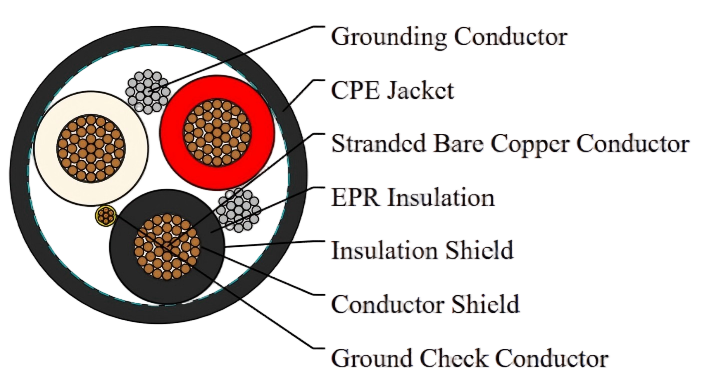
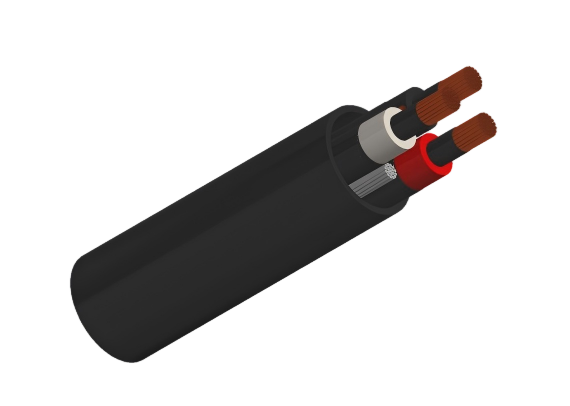
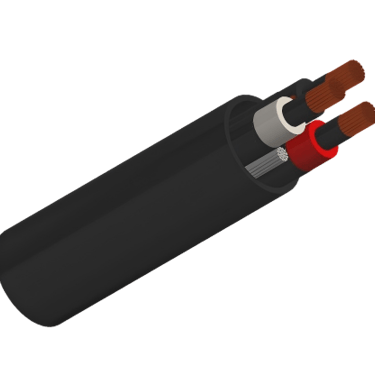
Designed as a medium-voltage power distribution cable, the MP-GC configuration incorporates three primary copper conductors with comprehensive shielding, complemented by dedicated ground check and grounding conductors that enhance both safety and monitoring capabilities. The cable features EPR insulation for superior dielectric performance and a robust CPE jacket that provides exceptional resistance to the mechanical stresses, chemical exposures, and environmental conditions typical of mining applications.
This mine power feeder cable serves as a critical link in power distribution systems, connecting mobile mining equipment, fixed installations, substations, and various processing facilities throughout mining complexes. Its versatility allows installation in multiple configurations including direct burial, conduit, duct, cable tray, and open-air routing in both underground workings and surface facilities.
Key Features and Benefits
The MP-GC three-conductor design delivers several essential advantages for mining power distribution. As a high-reliability 25kV mine power feeder cable, it provides consistent electrical performance for both mobile and stationary mining equipment, ensuring uninterrupted operation of critical systems including haulage equipment, ventilation fans, pumping stations, and processing machinery.
The durable CPE outer jacket serves as the cable's primary defense against the harsh conditions encountered in mining environments. Chlorinated Polyethylene exhibits excellent mechanical strength, abrasion resistance, and resilience against the oils, greases, and chemical agents commonly present in mines. This jacket material maintains its protective properties across a wide temperature range and resists degradation from moisture exposure, making it ideal for both wet underground workings and surface installations subject to weather extremes.
Beneath the protective jacket, EPR insulation surrounds each conductor, providing superior dielectric performance essential for 25kV medium-voltage applications. Ethylene Propylene Rubber offers exceptional flexibility even at low temperatures, facilitates installation in confined spaces, and maintains stable electrical characteristics throughout its service life. The insulation system supports a maximum conductor operating temperature of +90℃, accommodating the thermal demands of continuous heavy-load mining operations while providing adequate thermal margin for overload conditions.
A distinguishing feature of the MP-GC design is the integrated ground check conductor. This dedicated monitoring circuit, insulated with yellow polypropylene for easy identification, enables continuous verification of grounding system integrity. Mining personnel can perform ground continuity tests without interrupting power delivery, significantly enhancing electrical safety programs and reducing the risk of dangerous ground faults going undetected.
The tinned copper grounding conductor provides another layer of protection and reliability. The tin coating on the copper grounding conductor significantly improves corrosion resistance in the wet, chemically aggressive environments characteristic of many mining operations. This enhanced corrosion protection ensures reliable equipment grounding over extended service periods, maintaining personnel safety and equipment protection even when cables are exposed to groundwater, mine drainage, or chemical processing solutions.
Typical Applications in Mining
The MP-GC three-conductor mine power feeder cable serves diverse applications throughout mining facilities. Primary applications include power feeder connections between units of underground and surface mine distribution systems, where the cable links substations, transformer stations, motor control centers, and major equipment installations. These inter-facility connections often span significant distances through challenging routing paths, making the cable's mechanical durability and electrical reliability essential.
Installation methods vary according to specific site conditions and operational requirements. The cable excels in installation in duct, conduit, tray, and open air configurations within mines, processing plants, and related facilities. Underground installations frequently route cables through ventilation drifts, equipment galleries, and production areas where protection from physical damage and reliable operation in dusty, humid conditions are paramount. Surface installations may include outdoor routing between buildings, across yards, and through industrial processing areas where exposure to weather, vehicle traffic, and chemical environments demands robust cable construction.
The cable's construction specifically accommodates direct burial in wet and dry locations where robust mechanical protection and moisture resistance are required. Direct burial applications in mining environments present unique challenges including ground movement from subsidence, exposure to aggressive soil chemistry, and the possibility of subsequent excavation activities. The combination of the tough CPE jacket and moisture-resistant EPR insulation system ensures the cable maintains its protective and electrical properties even when buried in these demanding conditions.
As a 25kV mining power distribution cable, the MP-GC design serves both permanent infrastructure installations and semi-mobile configurations. Permanent installations might include main distribution feeders serving fixed facilities, while semi-mobile applications could involve connections to relocatable equipment such as portable substations, mobile crushers, or equipment that advances as mining operations progress through different working areas.
Standards and Compliance
Manufacturing and design compliance with recognized industry standards ensures the MP-GC three-conductor mine power feeder cable meets stringent safety and performance requirements. The cable is designed and manufactured in accordance with ICEA S-75-381 / NEMA WC 58 specifications for medium-voltage power cables. These standards establish comprehensive requirements for conductor construction, insulation systems, shielding configurations, and overall cable performance characteristics.
The copper conductors comply with ASTM B-8 specifications for stranded annealed bare copper, ensuring consistent electrical conductivity, mechanical properties, and compatibility with standard termination practices. This standardization facilitates reliable connections and predictable performance across diverse installations.
In regions where Canadian Standards Association specifications apply, the cable meets CAN/CSA C22.2 No. 96 requirements for mine power cables. This compliance demonstrates the cable's suitability for Canadian mining operations and provides assurance that construction and performance characteristics align with nationally recognized safety standards.
The emphasis on safety and regulatory compliance reflects the critical nature of electrical power distribution in mining environments where equipment failures can have severe consequences including personnel injury, production interruptions, and significant financial losses. Compliance with these established standards provides a foundation for safe installation, operation, and maintenance throughout the cable's service life.
Construction Details
Understanding the detailed construction of the MP-GC cable illuminates how individual components contribute to overall performance. The cable begins with stranded annealed bare copper conductors that provide high electrical conductivity combined with mechanical flexibility. Stranding allows the cable to flex during installation and in-service movements without conductor damage, while the annealing process ensures optimal conductivity and reduces the risk of conductor work-hardening.
A conductor shield consisting of an extruded conducting layer surrounds each copper conductor. This semiconducting shield controls electrical stress at the conductor surface, ensuring uniform electric field distribution and preventing localized stress concentrations that could lead to insulation degradation. The smooth, conductive interface between conductor and insulation is essential for long-term dielectric reliability at 25kV operating voltages.
The Ethylene Propylene Rubber (EPR) medium-voltage insulation provides the primary dielectric barrier for the 25kV rating. EPR insulation offers excellent electrical properties including high dielectric strength, low dissipation factor, and resistance to partial discharge activity. The material's inherent flexibility and resilience to thermal cycling make it particularly suitable for mining applications where cables may experience installation stresses and operational temperature variations.
Over the insulation, an insulation shield comprising a semi-conducting layer plus copper tape serves multiple functions. The semiconducting layer provides a smooth, conductive interface with the insulation, similar to the conductor shield, ensuring uniform field distribution. The copper tape provides a low-impedance path for shield currents and serves as a reference plane for fault detection. Together, these shield components enable proper operation of ground fault protection systems and help contain electrical fields within the cable structure.
The ground check conductor featuring a copper conductor with yellow polypropylene insulation runs alongside the main power conductors. The distinctive yellow insulation allows easy identification during installation and maintenance, ensuring personnel can quickly locate the monitoring circuit for ground continuity verification tests. This conductor typically connects to ground fault monitoring systems or allows periodic manual testing of grounding system integrity.
A separate tinned copper grounding conductor provides the primary equipment grounding path. The tinning process applies a protective tin coating to the copper conductor, significantly enhancing corrosion resistance compared to bare copper. This corrosion protection is particularly valuable in mining environments where cables may be exposed to moisture, corrosive gases, or chemical solutions that would gradually degrade bare copper surfaces.
The black Chlorinated Polyethylene (CPE) jacket encapsulates the entire cable assembly, providing comprehensive mechanical protection and environmental sealing. The black color provides ultraviolet resistance for surface installations while maintaining visibility of cable routing. CPE combines toughness with flexibility, resisting tears, abrasions, and crushing forces while maintaining pliability for installation around bends and through confined spaces.
Optional Materials and Customization
Recognizing that mining operations present diverse environmental conditions and operational requirements, manufacturers offer alternative outer jacket options including CSP (Chlorosulfonated Polyethylene), PCP (Polychloroprene), NBR (Nitrile Butadiene Rubber), PVC (Polyvinyl Chloride), and TPU (Thermoplastic Polyurethane). Each jacket material provides specific advantages: CSP offers enhanced heat and ozone resistance, PCP provides excellent flame resistance, NBR excels in oil resistance, PVC offers economical moisture protection, and TPU delivers exceptional flexibility at low temperatures.
Custom designs for special mining applications accommodate variations in conductor sizes, shielding configurations, and jacket compounds tailored to specific operational requirements. Projects with unusual voltage ratings, extreme environmental conditions, or specialized equipment interfaces may benefit from engineered cable designs that optimize performance for particular applications.
Manufacturers can also provide options for specific regional standards, marking, and color codes to meet site requirements. Different mining jurisdictions may mandate specific cable markings, color identification schemes, or compliance with regional electrical codes. Customized marking and identification ensure cables integrate seamlessly with site electrical systems and support efficient maintenance practices.
Mechanical and Thermal Properties
Proper installation and operation require attention to the cable's mechanical and thermal limitations. The minimum bending radius of 12 × overall cable diameter (12×OD) ensures safe installation and handling without damaging conductors, insulation, or shielding systems. Exceeding minimum bend radius limits during installation can cause conductor distortion, insulation compression, or shield discontinuities that compromise electrical performance and reduce service life.
The maximum conductor operating temperature of +90℃ under normal service conditions establishes the thermal operating envelope. This temperature rating reflects the EPR insulation's thermal capacity and ensures the cable can carry rated currents continuously without degradation. Mining applications often involve sustained heavy loads, making adequate thermal capacity essential for reliable operation.
The cable's robust construction provides resistance to impact, crushing, and mechanical stress encountered in mines. Mining environments subject cables to vehicular traffic, equipment movements, rockfall, and inadvertent impacts from tools and materials. The combination of stranded copper conductors, resilient EPR insulation, and tough CPE jacket creates a cable assembly capable of withstanding these mechanical challenges while maintaining electrical integrity.
Installation Conditions and Recommendations
The MP-GC cable accommodates multiple installation methods, being suitable for direct burial, underground duct, conduit, cable tray, and open-air installation in mines. Each installation method presents specific considerations. Direct burial installations should provide adequate cover depth to protect against excavation damage and minimize exposure to surface loads. Duct and conduit installations must ensure adequate conductor cooling through proper fill ratios and ventilation. Cable tray installations require proper support spacing to prevent excessive sag, while open-air installations should protect against physical damage and excessive ultraviolet exposure.
The cable is designed for wet and dry locations, including tunnels, shafts, drifts, and surface facilities. Wet location applications demand attention to cable entries, terminations, and support methods to prevent moisture ingress and ensure drainage. The CPE jacket provides inherent moisture resistance, but proper installation practices including sealed terminations and appropriate support methods prevent water accumulation that could compromise long-term performance.
General installation guidelines emphasize maintaining the specified minimum bending radius, providing adequate cable support to prevent excessive mechanical stress, and protecting against mechanical damage during and after installation. Support spacing should consider the cable's weight and flexibility characteristics, typically ranging from one to two meters in horizontal runs. Vertical installations require supports at closer intervals to prevent conductor strain.
The cable demonstrates compatibility with typical mining terminations, connectors, and splicing methods for MP-GC cables. Standard medium-voltage termination kits designed for shielded EPR cables provide reliable connections to equipment and distribution systems. Proper termination procedures including shield grounding, stress relief, and environmental sealing ensure connection reliability matching the cable's inherent performance.
Safety, Monitoring, and Performance
The MP-GC design provides enhanced personnel and equipment safety through dedicated ground and ground check conductors. The separate grounding conductor ensures a reliable low-impedance path for fault currents, enabling proper operation of protective devices. The ground check conductor facilitates proactive monitoring, allowing identification of grounding system degradation before faults occur.
Continuous monitoring of ground integrity reduces the risk of electrical faults and operational downtime. Ground monitoring systems can detect increases in ground circuit resistance that indicate developing problems such as corrosion, mechanical damage, or connection degradation. Early detection enables corrective action during planned maintenance rather than after failures disrupt operations.
The cable delivers stable electrical performance at 25kV through its comprehensive EPR insulation and shielding system. The combination of conductor shielding, EPR insulation, insulation shielding, and grounding conductors creates a complete electrical system that controls electric fields, minimizes losses, and supports reliable ground fault protection. This electrical performance remains consistent across the cable's operating temperature range and throughout its service life.
By contributing to reliable mine power distribution, the MP-GC cable minimizes failures in critical operations. Power interruptions in mining environments can idle expensive equipment, interrupt production, and create safety hazards. The cable's robust construction and proven design reduce the frequency and severity of power distribution problems, supporting operational continuity.
Common Cable Issues and Solutions
Issue 1: Ground Fault Detection Challenges
Mining operations frequently face difficulties in quickly locating and identifying ground faults in distribution systems. Traditional approaches may require extensive troubleshooting across multiple cable sections.
Solution: The integrated ground check conductor in the MP-GC design enables continuous monitoring and rapid fault identification. Regular ground continuity testing using the yellow-insulated monitoring conductor allows maintenance personnel to verify system integrity proactively. When combined with ground fault detection equipment, this design significantly reduces fault location time and associated downtime.
Issue 2: Corrosion of Grounding Systems in Wet Mines
Underground mines with high groundwater levels or those processing minerals using wet methods experience accelerated corrosion of copper grounding conductors, compromising electrical safety.
Solution: The tinned copper grounding conductor specifically addresses this challenge. The tin coating provides a sacrificial barrier that significantly extends grounding conductor service life in corrosive environments. This enhanced corrosion resistance maintains reliable equipment grounding even when cables are partially or fully submerged in mine water or exposed to chemical solutions.
Issue 3: Cable Jacket Damage from Abrasion
Mining environments subject cables to continuous abrasion from rock surfaces, equipment movements, and material handling activities, causing premature jacket failure and potential exposure of insulation systems.
Solution: The CPE jacket material offers exceptional abrasion resistance compared to standard PVC or rubber compounds. For extreme abrasion environments, consideration of alternative jacket materials such as TPU or additional mechanical protection through cable trays or conduit provides enhanced durability. Proper cable routing that minimizes contact with sharp edges and moving equipment also extends service life.
Issue 4: Installation Difficulties in Confined Spaces
Underground mine workings often present restricted access and tight bending radii that complicate cable installation and increase the risk of installation damage.
Solution: The EPR insulation system maintains flexibility even at the low temperatures common in underground workings, facilitating installation through confined spaces. Adhering strictly to the 12×OD minimum bending radius prevents damage during pulls. For particularly challenging installations, pre-installation planning including route surveys, cable support pre-installation, and appropriate pulling equipment ensures successful deployment without cable damage.
Ordering Information and Technical Support
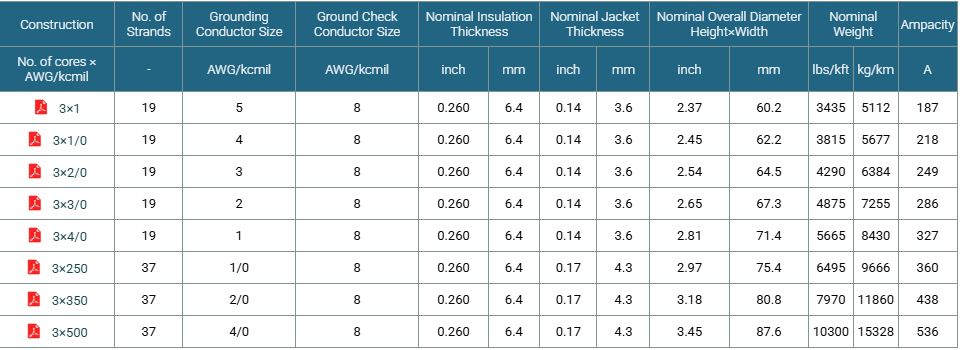
Specifying the MP-GC three-conductor mine power feeder cable 25kV requires identification of several key parameters including conductor size (typically ranging from 1/0 AWG through 500 kcmil), voltage rating (25kV in this case), jacket material preference (standard CPE or alternatives), and applicable standards (ICEA, CSA, or project-specific requirements). Clear specification ensures the supplied cable matches application requirements.
Manufacturers typically provide technical data sheets, detailed construction drawings, and test reports on request. These documents support engineering design, installation planning, and compliance verification. Test reports may include routine factory tests, type tests demonstrating standards compliance, and specialized testing for unique application requirements.
Engineering support for cable selection, system design, and installation recommendations helps ensure optimal cable performance in specific mining projects. Manufacturer technical personnel can assist with conductor sizing calculations, voltage drop analysis, short circuit capability verification, and installation method recommendations. This support proves particularly valuable for complex projects or applications involving unusual environmental conditions or operational requirements.
The MP-GC three-conductor mine power feeder cable 25kV with CPE jacket and EPR insulation represents a comprehensive solution for medium-voltage power distribution in demanding mining environments, combining proven materials, robust construction, and enhanced safety features to support reliable mining operations worldwide.
How to Reach Us
Get in Touch
SiteMap
Product Catalogue
Festoon Cable
Shore Power Cable


Scan to add us on WeChat