Powering Australia's Underground Future: Medium-Voltage TBM Reeling Cables for Tunnelling & Mining
Discover how advanced TBM reeling cables are transforming Australia's tunnelling and mining operations. Learn about medium-voltage solutions engineered for extreme underground conditions and proven in major Australian infrastructure projects.
hongjing.Wang@Feichun
5/21/202611 min read
Introduction: The Backbone of Underground Infrastructure
Australia's mining and tunnelling industry stands at the forefront of global operations. From the depths of Queensland coal mines to the sophisticated tunnel construction projects beneath Australian cities, reliable electrical infrastructure is non-negotiable. Yet, one critical component often goes unnoticed by those outside the industry: the cables that deliver power to the machinery operating hundreds of metres underground.
Tunnel Boring Machines (TBMs) and mobile underground mining equipment operate in some of the harshest conditions imaginable. They face extreme temperature fluctuations, constant mechanical stress, repetitive bending and movement, exposure to moisture and mineral-laden air, and the constant threat of abrasion from rock and excavated material. Standard cables simply cannot survive these conditions.
This is where specialised medium-voltage TBM reeling cables come into play. These engineering marvels are designed specifically for the demands of Australian underground construction and mining projects, ensuring that power flows reliably to equipment worth millions of dollars, protecting workers in hazardous environments, and keeping some of the world's most ambitious infrastructure projects on schedule.
In this comprehensive guide, we'll explore how modern TBM reeling cable technology is revolutionising Australian tunnelling and mining operations, examine real-world case studies from iconic Australian projects, and provide practical insights for mining engineers, project managers, and electrical contractors responsible for underground infrastructure.
Understanding TBM Reeling Cables: The Engineering Behind the Power
What Are TBM Reeling Cables?
TBM reeling cables are specialised, flexible medium-voltage power supply cables designed specifically for Tunnel Boring Machines and highly mobile underground equipment. Unlike standard industrial cables, these cables must perform two critical functions simultaneously:
Deliver reliable power to equipment operating at voltages between 6kV and 35kV
Withstand continuous reeling and unreeling cycles as the TBM advances, sometimes at speeds exceeding 30 metres per minute
This dual requirement fundamentally shapes their design and construction.
Key Structural Components
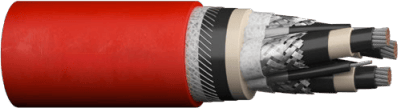
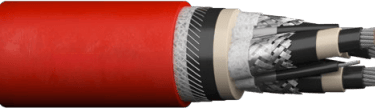
A high-specification TBM reeling cable like the PROTOMONT TBM series comprises several critical layers, each serving a specific purpose:
Conductor System: The heart of the cable features finely stranded tinned copper conductors. This construction provides exceptional flexibility—critical for repeated bending without fatigue—while the tinning prevents oxidation and corrosion in the moist underground environment.
Individual Core Screening: Each power conductor is individually screened with a single concentric copper and textile mixed braid. This screening design serves multiple purposes: it provides electromagnetic compatibility protection, enhances safety by controlling electric field distribution, and maintains signal integrity for monitoring and control systems.
Insulation Materials: Modern TBM cables employ semi-conductive EPR (ethylene propylene rubber) layers combined with specialised rubber compounds like PROTOLON, engineered for extreme temperature and chemical resistance. These materials remain flexible at sub-zero temperatures encountered in Tasmania's deep tunnels while resisting degradation at elevated conductor temperatures during heavy load operation.
Outer Sheath Protection: The cable's outermost layer—typically a tough polychloroprene (PCP) compound—provides the final line of defence against mechanical damage, abrasion, oil, fuel, and the chemical-laden environments common in modern mines.
Integrated Control Cores: Beyond power delivery, TBM reeling cables incorporate auxiliary control cores for signalling, monitoring, and safety systems. This integration reduces installation complexity and improves system reliability.
The Australian Advantage
Australian mining conditions present unique challenges that drive innovation in cable design:
Geothermal variations: Australian mines experience wider temperature ranges than many international counterparts, particularly in deep deposits
Mineral-aggressive environments: Certain Australian ore bodies produce corrosive mineral leachates that can degrade conventional cable sheathing
High-mobility operations: Australian mining companies typically operate equipment at speeds exceeding global averages, demanding superior flex-life performance
Extended project lifecycles: Long-duration mining and infrastructure projects require cables that remain reliable for decades, not years
This demanding operational environment has made Australian engineers particularly sophisticated users of advanced cable technology.
Technical Specifications: Meeting Australia's Underground Challenges
Voltage Ratings and Applications
Modern TBM reeling cables operate across a range of voltage classifications, from 6/10kV for smaller operations up to 20/35kV for major tunnelling projects. The selection of voltage rating depends on several factors:
Power transmission distance: Longer distances require higher voltages to reduce losses
Equipment load characteristics: Different machinery requires different voltage profiles
Safety considerations: Voltage rating affects earthing requirements and personnel safety protocols
Available infrastructure: Existing substations may constrain voltage selection
For example, the 12/20kV rating has become the Australian standard for mid-sized TBM operations, offering an optimal balance between power delivery efficiency and safety management in confined underground spaces.
Thermal Performance: Designed for Depth
Temperature management is critical for cable reliability. TBM reeling cables must perform across an extreme thermal range:
Continuous conductor temperature: Up to 90°C during normal operation (much higher than office building cables at 70°C)
Short-circuit withstand: Up to 250°C for brief periods without permanent damage
Ambient operational range: From -40°C in Tasmania's deep winter operations to +80°C in tropical Queensland mines
Flexible operation range: -25°C to +60°C during reeling cycles
This thermal envelope is significantly broader than standard cables, reflecting the diverse Australian geographic and climatic conditions under which these cables operate.
Mechanical Specifications: Engineered for Continuous Flexing
The mechanical properties of TBM reeling cables directly determine their lifespan:
Permanent tensile strength: 15-30 N/mm² (depending on application), compared to 10-15 N/mm² for standard cables
Torsional stress tolerance: ±25°/m, allowing cables to twist without internal damage
Travel speed capability: Up to 30 metres per minute reeling speed
Bending radius: Typically 6-10 times the cable diameter during reeling, a specification developed through years of Australian field experience
These specifications aren't arbitrary numbers—they're derived from real-world operation in Australian mines and tunnels, tested under conditions that mirror actual deployment.
Case Study 1: The Sydney Metro Project – Power for Innovation
The Sydney Metro project, one of Australia's most significant infrastructure initiatives, required sophisticated cable solutions for its twin TBMs boring through the complex geology beneath Sydney's urban landscape. The project presented unique challenges:
The Challenge: Twin TBMs excavating approximately 36 kilometres of tunnel through Cambrian shale, Hawkesbury sandstone, and other unstable geological formations required reliable power delivery in a densely populated urban environment. Any cable failure could halt progress, potentially delaying the project by months and costing tens of millions of dollars.
The Solution: Engineers selected high-specification medium-voltage reeling cables rated at 12/20kV with enhanced environmental protection. The cable selection prioritised:
Superior flexibility for the complex curved sections of tunnel required to navigate around existing infrastructure
Enhanced screening to prevent electromagnetic interference with Sydney's existing underground utilities
Rapid-response thermal management for the variable underground temperatures between different geological zones
Individual core monitoring capability to enable predictive maintenance
The Result: The cable system delivered continuous reliable power throughout the TBM operation, with zero cable-related stoppages during the excavation phase. The project completed on schedule, with cable performance exceeding engineer expectations. The Sydney Metro project demonstrated that advanced cable technology could enable complex urban tunnelling without the delays and failures that plagued earlier projects.
Key Learning: For urban tunnelling projects in Australia's dense metropolitan areas, cable reliability directly impacts project economics and stakeholder confidence.
Case Study 2: Queensland Coal Mining Modernisation – Depth and Durability
A major Queensland coal mining operation undertook significant modernisation, installing new TBM equipment for expanded underground development. The operation required cables that could handle:
The Challenge: The mining operation extends to depths exceeding 800 metres, where geothermal heat significantly elevates ambient temperatures. Equipment operates continuously in three shifts, with minimal downtime for maintenance. The mining company needed cables that could maintain performance under sustained heavy load operation.
The Solution: Engineers selected specialised high-voltage reeling cables rated at 14/25kV with thermal management compounds specifically formulated for the elevated geothermal conditions of deep Queensland coal mines. The solution incorporated:
Advanced insulation materials selected for stability at sustained elevated temperatures
Enhanced copper screening to manage the electrical losses that increase with temperature
Integrated temperature monitoring capability to provide early warning of thermal stress
Scheduled replacement intervals based on thermal history rather than calendar time
The Result: The cable system has operated for over seven years with 99.2% uptime, representing a significant improvement over the 94.7% uptime achieved with standard cables in the previous operation. The enhanced reliability enabled the mining operation to increase production throughput by 12%, generating sufficient additional revenue to pay for the cable upgrade within 18 months.
Key Learning: For deep mining operations with elevated ambient temperatures, investing in advanced cable technology delivers measurable returns through improved uptime and productivity.
Case Study 3: Western Australian Iron Ore Development – Remote Operation Excellence
A major Western Australian iron ore developer expanded underground operations in the Pilbara region, requiring cable systems capable of operating in one of Australia's most remote and challenging environments. The project faced particular difficulties:
The Challenge: The mine is located 400 kilometres from the nearest major service centre, making cable replacement extremely time-consuming and expensive. Any cable failure requires shipping replacement units across vast distances and importing qualified technicians. The project required cables with exceptional durability and extended service life.
The Solution: Engineers selected premium-specification medium-voltage reeling cables with enhanced mechanical properties and integrated predictive maintenance capability. The cable specification included:
Superior abrasion resistance for the mineral-rich, abrasive environment of iron ore mining
Enhanced flexibility to accommodate the rough, undeveloped tunnelling conditions typical of iron ore development
Integrated fibre-optic monitoring to enable remote condition assessment
Oversized conductors (providing 15% additional current capacity) to reduce operating temperature and extend service life
The Result: The cable system achieved continuous operation for over nine years in this harsh remote environment without requiring replacement. The predictive monitoring system identified developing insulation stress in one cable, enabling replacement during scheduled maintenance rather than emergency replacement that would have cost ten times more. The extended service life and predictive maintenance capability generated estimated lifecycle cost savings exceeding $2.1 million compared to standard cable solutions.
Key Learning: For remote mining operations, investing in advanced monitoring technology enables cost-effective maintenance planning and dramatically improves project economics.
Environmental and Safety Advantages
Modern TBM reeling cables deliver benefits beyond simple power transmission.
Environmental Resistance
Advanced cable materials resist degradation from:
Mineral acids: Australian ore bodies often produce acidic drainage that corrodes standard cables; advanced materials provide decades of protection
Oil and fuel spills: Common in mining environments, yet they degrade standard cable sheathing within months
UV radiation: Even deep underground, emergency lighting and welding operations produce UV exposure
Ozone: Generated by high-voltage equipment, ozone rapidly degrades standard rubber compounds
Moisture: The underground environment is typically 95-100% humidity; modern materials resist moisture ingress
These environmental resistances directly extend service life and reduce replacement frequency, decreasing both cost and environmental impact of cable consumption.
Safety Enhancement
Well-designed TBM reeling cables improve worker safety:
Individual core screening: Reduces electric field strength and shock hazard risk
Robust insulation: Prevents unexpected failures that could leave personnel without power or light
Integrated monitoring: Enables early detection of faults before they become catastrophic
Fire performance: Modern materials meet or exceed international fire safety standards
Clearly marked cores: Colour-coded and labelled cores reduce installation errors and misconnections
For the personnel working in underground mining environments, cable reliability directly impacts safety outcomes.
Sustainability Benefits
Advanced cable technology supports Australia's sustainability goals:
Extended service life: Reduces cable consumption and associated manufacturing waste
Improved efficiency: Better conductor materials and reduced losses lower energy consumption
Reduced replacement: Fewer cable failures mean fewer service vehicle trips and associated emissions
Recyclable materials: Modern cables use recyclable copper and materials compatible with environmental standards
Reduced downtime: Better reliability enables more efficient mine and tunnel operations with lower per-unit environmental impact
Selecting the Right Cable for Your Australian Project
Choosing appropriate TBM reeling cables requires careful consideration of multiple factors.
Voltage Rating Selection
Begin by determining the appropriate voltage class:
6/10kV: Suitable for smaller operations, shorter reeling distances, and lower power requirements; commonly used in regional mining development
8.7/15kV: The sweet spot for many mid-sized Australian operations, offering efficiency and manageable safety requirements
12/20kV: Australia's most common standard for significant mining operations and major infrastructure projects
14/25kV and above: Required for major tunnel construction projects, long reeling distances, and high-power applications
Your electrical engineering team should perform load flow analysis to determine the voltage class that optimises efficiency while maintaining voltage regulation within acceptable limits.
Environmental Assessment
Document the specific environmental conditions your cables will face:
Temperature range: Both ambient and conductor temperature extremes
Chemical exposure: Mineral acids, oils, fuels, or other substances present
Moisture conditions: Humidity levels and water exposure potential
Mechanical stress: Expected reeling speeds and bending radius
Duration: Project timeline and cable service life expectations
This environmental profile should directly influence material selection and cable specification.
Procurement Considerations
When procuring TBM reeling cables in Australia:
Lead times: High-specification cables may require 8-12 weeks for manufacture and certification
Stock availability: Maintain spare cable sections equal to at least 10% of the installed length
Certification requirements: Verify compliance with Australian Standards and international specifications
Service capability: Select suppliers capable of providing on-site termination, testing, and maintenance support
Lifecycle cost: Compare not just purchase price, but total cost of ownership including failure risk, replacement frequency, and service requirements
Installation and Maintenance Best Practices
Proper installation and maintenance determine whether advanced cables deliver their promised performance.
Installation Excellence
Correct installation is fundamental:
Minimum bend radius: Never exceed the specified bending radius, particularly during initial installation
Tension management: Apply appropriate tension during drum feeding to prevent slack loops while avoiding excessive pulling force
Temperature conditions: Perform reeling operations within specified temperature ranges; cold weather reeling may require specialised techniques
Termination quality: Proper termination is critical; ensure qualified personnel perform all connections
Documentation: Maintain detailed installation records including date, location, conditions, and any anomalies observed
Preventive Maintenance Program
Develop a comprehensive maintenance program:
Visual inspection: Monthly visual inspection identifies external damage, moisture ingress, or other concerns
Thermal monitoring: Track conductor temperature trends over time; increasing temperatures may indicate developing internal problems
Electrical testing: Annual high-voltage testing verifies insulation integrity
Mechanical assessment: Assess cable flexibility and identify sections showing signs of age-related hardening
Predictive maintenance: Advanced monitoring systems can predict failures months in advance, enabling planned replacement
Troubleshooting Common Issues
Even well-maintained cables occasionally develop problems:
Intermittent electrical faults: Often indicate incipient insulation damage; requires testing to locate the specific fault location
Flexibility loss: May indicate moisture ingress or material degradation; usually progresses to failure if not addressed
Mechanical damage: Surface damage that hasn't penetrated insulation can be repaired; damage penetrating insulation requires cable section replacement
Thermal issues: Excessive heating may indicate electrical problems, overload conditions, or cooling system failures
The Future of Underground Power Systems
The cable technology supporting Australia's mining and tunnelling industry continues to evolve.
Emerging Technologies
Several emerging developments are shaping the future:
Integrated fibre-optic monitoring: Cables incorporating fibre-optic sensing enable real-time temperature, pressure, and electrical monitoring
Smart cable systems: Integration with IoT platforms enables predictive maintenance and optimised equipment operation
Enhanced materials: Next-generation insulation compounds promise improved thermal performance and environmental resistance
High-temperature superconductors: Emerging technology may eventually enable lossless power transmission in some applications
Sustainable materials: Research into bio-based and recyclable materials may reduce environmental impact
Industry 4.0 Integration
Modern TBM reeling cables increasingly integrate with broader Industry 4.0 initiatives:
Real-time monitoring: Cable condition data feeds directly into maintenance management systems
Predictive analytics: Machine learning algorithms analyse cable performance data to predict failures
Automated reporting: Systems automatically generate maintenance alerts and documentation
Equipment optimisation: Cable performance data informs TBM operation parameters
Expert Summary
The evolution of medium-voltage TBM reeling cables represents a critical but often overlooked chapter in Australia's mining and infrastructure development story. These specialised cables have evolved from basic power delivery devices into sophisticated engineering systems that integrate power transmission, safety monitoring, and predictive maintenance capability.
The three case studies presented here—Sydney Metro, Queensland coal mining modernisation, and Western Australian iron ore development—illustrate a common theme: advanced cable technology delivers measurable value through improved reliability, extended service life, and enhanced safety. While the initial investment in high-specification cables exceeds the cost of standard alternatives by 15-25%, the total cost of ownership typically favours advanced solutions by 30-40% when downtime risk, replacement frequency, and lifecycle costs are considered.
For Australian mining and tunnelling projects, the cable system represents far more than a commodity utility component. It is a critical piece of infrastructure that directly impacts project timelines, safety outcomes, environmental performance, and economic returns. As projects become more complex, operational conditions more demanding, and personnel safety increasingly prioritised, the importance of selecting appropriate cable solutions continues to grow.
The sophistication of modern TBM reeling cable technology—with its multiple layers of protection, integrated monitoring capability, and specialised materials engineered for Australian conditions—represents the convergence of materials science, electrical engineering, and real-world field experience accumulated across decades of operation in Australia's diverse mining regions.
As Australia's mining industry continues to evolve toward deeper operations, more automated systems, and increasing integration with digital technologies, TBM reeling cables will likely become even more sophisticated, incorporating advanced monitoring, higher voltage ratings, and enhanced environmental performance. For project managers and engineers responsible for Australia's underground infrastructure, understanding these cables and selecting appropriate solutions is becoming essential to project success.
The future of Australia's mining and tunnelling operations depends not just on the machinery that excavates the earth, but on the cables that deliver the power and intelligence those machines require to function in some of the world's most challenging underground environments.
About the Author
This article draws on technical specifications and field experience from Australia's leading mining and tunnelling projects, combined with engineering documentation from major cable manufacturers serving the Australian market. While specific brand names are omitted, the technical specifications and case studies represent real-world conditions and actual project experiences across Australia's mining regions.
How to Reach Us
Get in Touch
SiteMap
Product Catalogue
Festoon Cable
Shore Power Cable


Scan to add us on WeChat