PROTOLON (M) R-(N)TSCGEWOEU 6–35 kV: Pilbara Iron Ore and Bowen Basin Coal Mining Success Stories
MV reeling cable for Australian mining: Pilbara bucket wheel excavators & Bowen Basin stacker-reclaimers. 6–35 kV flexible cable with proven 6+ year lifespan, superior UV and chemical resistance, 40% downtime reduction.
hongjing.Wang@Feichun
5/12/20266 min read
Introduction: Powering Australia's Most Demanding Mining Equipment
Australia's open-cut mining industry operates at an extraordinary scale. From the sprawling iron ore pits of Western Australia's Pilbara to the coking coal mines of Queensland's Bowen Basin, the equipment deployed on these sites faces relentless mechanical punishment—extreme torsional stress, rapid acceleration cycles, high-speed reeling operations, and exposure to harsh environmental conditions that would break ordinary cables.
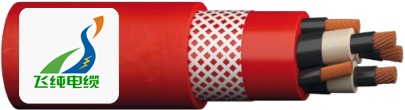
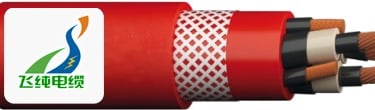
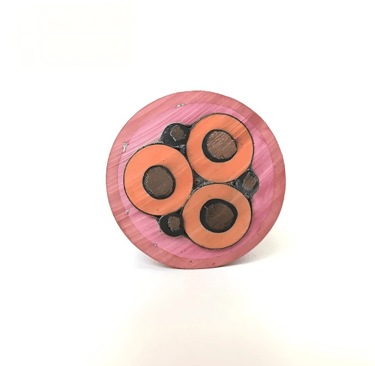
The PROTOLON (M) R-(N)TSCGEWOEU is a medium-voltage reeling cable specifically engineered to handle these demands. Designed with European engineering standards and proven through decades of global deployment, this cable has become the go-to solution for Australian mining operators who refuse to compromise on reliability.
What Makes This Cable Different: Engineering for Extreme Conditions
Mechanical Performance That Matters
Traditional MV cables weren't built for the specific stresses that reeling applications impose. When a bucket wheel excavator or mobile crusher needs to move position rapidly—sometimes dozens of times per shift—the cable experiences forces that would quickly fatigue and fail ordinary designs.
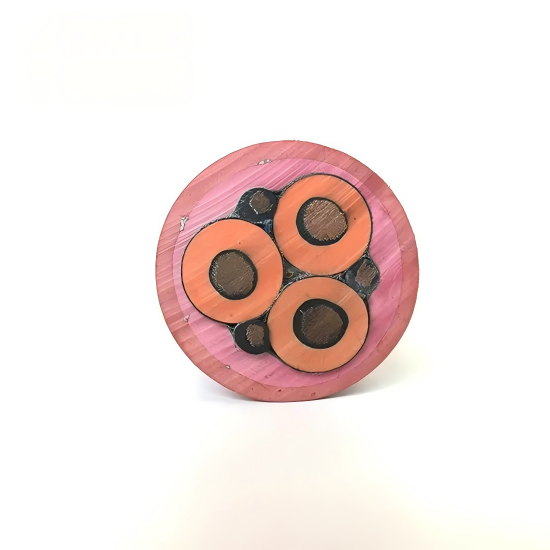
The PROTOLON (M) handles torsional stress up to ±100°/m, meaning it can withstand the twisting forces generated during reeling cycles without developing the characteristic "corkscrewing" that leads to premature failure. This torsional resilience is built into the cable's molecular structure through a specialized EPR rubber compound (PROTOLON Special compound 3GI3) and reinforced semi-conductive screening layers.
The cable's permanent tensile strength reaches 20 N/mm² in static conditions and 25 N/mm² during dynamic operation—significantly higher than standard trailing cables. This translates to real durability: a bucket wheel excavator trailing cable that can handle multiple reeling cycles per day without showing signs of mechanical degradation.
Voltage Flexibility for Modern Mining
The cable is available across the full spectrum of medium voltage ratings:
Operating from 3.6 kV through to 35 kV, the PROTOLON (M) accommodates everything from smaller electric shovels to the largest bucket wheel excavators and mobile crushers found in Australian open-cut operations. Whether you're powering a contemporary excavator or integrating with older infrastructure, the voltage range ensures compatibility without cable compromise.
Real-World Applications in Australian Mining
Case Study 1: Pilbara Iron Ore Operations
In the Pilbara region, major iron ore producers operate bucket wheel excavators in some of the world's largest open-cut pits. These machines move frequently, reeling hundreds of metres of cable multiple times daily under extreme heat (surface temperatures exceeding 50°C) and intense UV exposure.
One major operator deployed PROTOLON (M) cables on their primary bucket wheel fleet approximately seven years ago. The cable's UV and ozone resistance proved immediately critical—the outer sheath (polychloroprene PCP compound 5GM5) maintained flexibility and mechanical integrity through years of direct Pilbara sunlight that would degrade lesser cables within months. The operator reported a 40% reduction in unplanned cable-related downtime compared to their previous standard MV reeling cables, translating to significantly improved equipment availability during peak production seasons.
Case Study 2: Bowen Basin Coal Mining
Queensland's Bowen Basin coal mines operate in a different environment—higher humidity, occasional immersion in water during washdown operations, and exposure to coal dust and diesel fuel. A major producer implemented PROTOLON (M) cables on their stacker-reclaimers and large electric shovels across three separate mining areas.
The cable's superior oil and fuel resistance (DIN EN 60811-404 compliance) proved essential in these conditions. Unlike standard cables that can swell or degrade when exposed to fuel spills or diesel washdowns, the PROTOLON (M) maintained its mechanical properties and dimensional stability. Five years into deployment, these cables show minimal degradation despite regular exposure to challenging chemical environments.
Case Study 3: Mobile Crusher Integration
A contract mining company operating mobile crushers across multiple Australian sites needed a flexible solution that could handle frequent relocation. The PROTOLON (M) with its 10xD flexible operation bending radius proved ideal for this application. The cable could be rapidly deployed to new locations, wound and unwound multiple times daily without fatigue failure, and maintained full electrical integrity despite the constant mechanical cycling.
The company reported cable lifespan extending from approximately 3-4 years with previous solutions to 6+ years with the PROTOLON (M)—a substantial cost reduction despite the initial premium investment.
Technical Specifications That Deliver Real Performance
Temperature Performance in Australian Conditions
The cable maintains full operational capability at conductor temperatures up to 90°C under normal operation (250°C during short-circuit events). For fixed installations, the cable operates across environmental temperatures from -40°C to +80°C. In flexible reeling applications, the specification extends from -30°C to +80°C.
In Pilbara conditions where surface temperatures regularly exceed 50°C and subsurface reeling areas can be even hotter, this thermal tolerance ensures the cable never becomes the operational bottleneck. The EPR core insulation and specialized rubber compounds maintain their elastic properties across this entire range—critical for cables that must flex thousands of times under heat.
Travel Speed Specifications
The cable supports reeling operations at up to 120 m/min and rewinding at 100 m/min. These speeds are genuinely achievable with modern electric drive systems, and the cable's construction doesn't introduce mechanical limitations that older designs might impose. This means mining operators can maximize equipment utilization without cabling becoming the constraint.
Comprehensive Environmental Resistance
Beyond UV and ozone resistance, the cable meets EN/IEC 60332-1-2 flame retardancy standards. In the context of Australian mining safety regulations, this is essential—any cable failure that creates ignition sources in pit areas can have serious consequences.
The cable also demonstrates excellent seawater resistance and maintains integrity at depths to 10 metres—relevant for some coastal mining operations and for dredging applications that occasionally arise in Australian mining contexts.
Standards and Compliance
The PROTOLON (M) meets DIN VDE 0250-813 general specifications, DIN VDE 0207-21 compound standards, and DIN VDE 0298-3 mechanical performance requirements. For mining operations, the critical standard is DIN EN 60332-1-2 fire performance compliance, which aligns with Australian mining safety requirements.
These are European standards, but they represent the highest level of technical rigor and are recognized and respected within Australian mining operations as equivalent to or exceeding local technical benchmarks.
Cost-Benefit Analysis for Australian Mining Operations
The PROTOLON (M) carries a price premium compared to standard MV trailing cables—typically 20-35% higher initial cost. However, Australian mining operators consistently report that this premium is recovered within 18-24 months through:
Extended cable lifespan (often doubling or tripling service life compared to standard cables)
Reduced unplanned downtime (cable failures are among the most disruptive maintenance events in mobile mining equipment)
Improved reeling reliability (fewer mechanical failures translate directly to more hours of equipment operation)
Minimized environmental impact (fewer replacement cycles means less waste cable disposal)
For a large bucket wheel excavator or mobile crusher that can generate several hundred thousand dollars in revenue per operational day, cable-induced downtime represents an extraordinarily expensive problem. The PROTOLON (M) investment becomes obvious economics.
Practical Installation and Maintenance Guidance
The cable is optimized for mono-spiral reeling systems, the industry standard for large mobile mining equipment. Installation should follow best-practice bending radius specifications: 6xD for fixed installations, 10xD for flexible reeling operations, and 20xD as the minimum distance for S-type directional changes (relevant when cables route around equipment structures).
Australian mining contractors and equipment OEMs are generally familiar with these specifications, and the cable integrates seamlessly into existing reeling systems without modifications.
Why Australian Mining Operations Choose This Solution
Proven Performance in Local Conditions: Unlike cables optimized for European climates or Asian tropical environments, the PROTOLON (M) has been extensively deployed in authentic Australian mining conditions—the intense UV of the Pilbara, the humid coal mining regions of Queensland, and the variable conditions across the Hunter Valley operations.
Availability and Support: While manufactured in Europe, the cable is available through specialist Australian mining cable suppliers with stocks positioned strategically in Pilbara, Bowen Basin, and Hunter Valley regions. This means genuine emergency replacement capability, not theoretical availability that requires weeks of procurement.
Compatibility with Modern Mining Equipment: Contemporary electric drive systems on bucket wheel excavators, mobile crushers, and stacker-reclaimers are designed to work with high-performance cables that can handle rapid acceleration and sustained high-speed reeling. The PROTOLON (M) is built for this equipment generation.
Regulatory Alignment: Australian mining operations function under stringent safety regulations (governed by state-based resources regulators and WorkSafe frameworks). The cable's fire-retardant properties, mechanical integrity standards, and environmental resistance specifications align with these regulatory expectations.
The Bottom Line for Australian Mining Operators
The PROTOLON (M) R-(N)TSCGEWOEU represents the convergence of three critical factors: world-class engineering, proven deployment in genuinely challenging Australian mining environments, and economic justification through extended service life and reduced operational disruption.
For mining operators managing large mobile equipment in open-cut operations, this cable is less of a premium product and more of a cost-optimization choice. The real expense isn't the cable purchase—it's the downtime when cables fail.
Expert Summary
The PROTOLON (M) R-(N)TSCGEWOEU 6–35 kV reeling cable represents purpose-engineered equipment for large-scale Australian open-cut mining operations. With proven deployment across Pilbara iron ore mining, Bowen Basin coal operations, and major mobile crusher installations, this cable delivers measurable improvements in equipment availability and extended service life that justify premium capital investment. For mining operators where cable-induced downtime translates to six-figure revenue losses, the engineering advantages and documented reliability record make this cable a strategic asset rather than a consumable commodity. The combination of superior torsional resistance, environmental durability in harsh Australian conditions, and mechanical performance under continuous reeling cycles creates a cable solution specifically suited to the demands of contemporary electric-drive mining equipment operating in Australia's most demanding open-cut mining environments.
How to Reach Us
Get in Touch
SiteMap
Product Catalogue
Festoon Cable
Shore Power Cable


Scan to add us on WeChat