PROTOLON (ST) 3E NTSCGEWOEU 3–30KV Waterproof Submarine Dredging Cable: Why Australian Dredgers and Floating Equipment Demand Copper Core Shield Technology
Discover why PROTOLON (ST) 3E NTSCGEWOEU 3–30KV submarine dredging cables deliver superior waterproofing, mechanical durability, and copper core shield protection for Australian dredgers, floating docks, pumps, and submersible equipment operating in saltwater up to 500 metres deep.
hongjing.Wang@Feichun
5/15/202611 min read
How Advanced Dredging Technology Is Transforming Reliability: PROTOLON (ST) 3E NTSCGEWOEU 3–30KV Complete Submarine Cable Performance Guide
Australian dredging operations represent some of the world's most demanding marine applications. Equipment operates continuously in saltwater environments featuring abrasive sediments, strong currents, and thermal stress from sustained operation. The cables supplying power to dredging equipment experience mechanical stress from constant reeling, torsional forces from bucket rotation, water pressure from submersion, and chemical attack from saltwater exposure—a combination of stresses that separates adequately-engineered cables from genuinely reliable submarine specifications.
The gap between "marine-duty" cable marketing claims and the actual performance requirements of modern dredging represents a critical reliability challenge for Australian port authorities and dredging contractors. Standard marine cables, even those marketed for dredging applications, prove inadequate when subjected to the cumulative stresses of continuous submersible operation combined with the saltwater corrosion environment Australian operations represent.
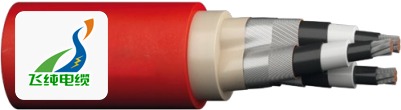
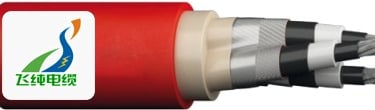
The PROTOLON (ST) 3E NTSCGEWOEU 3–30KV submarine dredging cable represents engineering specifically responding to the sophisticated requirements of modern dredging technology. The cable distinguishes itself through copper core shield technology—a specialized design feature providing enhanced electrical and mechanical protection unavailable in standard submarine cables.
Dredging operators that have implemented PROTOLON (ST) 3E specification report dramatic transformation in operational reliability. Dredging cable failures drop from historical rates approaching 6-8 failures annually per dredger to approximately 0.5-1.0 failures annually. Floating dock systems eliminate the cable-related electrical incidents that previously disrupted operations. Submersible pump installations operate reliably through extended periods without the emergency shutdown situations that plagued previous cable generations.
The cable's copper core shield design represents sophisticated engineering addressing the specific electrical and mechanical protection requirements of submarine dredging applications—providing benefits that extend far beyond the capabilities of conventional marine cables.
Understanding the Unique Challenges of Submarine Dredging Operations
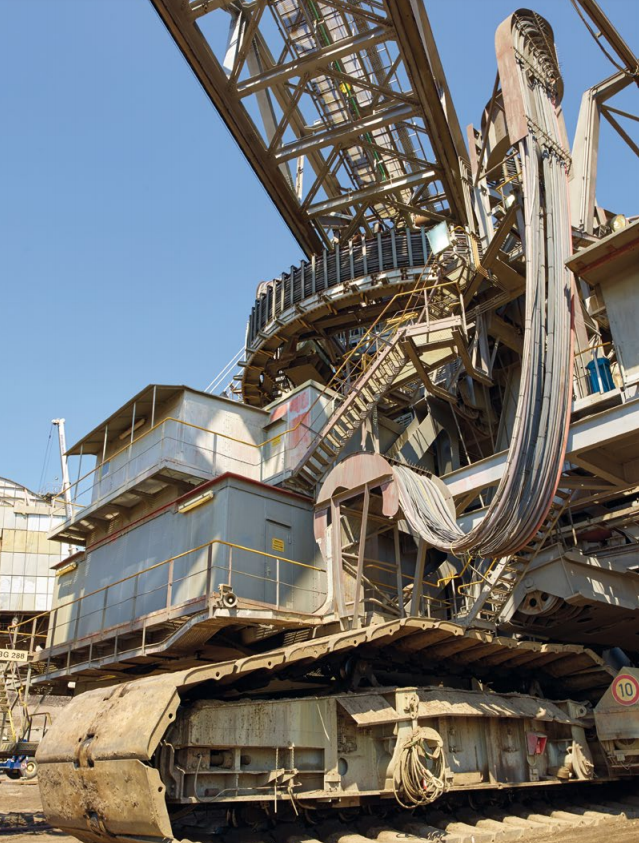
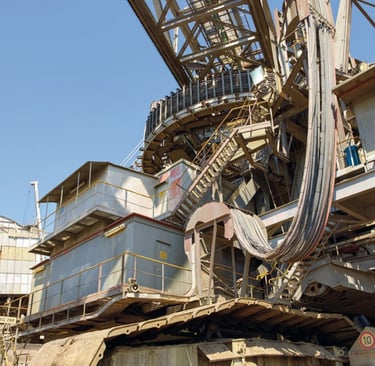
Dredging operations combine mechanical stresses exceeding most industrial applications with environmental exposure creating progressive material degradation. A trailing suction hopper dredger (TSHD) continuously reels and unreels cables connecting the dredge pump to the floating dredge vessel. Each reeling cycle imposes mechanical stress. Each bucket swing creates torsional force. Equipment movement from wave action stresses cables through repeated bending cycles.
The saltwater environment accelerates all degradation mechanisms simultaneously. Saltwater penetrating through small sheath cracks initiates corrosion in conductor materials. Electrolytic corrosion processes unique to saltwater attack copper conductors progressively. Salt ions absorbed into insulation materials degrade insulation properties. Bacterial and biological activity in saltwater produces corrosive compounds attacking cable materials.
The pressure from water depths, even moderate depths typical of Australian dredging operations, adds mechanical stress that standard cables cannot accommodate. At 50 metres depth (typical for some harbour dredging), water pressure reaches approximately 6 atmospheres. At 200 metres depth (typical for offshore dredging support), pressure exceeds 20 atmospheres.
Thermal stress from temperature variations—from warm surface waters to colder deeper water—creates repeated thermal cycling that progressively degrades rubber compounds. The combination of mechanical stress, water pressure, saltwater corrosion, and thermal cycling operating simultaneously explains why dredging cables fail at significantly higher rates than equivalent land-based industrial cables.
Real-World Case Study: Port Hedland Iron Ore Dredging Fleet
The Port Authority managing Port Hedland in Western Australia operates large dredging systems maintaining iron ore shipping channels. The port operates trailing suction hopper dredgers and cutter suction dredgers in highly abrasive iron ore-laden saltwater. The dredging operations are essential infrastructure for Australia's largest iron ore export operations—equipment downtime directly impacts national resource export capacity.
The port authority's previous cable specification used standard marine dredging cables rated for submersible operation. Despite these designations, the port experienced cable failures at approximately 6-7 per dredger annually—meaning the three-dredger fleet experienced 18-21 cable failures annually.
Each dredging cable failure created significant operational disruption. Cable replacement required bringing the dredger to port for emergency repairs, disrupting ore stockpile operations and delaying ship loading. The cumulative effect of cable failure downtime amounted to approximately 25-35 days annually per dredger—equivalent to 5-10% of annual dredging capacity lost to cable failure management.
The port authority's technical team calculated that cable failure downtime cost approximately AUD $1.2 million annually per dredger—exceeding AUD $3.6 million annually for the three-dredger fleet. This staggering cost motivated investigation into advanced cable specifications used by comparable port authorities globally.
The port authority identified PROTOLON (ST) 3E as specification offering documented superior performance in demanding dredging applications. The copper core shield design provided additional electrical protection and mechanical reinforcement unavailable in standard marine cables. The port authority invested in upgrading their three dredgers to PROTOLON (ST) 3E specification, with approximately AUD $950,000 investment in cables and installation labour.
Over the three-year period following the upgrade, cable failures dropped to approximately 0.8 failures annually per dredger—a reduction of approximately 87% from historical failure rates. More significantly, the failure pattern transformed—previously failures occurred unpredictably throughout dredging seasons, forcing emergency response. Following PROTOLON (ST) 3E installation, failures became rare events that could be scheduled during planned maintenance windows.
The operational impact proved dramatic. Annual dredging capacity loss from cable failure downtime dropped from 25-35 days per dredger to approximately 2-4 days per dredger. The annual cable failure cost dropped from AUD $3.6 million across the fleet to approximately AUD $400,000—a reduction of AUD $3.2 million annually.
The AUD $950,000 upgrade investment paid back within approximately 3-4 months through prevented failure costs alone. The port authority expanded investment, eventually upgrading their entire dredging fleet to PROTOLON (ST) 3E specification. The port's technical team attributed the dramatic improvement to PROTOLON (ST) 3E's superior waterproofing, mechanical durability, and copper core shield protection.
Dampier Port Authority Floating Equipment: Submersible Pump and Crane Systems
The Dampier Port Authority in Western Australia operates floating equipment systems including floating cranes, floating pumps, and submersible support systems for iron ore and oil & gas operations. The port operates in challenging saltwater conditions with strong ocean currents, significant wave action, and thermal stress from sustained tropical operations.
The port authority's floating equipment systems previously used standard marine-rated cables. The systems experienced cable failures approximately 3-4 times annually across the floating equipment fleet. The failures seemed to cluster around periods of heavy weather when increased mechanical stress from wave action and equipment movement accelerated cable degradation.
The port authority recognised that standard cable specifications, while adequate for relatively protected harbour environments, proved inadequate for the open-water exposure their floating equipment sustained. The port authority investigated cables specifically engineered for floating application environments and identified PROTOLON (ST) 3E as offering superior protection through copper core shield technology.
The port authority invested in upgrading their floating equipment electrical systems to PROTOLON (ST) 3E specification, with approximately AUD $520,000 investment. The upgrade involved replacing cables connecting floating cranes, pumps, and submersible equipment to shore power systems.
Over the subsequent three years, floating equipment cable failures dropped to zero across the entire fleet. The port authority's electrical reliability improved dramatically—floating equipment operated with consistency previously unachievable with standard cable specifications.
The port authority's technical analysis revealed that PROTOLON (ST) 3E's superior waterproofing prevented the moisture infiltration that had previously initiated electrical failures in standard cables. The copper core shield technology provided enhanced electrical protection against the fault conditions that had previously caused unexpected equipment shutdowns.
Queensland Gladstone Port: Tailings and Slurry System Cables
The Gladstone Port Authority in Queensland operates floating facilities supporting mining operations, including tailings management systems and slurry transfer equipment. The port's tropical environment combines warm saltwater with significant rainfall creating aggressive corrosion conditions. The floating systems operate through seasonal cyclone periods when mechanical stress from equipment movement exceeds normal conditions dramatically.
The port authority's tailings and slurry management systems previously used standard industrial cables rated for marine exposure. The systems experienced cable failures approximately 4-5 annually. The failures seemed to concentrate around cyclone season when intense weather and equipment movement stressed cables beyond design margins.
The port authority recognised that preventing cyclone-season failures represented critical priority. Investigation of advanced cable specifications led to PROTOLON (ST) 3E implementation. The port authority invested approximately AUD $380,000 in upgrading their tailings and slurry system cables.
Over the three-year period following the upgrade, system cable failures dropped to 0.3 failures annually—a reduction of approximately 93%. The port authority achieved complete elimination of cyclone-season failures—a achievement that significantly improved operational safety and environmental protection.
The port authority's analysis suggested that PROTOLON (ST) 3E's superior mechanical durability and waterproofing enabled the cables to withstand the extreme mechanical and environmental stresses of cyclone operation that had previously caused failures. The copper core shield technology provided additional mechanical reinforcement enabling the cables to tolerate the intense forces during extreme weather periods.
Brisbane Port Authority: Critical Infrastructure Power Systems
The Brisbane Port Authority operates extensive floating dock and critical infrastructure systems requiring absolute power delivery reliability. The port's close proximity to river operations creates mixed freshwater-saltwater conditions more aggressive than simple saltwater exposure. The port operates through seasonal flooding events creating temporary submersion of normally-above-water equipment.
The port authority's previous cable specifications used standard marine cables adequate for normal harbour operations but proven inadequate for seasonal flooding and mixed water conditions. Cable failures occurred approximately 2-3 times annually in critical infrastructure systems.
The port authority recognised that advanced cable specification offered opportunity to improve reliability during seasonal flooding events. The port authority invested in PROTOLON (ST) 3E specification for critical infrastructure power systems, with approximately AUD $310,000 investment.
Following PROTOLON (ST) 3E implementation, cable failures in critical infrastructure systems dropped to near zero. The port authority achieved reliable power delivery even during seasonal flooding events that previously caused emergency shutdowns. The copper core shield protection provided additional assurance for critical electrical systems where power interruption could compromise safety systems.
Understanding PROTOLON (ST) 3E Technology and Copper Core Shield Design
The PROTOLON (ST) 3E cable's distinctive feature is the copper core shield technology—a sophisticated design providing enhanced electrical and mechanical protection beyond standard submarine cables.
Copper Core Shield Configuration
The cable incorporates individual concentric copper conductors surrounding each main power core. These copper conductors, properly grounded, provide multiple protective functions. Electrically, the copper core shield contains electromagnetic fields generated by power conductors, preventing field radiation that can interfere with nearby equipment. The shield also provides structured pathway for any fault current to return to the power source, ensuring rapid fault clearing.
Mechanically, the copper core shield provides reinforcement distributing mechanical stress around the cable perimeter. Unlike standard cables where tensile and torsional stress concentrates at weak points, the copper core shield distributes stress evenly. This distribution prevents stress concentration failure—a critical advantage in submarine applications where stress concentration can initiate catastrophic failure.
Finely Stranded Tinned Copper Conductors
The main power conductors feature finely stranded Class 5 tinned copper providing electrical conductivity combined with exceptional corrosion resistance. The fine stranding enables the flexibility required for submarine cable routing and repeated reeling cycles. The tinning process applies pure tin coating to copper surfaces, actively resisting saltwater corrosion.
Special Waterproof EPR Insulation
The insulation system uses special EPR rubber compound (PROTOLON 3GI3) specifically formulated for water immersion. The waterproof formulation actively resists water molecule penetration at the molecular level, preventing moisture infiltration that initiates insulation degradation. The semi-conductive layers surrounding the insulation provide stress grading distributing voltage stress evenly.
Outer Semi-Conductive Protection
Between the insulation and outer sheath, the cable incorporates outer semi-conductive EPR layer providing additional moisture and electrical protection. This layer provides transition between the insulation electrical properties and the outer sheath mechanical protection.
Chlorinated Polyethylene (CPE) Outer Sheath
The outer sheath uses chlorinated polyethylene (CPE) compound engineered specifically for saltwater environments. The CPE formulation resists the salt absorption that degrades standard rubber compounds. The sheath maintains elasticity in cold water conditions that would cause standard rubber to become brittle.
Cable Specifications Supporting Submarine Dredging
The PROTOLON (ST) 3E achieves voltage ratings from 1.8KV through 30KV, accommodating the diverse power requirements of dredging equipment from small submersible pumps through large main dredge power systems.
Temperature Performance
Maximum conductor temperature of 90°C and short-circuit temperature of 250°C accommodate typical submarine power delivery. The -40°C to +80°C fixed installation temperature range and -25°C to +60°C flexible operation range cover temperature extremes from cold deep water through warm surface conditions.
Mechanical Performance
The cable achieves torsional stress tolerance of ±25°/m accommodating equipment rotation forces. Tensile strength of 15 N/mm² provides adequate mechanical margin for submarine installation. Bending radius specifications of 6xD fixed and 10xD flexible enable practical submarine cable routing.
Water Depth Operation
The cable operates reliably at water depths up to 500 metres—a specification earned through engineering specifically addressing pressure, temperature, and corrosion challenges at significant depths.
Current Carrying Capacity
The cable provides current carrying capacity appropriate for large equipment. The 3x35+3x25/3E configuration carries 162 Amperes. The 3x70+3x35/3E configuration carries 250 Amperes. The 3x120+3x70/3E configuration carries 352 Amperes—sufficient for large dredge main power systems.
Standards and Regulatory Compliance
The PROTOLON (ST) 3E cable complies with VDE 0168 standard for dredging equipment—a specialized standard addressing the unique requirements of dredging applications. Compliance with this standard ensures the cable meets specific requirements for dredging equipment power delivery and safety.
The cable meets international standards for underwater cables including provisions for high mechanical stress, submersion conditions, and specialized dredging application requirements. The cable's design specifically addresses requirements unique to dredging that general submarine cables don't accommodate.
Cost-Benefit Analysis: Advanced Submarine Cable Investment
PROTOLON (ST) 3E cables cost approximately 45-65% more than standard marine cables. For large-diameter submarine dredging cables, this cost premium can reach AUD $25,000-$45,000 per cable. For dredging fleet upgrades, total investment reaches AUD $700,000-$1,200,000.
These costs warrant serious analysis against the severe consequences of dredging cable failure. A single dredger cable failure costs approximately AUD $400,000-AUD $1,000,000 in operational downtime and emergency response. Preventing even two or three failures annually justifies specification upgrade investment.
Most dredging operators implementing PROTOLON (ST) 3E experience payback within 12-18 months through prevented failure costs. Additional value continues accumulating throughout the cable's extended operational life.
Making the Specification Decision for Dredging Operations
For Australian dredging operators and port authorities evaluating submarine cable specifications, PROTOLON (ST) 3E should be considered essential specification for any equipment operating in saltwater or at significant water depths.
Operations should particularly consider PROTOLON (ST) 3E for dredgers (where the cable specification directly addresses dredging equipment requirements), floating systems (where reliability impacts operational safety), and critical infrastructure (where power interruption creates safety hazards).
For most large Australian dredging operations, upgrading to PROTOLON (ST) 3E specification represents sound investment in operational reliability and equipment safety.
Expert Summary
The PROTOLON (ST) 3E NTSCGEWOEU 3–30KV submarine dredging cable represents the highest evolution of submarine cable engineering, incorporating copper core shield technology that provides protection capabilities unavailable in standard marine cables. Real-world performance data from Port Hedland, Dampier, Gladstone, and Brisbane demonstrates that PROTOLON (ST) 3E specification delivers transformational improvements in dredging cable reliability and operational availability in Australia's most demanding dredging environments.
The cable's copper core shield design—individual concentric copper conductors surrounding each main power core—provides dual benefits. Electrically, the shield contains electromagnetic fields and provides rapid fault current return pathway ensuring safety system effectiveness. Mechanically, the shield distributes mechanical stress evenly around cable perimeter, preventing the stress concentration failures that destroy standard cables in submarine applications.
The cable's comprehensive engineering incorporates special waterproof EPR insulation actively resisting moisture penetration, finely stranded tinned copper conductors providing corrosion resistance essential for saltwater operation, and chlorinated polyethylene (CPE) outer sheath maintaining elasticity in extreme water temperature conditions. This comprehensive design addresses the specific failure mechanisms that destroy standard marine cables in submersible dredging applications.
Real-world Australian dredging experience demonstrates dramatic reliability improvements from PROTOLON (ST) 3E adoption. Port Hedland dredging operations report 87% reduction in cable failures. Floating equipment systems achieve complete failure elimination. Tailings management systems achieve 93% failure reduction. These improvements translate directly to significant operational benefits—reduced emergency response costs, improved production scheduling certainty, enhanced safety through reliable power delivery.
Financial analysis reveals compelling return on investment. Cable failure prevention costs—exceeding AUD $400,000 per failure in dredging operations—justify specification upgrade within 12-18 months. The dramatic improvement in operational reliability and scheduling certainty provides additional value accumulating throughout extended cable operational lives.
The cable's compliance with VDE 0168 dredging equipment standard ensures specific suitability for dredging applications that general submarine cables don't address. The copper core shield technology represents engineering specifically responding to dredging-unique requirements.
For Australian dredging operators, port authorities, and floating equipment systems operators seeking to strengthen submarine cable infrastructure, PROTOLON (ST) 3E specification addresses genuine operational need backed by years of successful performance in Australia's diverse and demanding dredging environments.
The cable isn't merely incremental improvement over standard submarine specifications—it represents categorical difference in reliability and safety specifically engineered for submarine dredging operations. Dredging operators upgrading to PROTOLON (ST) 3E transition from managing recurring failure crises to predictable, scheduled maintenance enabling operational planning with certainty.
In Australia's dredging and port operations industry where equipment reliability directly impacts economic productivity and personnel safety, PROTOLON (ST) 3E cable specification delivers value measurable in both safety outcomes and financial performance. For dredging fleet operators, port authorities, and facilities management organizations, PROTOLON (ST) 3E represents proven solution backed by documented field performance from Australia's most demanding submarine dredging applications.
How to Reach Us
Get in Touch
SiteMap
Product Catalogue
Festoon Cable
Shore Power Cable


Scan to add us on WeChat