SPREADER REEL PUR-HF D12YST11YU11Y: Comprehensive Guide to Vertical Reeling Cable for High-Stress Applications
Flexible low voltage SPREADER REEL PUR‑HF D12YST11YU11Y PUR sheathed cable for vertical reeling, engineered for high mechanical stresses in spreader applications.
hongjing.Wang@Feichun
11/28/202513 min read


Introduction to Vertical Reeling Cable Applications
In the demanding environment of modern container terminals and heavy material handling operations, the selection of appropriate cabling solutions can significantly impact operational efficiency and safety. The SPREADER REEL PUR-HF D12YST11YU11Y represents a specialized category of flexible low voltage cable designed specifically for vertical reeling applications where conventional cables would fail prematurely.
This 600/1000V cable features advanced polyurethane (PUR) sheathing that provides exceptional mechanical durability while maintaining the flexibility required for continuous vertical motion. The halogen-free and flame-retardant properties ensure compliance with modern safety standards, while the innovative design with an integrated aramid strain element enables the cable to handle tensile loads that would compromise standard cables.

Understanding the Application Environment
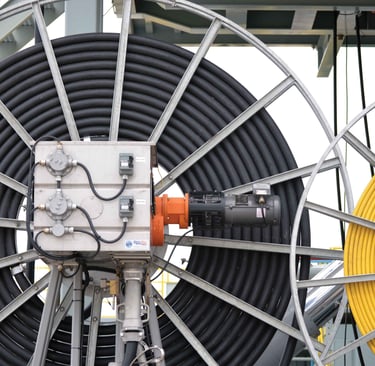
Vertical Reeling in Container Handling
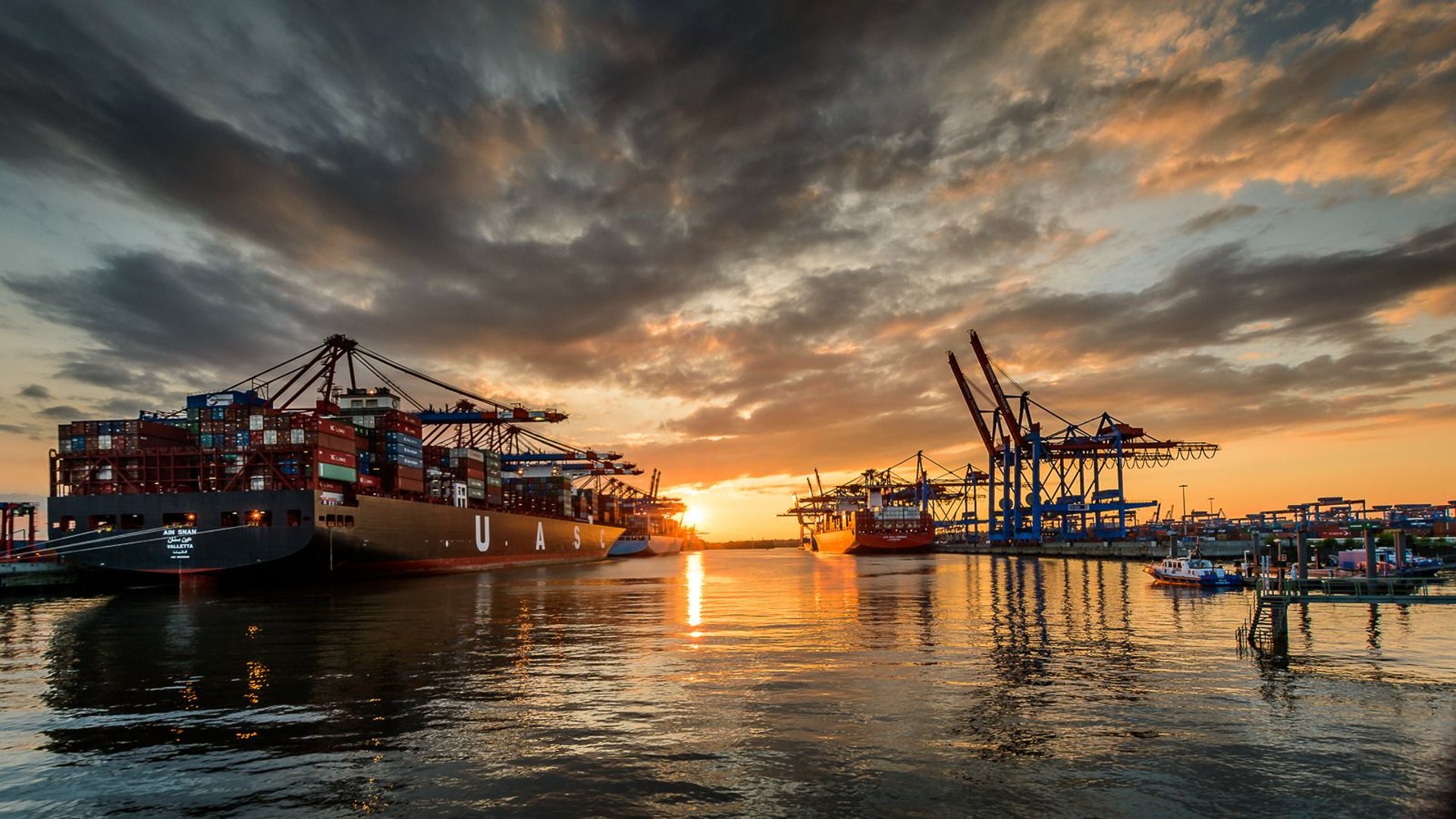
Vertical reeling applications are among the most challenging cable deployment scenarios in industrial settings. In container crane operations, cables must be continuously raised and lowered as the spreader moves between ground level and heights of 30 meters or more. This constant vertical motion subjects cables to cyclical mechanical stresses that can rapidly degrade poorly designed cables.
The spreader itself—the lifting mechanism that grips containers—requires reliable electrical connections for control systems, sensors, and power distribution. Traditional cable designs often fail in this environment due to the combination of tensile stress, repeated bending cycles, and exposure to harsh environmental conditions. This is where the SPREADER REEL PUR-HF D12YST11YU11Y excels, as it has been engineered specifically to withstand these demanding conditions.
Critical Requirements for Vertical Reeling Applications
Successful vertical reeling cable installations must address several critical requirements:
Tensile Load Management: As cables are suspended vertically, they must support their own weight plus any additional dynamic loads from acceleration and deceleration. The cable construction must distribute these forces without damaging the conductors or compromising electrical performance.
Flexibility Maintenance: Despite supporting significant loads, the cable must remain flexible enough to wind smoothly onto drums and pass through sheaves without excessive bending stress. This requires careful selection of materials and conductor construction.
Environmental Resistance: Container terminals operate in challenging environments with exposure to moisture, temperature extremes, and potentially corrosive conditions. The cable insulation and sheath materials must maintain their properties across this range of conditions.


Technical Construction and Design Features
Conductor Design for Optimal Performance
The SPREADER REEL PUR-HF D12YST11YU11Y utilizes plain copper conductors manufactured to flexible class 5 standards according to DIN EN 60228 and VDE 0295. This conductor classification ensures the appropriate balance between flexibility and current-carrying capacity. The conductors are composed of multiple fine strands that allow the cable to bend repeatedly without work hardening or fracture of individual wires.
The conductor sizing in this cable type ranges from 1.5mm² for control circuits up to 35mm² for power distribution, providing versatility across different application requirements. Each conductor maintains its mechanical integrity through hundreds of thousands of bending cycles, a critical requirement for vertical reeling applications where the cable experiences continuous motion.
Insulation System
The cable employs a halogen-free compound based on polyester for conductor insulation. This material choice provides several important advantages over conventional PVC insulation. The polyester-based insulation maintains its dielectric properties across a wide temperature range and offers superior mechanical stability when subjected to repeated flexing.
The absence of halogens is particularly important in environments where fire safety is paramount. In the event of fire, halogen-free insulation does not produce corrosive and toxic gases, improving safety for personnel and reducing potential damage to nearby equipment and infrastructure.
Core Identification and Arrangement
Proper conductor identification is essential for correct installation and maintenance. The SPREADER REEL PUR-HF D12YST11YU11Y employs a logical identification system:
Cables with up to 5 cores utilize color-coding according to DIN VDE 0293-308 standards
Cables with 6 or more cores feature white insulation with black numbers printed on each conductor
This clear identification system reduces installation errors and simplifies troubleshooting during operation. The conductors are arranged with short lay length around a central aramid support element, which plays a crucial role in the cable's ability to handle vertical loads.
Central Aramid Strain Element
The integration of an aramid support element in the cable center is one of the most important features for vertical reeling applications. Aramid fibers possess an exceptional strength-to-weight ratio and excellent resistance to creep and stress relaxation. When the cable is suspended vertically, the aramid element bears the primary tensile load, protecting the copper conductors from excessive stress.
This design approach provides several benefits:
Conductor Protection: By transferring tensile loads to the aramid element, the copper conductors experience minimal stress, preventing cold working and potential fracture over time.
Reduced Elongation: The high-modulus aramid fibers limit cable elongation under load, maintaining consistent cable dimensions and performance characteristics.
Enhanced Durability: The distribution of mechanical loads between the aramid element and the cable structure improves overall durability and extends service life.
Sheath System Design
The SPREADER REEL PUR-HF D12YST11YU11Y features a sophisticated multi-layer sheath system optimized for vertical reeling applications:
Inner Sheath: A polyurethane compound provides the first layer of protection. This layer is also halogen-free and flame-retardant, creating a sealed environment for the conductors that prevents moisture ingress.
Reinforcement Layer: An open braid reinforcement adds structural integrity to the cable. This braid helps maintain the cable's cross-sectional shape during bending and provides additional resistance to tensile and torsional stresses.
Outer Sheath: The external polyurethane sheath is opaque black in color and incorporates the same halogen-free, flame-retardant properties as the inner sheath. This outer layer provides excellent resistance to abrasion, oils, and environmental exposure. The polyurethane material maintains flexibility across a wide temperature range, from -40°C to +80°C during operation.
The multiple-layer approach creates a robust cable structure that can withstand the mechanical challenges of vertical reeling while maintaining electrical performance and safety characteristics.
Electrical Performance Characteristics
Voltage Ratings and Applications
The cable is rated for 600/1000V operation, with a rated voltage specification of 0.6/1kV according to standard notation. This voltage rating makes the cable suitable for both control and power distribution circuits commonly found in container handling equipment.
The maximum permissible operating voltages are:
AC operation: 0.7/1.2kV
DC operation: 0.9/1.8kV
These voltage ratings provide adequate margin above typical operating voltages, ensuring reliable performance under normal conditions and during transient events.
Current-Carrying Capacity
Current-carrying capacity varies based on conductor size and installation conditions. The current ratings provided in the specifications follow DIN VDE 0298-4 standards, which consider factors such as ambient temperature, grouping of multiple cables, and installation method.
For example, a 4x6mm² configuration can carry approximately 53A under standard conditions, while a 5x35mm² configuration can handle 162A. These ratings assume operation at 30°C ambient temperature with the cable installed in a manner that allows adequate heat dissipation.
When planning installations, it is important to derate these values if the cable will operate at higher ambient temperatures, if multiple cables are grouped together, or if the installation method restricts cooling. A detailed engineering analysis should consider actual operating conditions to ensure the cable operates within safe temperature limits.
Electrical Testing and Quality Assurance
Each cable configuration undergoes rigorous AC testing at 4kV for 5 minutes to verify insulation integrity. This test voltage significantly exceeds normal operating voltages, providing confidence in the cable's dielectric strength and safety margin.
The cable design also considers electromagnetic compatibility. While the cable does not incorporate metallic shielding, the careful arrangement of conductors and short lay lengths help minimize electromagnetic interference in most applications.


Mechanical Performance and Durability
Tensile Load Capacity
The integration of the aramid support element enables the SPREADER REEL PUR-HF D12YST11YU11Y to handle 25N/mm² tensile load on the conductor—significantly higher than the 15N/mm² typical for standard flexible cables. This enhanced capacity is essential for vertical reeling applications where the cable must support its own weight plus dynamic loads.
The specific tensile force capacity varies with conductor cross-section. For example:
A 4x6mm² cable can withstand 600N
A 5x16mm² cable can handle 1200N
A 5x35mm² cable supports 2100N
These values represent the maximum continuous tensile load the cable can sustain without mechanical damage. During installation and operation, it is important to ensure that actual loads remain within these limits to ensure long service life.
Bending Performance
The cable must withstand repeated bending as it winds onto and off the drum during vertical motion. The minimum bending radius is specified as 6 times the cable diameter (6xD), which represents a balance between flexibility and stress management.
This bending radius has been validated through extensive testing according to HD 22.2 part 3.1 standards. During these tests, cables undergo hundreds of thousands of bending cycles to verify that they maintain electrical and mechanical integrity under realistic operating conditions.
For example, a cable with an outer diameter of 20mm should not be bent around a radius smaller than 120mm. Adhering to this minimum radius ensures that internal stresses remain within acceptable limits and prevents premature failure.
Operational Speed Capabilities
The SPREADER REEL PUR-HF D12YST11YU11Y is designed to operate at vertical reeling speeds up to 180 meters per minute. This speed capability accommodates the rapid lifting and lowering cycles typical in modern container handling operations, where productivity demands quick turnaround times.
The speed rating considers the dynamic stresses imposed on the cable as it accelerates and decelerates. These cyclic loads can be significant, particularly when the spreader makes rapid changes in direction or velocity. The cable's construction—including the aramid support element and robust sheath system—ensures reliable performance under these dynamic conditions.
Torsional Stress Tolerance
Vertical reeling applications may subject the cable to torsional stresses as it winds onto the drum and as the spreader rotates during operation. The SPREADER REEL PUR-HY D12YST11YU11Y can tolerate ±50°/m torsional stress, which represents the maximum twist the cable should experience per meter of length.
This torsional tolerance is achieved through the cable's construction, particularly the short lay length of the conductors around the central element. This design allows some rotational movement without transmitting excessive stress to individual conductors or compromising the cable's structural integrity.
Environmental and Chemical Resistance
Temperature Performance
The SPREADER REEL PUR-HF D12YST11YU11Y maintains its performance across a wide temperature range, which is essential for outdoor applications in container terminals that may experience significant temperature variations.
The cable can be installed and operated within these temperature limits:
Fixed installation: -50°C to +80°C
Flexible operation: -40°C to +80°C
The maximum continuous operating temperature at the conductor is 90°C, providing adequate margin for normal operation. During short-circuit conditions, the conductor can withstand temperatures up to 250°C without insulation damage, ensuring safety even during fault conditions.
The choice of polyurethane for the sheath material is particularly important for temperature performance. Unlike some materials that become brittle at low temperatures or excessively soft at high temperatures, polyurethane maintains its mechanical properties across the entire operating range.
Chemical Resistance and Environmental Exposure
Container terminals are demanding environments where cables may encounter various chemical exposures. The polyurethane sheath material provides good resistance to many common chemicals and environmental factors.
The cable demonstrates resistance to:
Mineral oils and hydraulic fluids commonly used in mechanical equipment
Moderate exposure to dilute acids and bases
Moisture and water (suitable for permanent use in non-drinking water up to 50-meter depth)
The halogen-free composition also provides important benefits. In addition to the fire safety advantages mentioned earlier, the absence of halogens prevents degradation reactions that can occur when cables with halogen-containing materials are exposed to moisture over time.
UV exposure is another consideration in outdoor installations. The black opaque outer sheath incorporates stabilizers that protect against degradation from prolonged sun exposure, allowing the cable to maintain its mechanical properties over extended outdoor service.


Installation Guidelines and Best Practices
Handling and Storage Before Installation
Proper handling before installation helps ensure the cable maintains its performance characteristics. The cable should be stored in its original packaging in a dry location at temperatures between -40°C and +80°C. When moving cables, avoid dropping or impacting the ends, as this can damage the internal structure.
Before installation, inspect the cable for any signs of damage incurred during shipping or storage. Check for cuts, abrasions, or deformation of the outer sheath. Ensure that the cable ends are properly sealed to prevent moisture ingress.
Installation Procedures for Vertical Reeling Systems
Successful installation requires attention to several critical factors:
Drum Selection and Preparation: The drum diameter should provide adequate clearance for the minimum bending radius. For optimal performance, the drum diameter should be at least 12 times the cable diameter. Ensure the drum surface is smooth and free from burrs or sharp edges that could damage the cable sheath.
Cable Attachment: Proper attachment to the drum is critical. The cable should be secured using appropriate clamping methods that distribute the holding force across a sufficient length to prevent localized stress concentrations. Ensure that the attachment method does not damage the outer sheath.
Feeding and Winding: When installing the cable on the drum, maintain controlled tension to ensure even winding. Avoid crossed or overlapping turns, which can cause localized pressure points and premature wear. The cable should wind in a single, even layer across the drum width.
Support Element Connection: If the cable terminates at a fixed point above the drum, ensure that the aramid support element is properly terminated to bear the tensile load. This may require special termination hardware designed for this purpose.
Electrical Connections and Terminations
Proper electrical terminations are essential for reliable operation. When stripping the cable for termination, exercise care to avoid damaging conductor insulation:
Strip the outer sheath to the required length using appropriate tools
Carefully remove the braid reinforcement without disturbing the inner sheath
Strip the inner sheath to expose the conductors
Prepare individual conductors according to the terminal manufacturer's specifications
Ensure that all connections are properly secured and insulated. In outdoor or wet environments, consider using sealed connectors or providing additional environmental protection for terminations.
Commissioning and Testing
Before placing the system into regular operation, conduct comprehensive testing:
Verify continuity of all conductors
Check insulation resistance between conductors and to ground
Confirm proper operation of connected equipment
Test the cable under controlled load conditions
Monitor cable temperature during initial operation to ensure adequate current capacity
These tests help identify any installation issues before the system enters regular service, preventing costly failures and downtime.
Common Installation and Operational Challenges
Challenge 1: Cable Twist and Rotation
Problem: In vertical reeling applications, cables may experience unwanted twisting or rotation as they are raised and lowered. This can lead to accelerated wear and potential failure of the cable structure.
Solution: The SPREADER REEL PUR-HF D12YST11YU11Y incorporates design features that help manage torsional stresses, but proper installation practices are also essential. Ensure that the cable terminations allow for controlled rotation if needed, or implement mechanical features in the system (such as anti-rotation devices) to prevent twisting. The cable's torsional tolerance of ±50°/m provides some margin, but the installation should minimize torsional stress wherever possible.
Challenge 2: Excessive Tensile Load
Problem: Operating the cable beyond its rated tensile capacity can lead to conductor damage, elongation of the cable, and eventual failure.
Solution: Calculate the total tensile load considering the cable weight, dynamic loads from acceleration/deceleration, and any additional forces. Ensure this total load remains within the cable's rated capacity (25N/mm² on the conductor). For very long vertical runs or high-speed applications, consider using a cable with larger conductor cross-sections to increase tensile capacity, or implement additional support mechanisms to reduce the load on the cable.
Challenge 3: Inadequate Bending Radius
Problem: Installing the cable with bending radii smaller than the minimum specification can cause internal damage, conductor fracture, and premature failure.
Solution: Carefully plan the installation to ensure all bends meet or exceed the minimum bending radius of 6xD. This includes the drum diameter, any guide rollers, and the transition points where the cable changes direction. Use appropriate drum sizes and guide equipment designed for the cable diameter. Remember that the minimum bending radius increases for cables with larger diameters.
Challenge 4: Environmental Exposure
Problem: While the cable is designed for outdoor use, inadequate protection at termination points can allow moisture ingress, leading to electrical failures and corrosion.
Solution: Provide appropriate environmental protection for all terminations and connections. This may include sealed enclosures, weatherproof connectors, and proper sealing of the cable ends. In extremely harsh environments, consider additional protective measures such as protective conduit at critical points.
Challenge 5: Thermal Management
Problem: Insufficient heat dissipation can cause the cable to operate above its rated temperature, leading to insulation degradation and shortened service life.
Solution: Ensure the installation allows adequate heat dissipation. For cables wound on drums, avoid tight winding patterns that trap heat. Consider the ambient temperature and adjust current loading accordingly. In high-temperature environments, you may need to derate the cable's current-carrying capacity or implement active cooling measures.
Challenge 6: Mechanical Wear and Abrasion
Problem: Contact with sharp edges, rough surfaces, or moving equipment can cause abrasion of the outer sheath, eventually exposing the inner cable structure to environmental and mechanical damage.
Solution: Inspect the installation path for potential abrasion points. Use protective measures such as edge guards, smooth guide rollers, and proper alignment of the cable path. Implement a regular inspection schedule to identify and address early signs of wear before they lead to failure.
Maintenance and Inspection Protocols
Visual Inspection Schedule
Implement a regular visual inspection program to identify potential issues before they lead to failure:
Daily Checks: Operators should visually inspect the cable for obvious damage, unusual wear patterns, or changes in how the cable winds on the drum.
Weekly Inspections: Conduct more detailed visual inspections, checking for cuts, abrasions, or deformation of the sheath. Look for signs of heating or discoloration that might indicate electrical issues.
Monthly Detailed Inspections: Perform comprehensive inspections that include examination of terminations, connections, and support points.
Electrical Testing
Regular electrical testing helps identify degradation before it leads to failure:
Insulation Resistance Testing: Periodically test insulation resistance between conductors and to ground. Decreasing resistance over time may indicate moisture ingress or insulation degradation.
Continuity Verification: Verify continuity of all conductors to ensure there are no developing faults.
Thermal Imaging: Use infrared thermal imaging to identify hot spots that might indicate loose connections or overloading.
Mechanical Assessment
Monitor the cable's mechanical condition:
Measure cable diameter at several points to detect elongation or deformation
Check for signs of conductor damage by feeling for inconsistencies or "bumps" in the cable
Inspect the drum winding pattern for irregularities that might indicate installation issues
Service Life Expectations and Replacement Criteria
While the cable is designed for extended service life in demanding applications, several factors influence actual service life:
Operating speed and duty cycle
Tensile loads experienced during operation
Environmental conditions
Quality of installation and maintenance
Establish replacement criteria based on:
Visible damage or wear exceeding acceptable limits
Electrical test results indicating degradation
Operational experience with similar installations
Manufacturer recommendations based on operating conditions
Conclusion
The SPREADER REEL PUR-HF D12YST11YU11Y represents a specialized solution for one of the most demanding cable applications: vertical reeling in container handling and heavy material handling operations. Through careful engineering of conductor design, innovative use of aramid support elements, and selection of appropriate insulation and sheath materials, this cable delivers reliable performance in environments where standard cables would fail.
Successful implementation requires attention to proper installation practices, adherence to operating parameters, and commitment to regular inspection and maintenance. When properly installed and operated within its specifications, this cable provides a dependable electrical connection that supports efficient and safe operation of vertical reeling systems.
Understanding the technical characteristics, application requirements, and potential challenges enables engineers and operators to make informed decisions about cable selection and implementation. The information provided in this guide serves as a foundation for successful application of this specialized cable in demanding industrial environments.
How to Reach Us
Get in Touch
SiteMap
Product Catalogue
Festoon Cable
Shore Power Cable


Scan to add us on WeChat