(ST) NTSCGEWOEU 3/30 kV Submersible Power Supply Cable: Engineered for Extreme Marine & Underwater Applications
Heavy-duty submersible power cable (3/30 KV) for dredgers, floating docks, and pumps. Rated for high mechanical stress, saltwater, brackish water, and depths to 500m.
hongjing.Wang@Feichun
10/24/202514 min read
I. Introduction to Submersible Power Cables
In the demanding world of marine operations, power transmission requires specialized engineering solutions that can withstand conditions far beyond conventional cable capabilities. Submersible power cables represent a critical infrastructure component for industries operating in aquatic environments, where standard electrical systems would fail within hours of deployment.
Marine-grade power cable solutions bridge the gap between surface-based electrical generation and submerged equipment operations. From dredging operations that reshape coastlines to floating dock facilities that support maritime commerce, these specialized cables deliver reliable electrical power through some of the harshest environments on Earth. The challenge lies not merely in achieving electrical conductivity underwater, but in maintaining structural integrity, safety standards, and operational reliability under sustained mechanical stress, corrosive exposure, and extreme pressure conditions.
The (ST) NTSCGEWOEU cable series represents advanced engineering specifically designed for heavy-duty submersible power cable applications in water environments. This marine power cable line addresses the unique requirements of equipment that must function continuously in saltwater, brackish water, and deep underwater installations where conventional cables would experience rapid degradation. Unlike standard industrial cables, this submersible cable for floating docks and pumps incorporates multiple protective layers, reinforced construction, and specialized compound formulations that resist environmental degradation while maintaining flexibility for installation and operation.
II. Product Specifications & Technical Details
II.1 Voltage and Performance Ratings
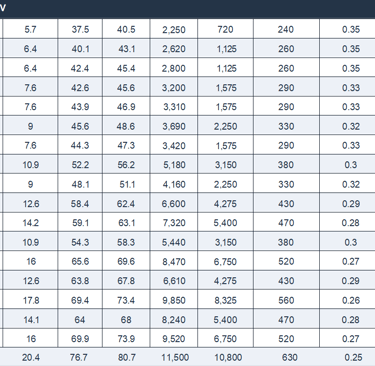
The NTSCGEWOEU submersible power cable operates across a comprehensive voltage range, with the 3/30 kV configuration representing the primary specification for demanding marine applications. The rated voltage designation of U0/U indicates the voltage between conductor and earth (U0) and the voltage between conductors (U), measured in kilovolts. This 3/30 kV power supply cable for dredgers configuration translates to 3 kV phase-to-ground and 30 kV phase-to-phase capacity.
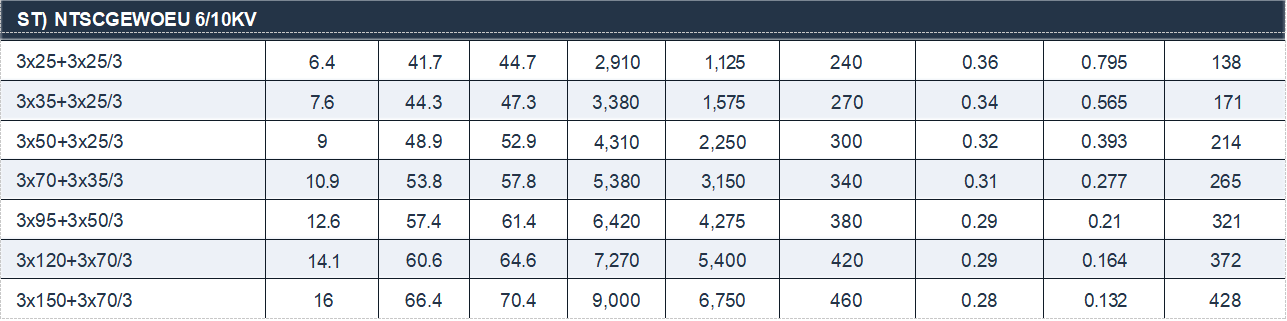
The cable features multiple voltage ratings across its product range: 1.8/3 kV for light-duty applications, 3.6/6 kV for moderate stress environments, 6/10 kV for industrial installations, 8.7/15 kV, 12/20 kV, 14/25 kV, 18/30 kV, and extending to 20/35 kV for maximum power transmission requirements. Test voltage specifications range from 6 kV to 50 kV depending on the rated voltage configuration, ensuring comprehensive safety margins during operation.
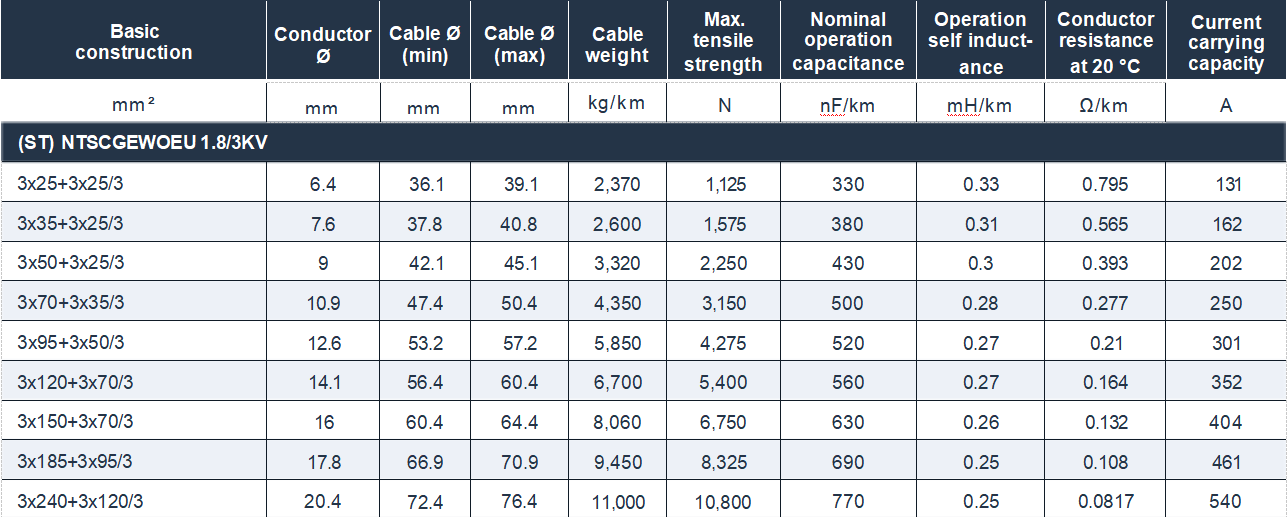
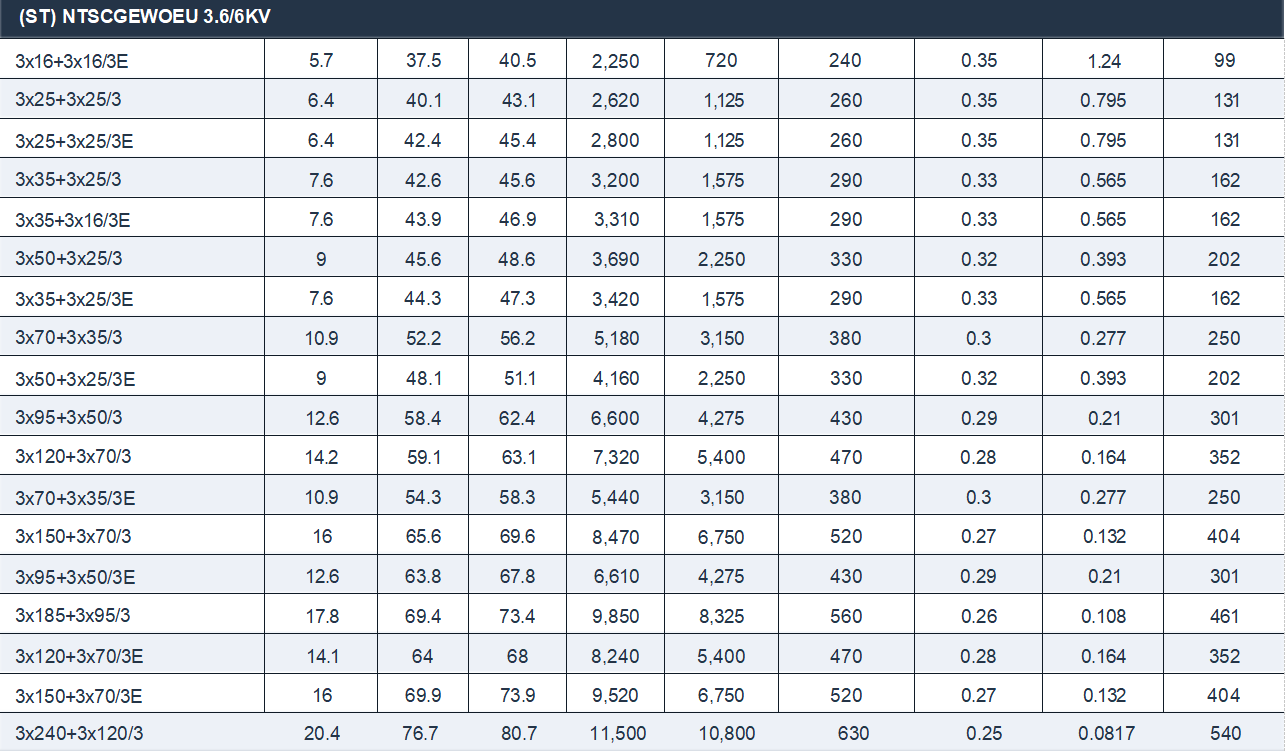
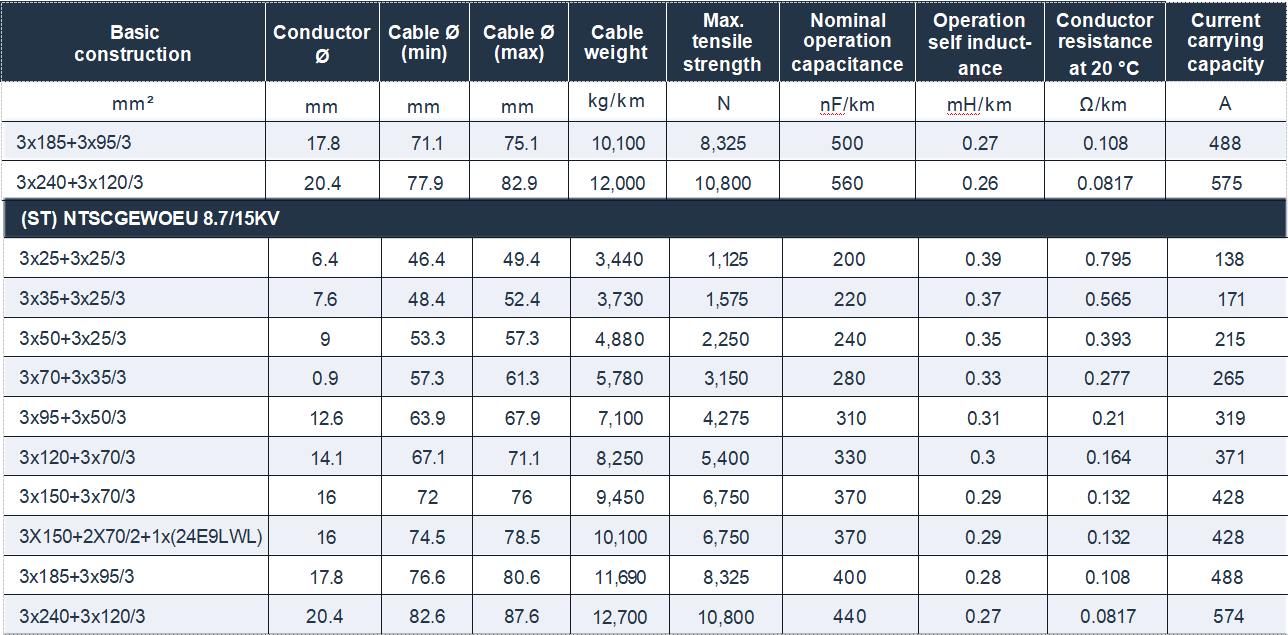
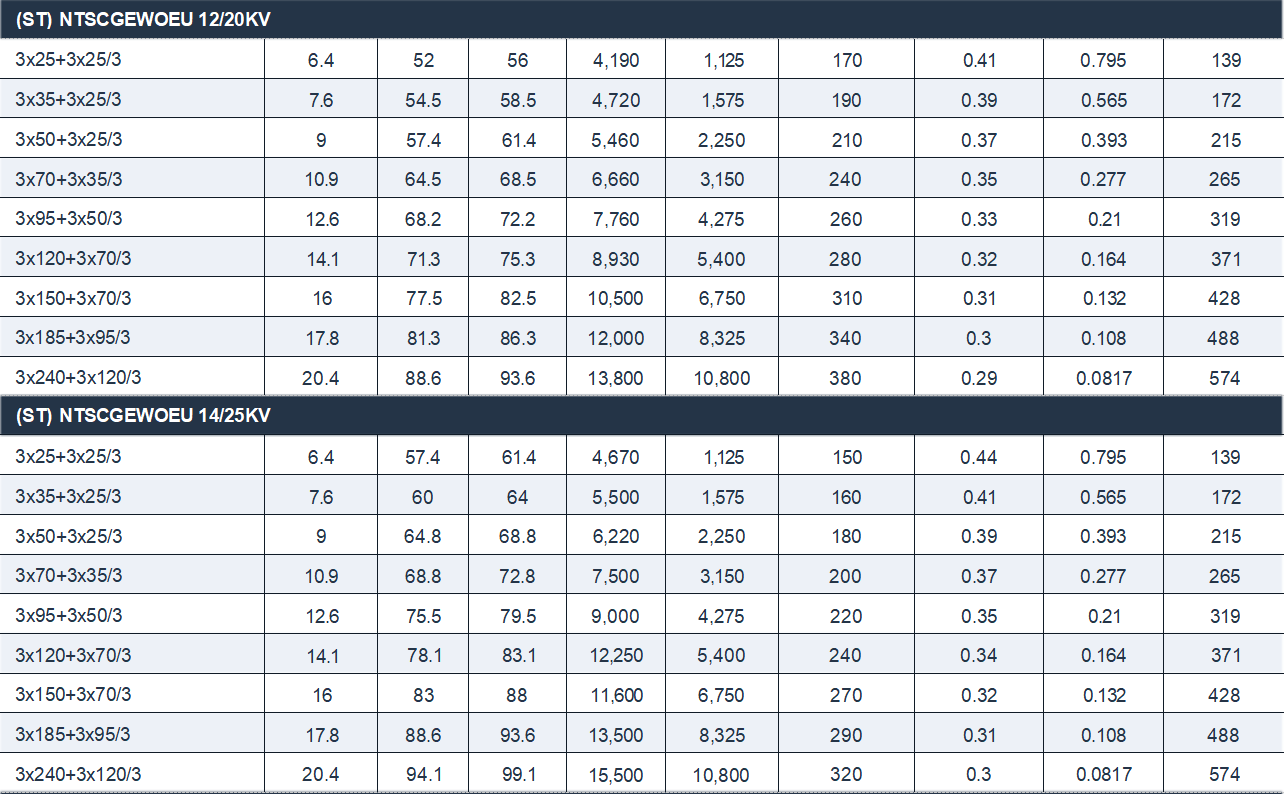
Insulation classification follows stringent international standards with EPR (Ethylene Propylene Rubber) insulation rated for continuous operation at 90°C conductor temperature. During short-circuit conditions, the cable withstands conductor temperatures up to 250°C without structural failure. Current carrying capacity varies with conductor cross-sectional area, ranging from 131 amperes for 25 mm² conductors to 574 amperes for 240 mm² configurations at the 3.6/6 kV rating, providing substantial power transmission efficiency for industrial submersible power cable applications.
II.2 Cable Construction
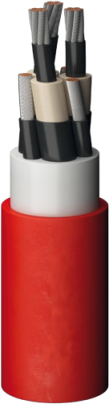
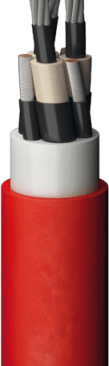
The high mechanical stress power cable underwater construction employs a sophisticated multi-layer design engineered for durability and performance. At the core, finely stranded copper conductors (class 5 tinning) provide optimal electrical conductivity while maintaining flexibility. Conductor sizes range from 16 mm² to 300 mm² cross-sectional area, accommodating diverse power requirements.
Surrounding each conductor, a semi-conductive EPR layer provides uniform electric field distribution, preventing localized stress concentrations that could lead to insulation breakdown. The primary insulation consists of specialized EPR rubber compound (3GI3), engineered specifically for submarine applications with enhanced resistance to water absorption and environmental stress.
The three main conductors are configured with split earth conductors positioned in the outer interstices between phases, creating a symmetrical arrangement that optimizes electrical performance. An outer semi-conductive NBR (Nitrile Butadiene Rubber) layer with easy-strip properties facilitates termination procedures while providing additional protection.
Mechanical strength derives from multiple protection layers. An inner sheath of specialized EPR compound establishes a waterproof barrier, while the outer sheath utilizes chlorinated polyethylene (CM/CPE) with compound designation 5GM3. This outer layer delivers exceptional resistance to seawater, mechanical abrasion, and UV radiation. The complete assembly achieves permanent tensile strength ratings of 15 N/mm², ensuring the cable maintains integrity under sustained pulling forces during installation and operation.
III. Key Features & Advantages
III.1 High Mechanical Stress Resistance
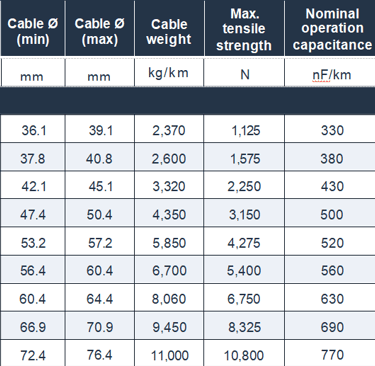
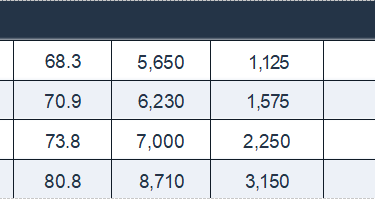
The reinforced construction of this saltwater resistant marine power cable 500 meters addresses the extreme mechanical demands of marine operations. Engineering specifications incorporate permanent tensile strength capabilities ranging from 1,125 N for 25 mm² configurations to 18,000 N for 300 mm² assemblies, representing some of the highest load-bearing capacities available in flexible power cables.
Impact and abrasion protection derives from the specialized chlorinated polyethylene outer sheath, which demonstrates superior resistance to mechanical damage compared to conventional PVC or standard rubber compounds. The compound formulation maintains flexibility while providing hardness sufficient to resist gouging, cutting, and wear from contact with equipment, dock structures, and seabed materials.
Tensile strength capabilities enable deployment in applications involving cable suspension, dynamic movement, and pulling through conduits or around sheaves. The cable design incorporates bending radius specifications that balance flexibility with structural integrity: 6 times the cable diameter for fixed installations and 10 times the diameter for flexible operations. This engineering ensures the cable can navigate installation pathways and operational movements without compromising conductor alignment or insulation integrity.
III.2 Water & Corrosion Resistance
Saltwater compatibility represents a fundamental design criterion for this deep water rated power cable 500m. The materials selection and construction methodology specifically address the corrosive nature of marine environments. Tinned copper conductors provide inherent resistance to oxidation and galvanic corrosion, while the specialized EPR insulation compound resists water absorption that would otherwise compromise dielectric properties.
The cable demonstrates excellent performance in brackish water environments, where varying salinity levels and chemical compositions challenge material stability. The waterproof EPR compound inner sheath creates an impermeable barrier, preventing moisture ingress that could lead to insulation degradation or conductor corrosion. This protection extends to operations in sewage treatment applications, where chemical exposure adds complexity to environmental resistance requirements.
Protection against environmental degradation encompasses resistance to multiple factors simultaneously present in marine environments. The chlorinated polyethylene outer sheath resists marine organism attachment and biological degradation while maintaining structural properties despite continuous water exposure. Oil resistance properties enable operation in harbors and industrial facilities where petroleum products may contact cable surfaces, while ozone resistance prevents atmospheric degradation during surface handling and storage.
UV resistance proves critical for applications involving floating cables or installations with periodic surface exposure. The compound formulation incorporates stabilizers that prevent photochemical degradation, maintaining sheath integrity and appearance despite extended sunlight exposure during installation or maintenance operations.
III.3 Deep Water Capability
The cable achieves operational ratings for submersion up to 500 meters depth, addressing requirements for dredger power supply cable specifications and deep harbor installations. This depth rating reflects comprehensive engineering analysis of hydrostatic pressure effects on cable structure, with pressure at 500 meters reaching approximately 50 bar (725 psi).
Pressure-rated specifications account for the compressive forces acting on the cable assembly at depth. The multi-layer construction distributes pressure loads across sheath layers, preventing deformation that could compromise conductor geometry or insulation spacing. The EPR insulation compound maintains dielectric properties under pressure, avoiding the reduction in breakdown voltage that afflicts cables with gas-filled voids or pressure-sensitive materials.
Long-term durability in extreme depths results from material selection resistant to pressure-induced chemical changes. Unlike some polymer materials that undergo plasticizer migration or structural modification under sustained pressure, the EPR and chlorinated polyethylene compounds maintain stable properties throughout the rated service life. Testing protocols verify performance through pressure cycling and extended submersion evaluation, ensuring reliability for continuous underwater operation.

IV. Primary Applications & Industries
IV.1 Marine & Dredging Operations
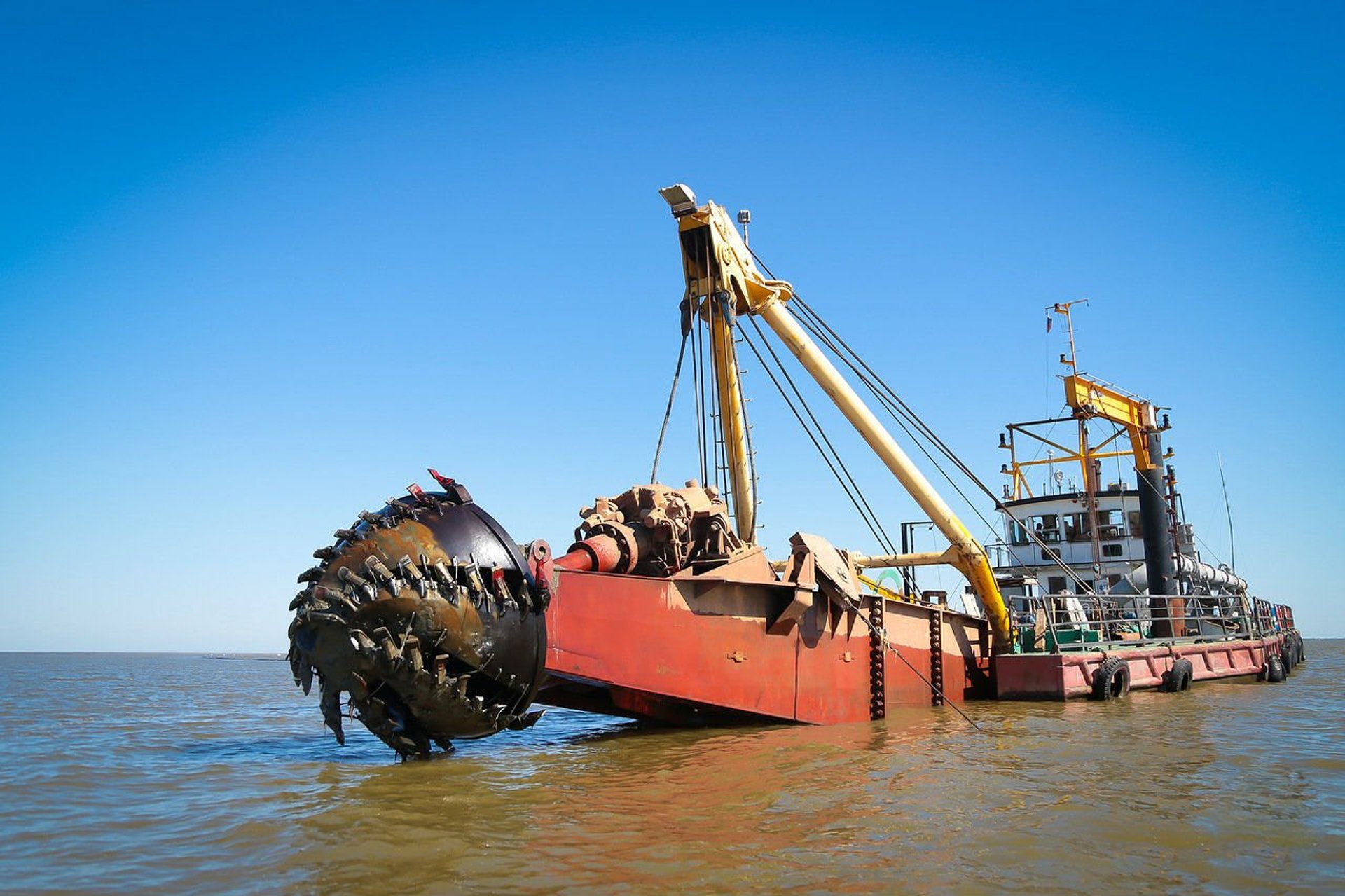
Dredger power connection requirements demand cables capable of withstanding continuous flexing, abrasion from sediment contact, and complete submersion during operational cycles. The NTSCGEWOEU cable serves as the electrical lifeline connecting shore-based or vessel-based power sources to dredging equipment operating on the seabed or riverbed. The heavy-duty submersible power cable for water applications tolerates the harsh conditions present in dredging operations, where cables experience dragging across uneven surfaces, impact from debris, and continuous movement as equipment repositions.
Floating dock electrical supply applications benefit from the cable's flexibility and water resistance. Floating facilities require power cables that accommodate tidal movement, wave action, and periodic complete submersion during storms or unusual water conditions. The cable's construction allows installation methods ranging from suspended runs between dock sections to underwater routing beneath floating structures, providing design flexibility for marine architects and electrical engineers.
Subsea equipment connectivity extends beyond traditional dredging to include underwater robotics, inspection vehicles, and marine construction tools. The corrosion-resistant underwater power cable delivers reliable power transmission to remotely operated vehicles (ROVs), underwater welding equipment, and seabed survey instruments, enabling extended operational periods without cable replacement or failure concerns.
IV.2 Water Pumping Systems
Submersible pump powering represents a primary application category for these specialized cables. Large-capacity pumps installed in wells, reservoirs, or marine environments require electrical connections capable of surviving continuous water exposure while delivering substantial power. The cable's voltage ratings and current carrying capacity support pumps ranging from moderate residential installations to industrial-scale pumping stations moving millions of gallons daily.
High-capacity pump applications in municipal water systems, agricultural irrigation, and industrial processes rely on cable performance for system uptime. The cable's construction enables direct burial alongside pump installations or suspension within well casings, adapting to diverse installation environments. The waterproof properties ensure that even in flooded pump rooms or submerged installation scenarios, electrical performance remains uncompromised.
Water treatment facilities employ these cables for pump connections, aerator drives, and equipment requiring operation in or near treatment basins. The resistance to chemicals present in water treatment processes, combined with the mechanical durability needed in industrial environments, makes this cable solution particularly suitable for wastewater treatment and potable water processing facilities.
IV.3 Specialized Water Environments
Saltwater installations present unique challenges addressed by this cable's marine-grade construction. Seawater contains dissolved minerals and salts that accelerate corrosion of unprotected metals and degrade many polymer materials through osmotic stress and chemical attack. Port and harbor infrastructure applications include power distribution to navigational aids, underwater lighting systems, and dock-mounted equipment. The cable's proven seawater resistance ensures reliable operation in these critical safety and operational systems.
Brackish water systems, where fresh and saltwater mix, create variable salinity conditions that challenge material compatibility. The cable maintains performance across the spectrum from fresh water through full seawater salinity, providing consistent reliability regardless of seasonal or tidal variations in water chemistry. This versatility proves valuable in estuarine environments, coastal areas, and regions where groundwater salinity varies.
Sewage treatment applications demand cables resistant not only to water but to the chemical agents present in wastewater. The specialized compound formulations resist attack from acids, bases, and organic materials present in sewage, maintaining insulation integrity and structural properties throughout extended service life. These properties extend the cable's applicability to industrial wastewater treatment, where chemical compositions may be more aggressive than domestic sewage.
V. Comparative Analysis
Comparison with standard power cables reveals the specialized engineering incorporated in marine-grade designs. Conventional industrial cables typically utilize PVC insulation and sheathing materials suitable for dry or protected environments. When exposed to continuous water immersion, standard cables experience insulation degradation, conductor corrosion, and mechanical failure within months or even weeks. The NTSCGEWOEU cable's EPR insulation and chlorinated polyethylene sheath provide service life measured in decades rather than months under equivalent conditions.
Advantages over conventional marine cables include superior depth rating, enhanced flexibility, and broader temperature range. While some marine cables achieve water resistance through rigid construction or limited depth ratings, this cable maintains flexibility necessary for installation and operation while achieving 500-meter depth capability. The temperature range from -25°C to 60°C for flexible operation exceeds many competing products, enabling deployment in both arctic and tropical waters.
Industry performance benchmarks demonstrate the cable's superiority in key metrics. Tensile strength ratings exceed typical marine cable specifications by 25-40%, while bending radius requirements remain comparable or more favorable, indicating enhanced mechanical engineering. Water absorption testing confirms the effectiveness of sealing compounds, with moisture ingress rates orders of magnitude below acceptable industry standards.
Cost-effectiveness for marine projects derives from extended service life and reduced maintenance requirements. While initial procurement costs may exceed standard industrial cables, the total cost of ownership calculation reveals significant savings. The elimination of premature cable replacement, reduced downtime from cable failures, and decreased maintenance intervention requirements generate return on investment that justifies the initial premium. Projects calculating lifecycle costs typically find that specification of proper marine-grade cables like the NTSCGEWOEU reduces overall electrical infrastructure costs by 30-50% over a 20-year project timeline.
VI. Installation & Safety Guidelines
VI.1 Installation Best Practices
Cable laying and routing procedures require careful planning to optimize performance and longevity. For underwater installations, route selection should minimize sharp bends, avoid areas of high mechanical activity, and consider protection from anchors, propellers, and other hazards. The cable's minimum bending radius of 10 times the cable diameter during installation must be maintained to prevent conductor damage or insulation stress. For permanent installations, a bending radius of 6 times the cable diameter suffices for fixed mounting.
Connection and termination methods demand attention to waterproofing and mechanical strain relief. Terminations utilize cast-resin, hybrid, or vulcanization techniques depending on voltage rating and environmental exposure. Proper termination ensures that the junction between cable and equipment maintains the water resistance properties of the cable itself. Strain relief provisions prevent tensile loads from concentrating at termination points, which represent potential failure locations if improperly executed.
Depth-specific installation protocols address the changing conditions encountered as depth increases. Shallow water installations (0-50 meters) require protection from boat traffic, fishing equipment, and tidal action. Mid-depth applications (50-200 meters) face reduced surface interference but increased pressure considerations. Deep installations (200-500 meters) demand careful attention to pressure effects on terminations and support systems, with cable weight becoming significant over long vertical runs.
VI.2 Safety Standards & Compliance
International certifications validate the cable's design and manufacturing quality. Compliance with IEC (International Electrotechnical Commission) standards ensures compatibility with global electrical requirements. DIN VDE standards, widely recognized in European marine applications, provide the framework for voltage ratings, insulation testing, and safety factors. Marine classification societies including DNV (Det Norske Veritas) and ABS (American Bureau of Shipping) provide additional certification for cables meeting their stringent requirements for shipboard and offshore installations.
Testing and quality assurance procedures encompass electrical, mechanical, and environmental evaluations. High-voltage testing verifies insulation integrity at voltages exceeding operational levels, typically 2-3 times rated voltage depending on classification. Tensile strength testing confirms mechanical specifications, while submersion testing validates waterproof properties. Fire performance testing according to EN/IEC 60332-1-2 ensures flame retardant properties meet safety requirements.
Regulatory compliance documentation accompanies cable shipments, providing project engineers with evidence of conformance to specified standards. Test certificates detail manufacturing date, test results, and compliance declarations necessary for regulatory approval and project documentation requirements.
VII. Maintenance & Longevity
Regular inspection requirements for submersible power cables depend on application severity and accessibility. Cables in protected environments may require only annual visual inspection, while cables exposed to high mechanical stress or critical applications benefit from semi-annual or quarterly examination. Inspection protocols include visual assessment for sheath damage, thermographic scanning for hot spots indicating internal issues, and electrical testing to verify insulation resistance.
Maintenance schedules should incorporate periodic testing of grounding systems, verification of termination integrity, and documentation of any environmental changes affecting cable routing. For deep installations, inspection may require specialized equipment including underwater cameras or ROV deployment, necessitating planning for inspection access during installation design.
Expected service life under normal operating conditions exceeds 20 years, with many installations achieving 30+ years of reliable service. Service life depends on operational severity, with cables experiencing constant flexing or abrasion requiring earlier replacement than static installations. Proper installation and maintenance significantly extend operational life, with well-maintained cables often outlasting the equipment they serve.
Troubleshooting common issues begins with isolation of problem symptoms. Insulation resistance testing identifies moisture ingress or insulation degradation. Time-domain reflectometry (TDR) locates cable faults with precision, enabling targeted repair rather than complete replacement. Ground fault indicators help diagnose earth connection issues, while thermal imaging reveals current imbalance or connection problems before they progress to failure.

IX. Frequently Asked Questions
Q: What is the maximum depth rating for the (ST) NTSCGEWOEU cable?
A: The cable is rated for continuous operation at depths up to 500 meters in seawater, brackish water, or freshwater environments. This depth rating accounts for the hydrostatic pressure of approximately 50 bar encountered at 500-meter depth, with the cable construction engineered to maintain electrical and mechanical properties under these conditions.
Q: Can this cable be used in seawater applications?
A: Yes, the cable features excellent seawater resistance through specialized material selection including tinned copper conductors, waterproof EPR insulation compounds, and a chlorinated polyethylene outer sheath specifically formulated for marine environments. The cable maintains performance in continuous saltwater immersion for its entire service life.
Q: What makes this cable suitable for high mechanical stress applications?
A: The cable achieves high mechanical stress capability through reinforced construction including finely stranded copper conductors for flexibility, multiple protective sheath layers, and permanent tensile strength ratings from 1,125 N to 18,000 N depending on size. The polyester mesh reinforcement and specialized rubber compounds provide superior abrasion resistance and impact protection.
Q: How does this cable compare to standard industrial power cables for underwater use?
A: Standard industrial cables lack the waterproof construction, corrosion resistance, and mechanical strength required for submersible applications. The NTSCGEWOEU cable incorporates specialized insulation compounds, waterproof barriers, and marine-grade sheathing that enable continuous underwater operation where standard cables would fail within weeks or months.
Q: What temperature range can this cable withstand?
A: The cable operates in ambient temperatures from -25°C to 60°C during flexible installation and -40°C to 80°C for fixed installations. Conductor temperature reaches 90°C during normal operation and withstands short-circuit temperatures up to 250°C without structural failure.
Q: Is the cable resistant to oils and chemicals?
A: Yes, the cable demonstrates excellent resistance to oils, fuels, and many industrial chemicals, making it suitable for port environments, industrial facilities, and applications where petroleum products or chemical exposure may occur. The specialized compound formulations resist chemical attack while maintaining electrical and mechanical properties.
Q: What installation methods are recommended for this cable?
A: Installation methods include direct burial, underwater laying, suspension from support structures, and pulling through conduits. The minimum bending radius of 10 times cable diameter during installation must be observed, reducing to 6 times diameter for permanent fixed installations. Proper strain relief at terminations and protection from mechanical hazards ensure optimal service life.
Q: How do I determine the correct conductor size for my application?
A: Conductor sizing considers multiple factors including power requirements (voltage and current), cable length (voltage drop calculations), fault current withstand capability, and mechanical loads during installation. Consultation with electrical engineers or the manufacturer's technical support ensures proper sizing for specific applications.
Q: What certifications and standards does this cable meet?
A: The cable complies with DIN VDE 0250-813 for general requirements, EN 50525-2-21 for electrical parameters, IEC standards for chemical behavior and fire performance, and holds certifications from marine classification societies for specific applications. MSHA certification is available for mining applications requiring such approval.
Q: Can this cable be repaired if damaged during operation?
A: Damaged sections can be repaired using vulcanization techniques, cast-resin joint systems, or cable replacement depending on damage extent and location. Proper repair maintains the waterproof integrity and electrical characteristics of the original cable when executed by qualified technicians using appropriate materials and procedures.
X. Conclusion
The (ST) NTSCGEWOEU 3/30 kV submersible power cable represents advanced engineering designed specifically for the demanding requirements of marine and underwater power transmission applications. Through specialized materials, reinforced construction, and comprehensive testing, this cable delivers reliable performance in environments where standard electrical cables would experience rapid failure.
From dredging operations to floating docks, from deep water pumping systems to port infrastructure, this marine power cable provides the essential electrical connectivity required for modern marine operations. The combination of mechanical strength, water resistance, and electrical performance enables engineers and project managers to specify solutions with confidence in long-term reliability.
The investment in properly engineered submersible power cables pays dividends through extended service life, reduced maintenance requirements, and minimized downtime from electrical failures. For applications demanding uncompromising performance in aquatic environments, the NTSCGEWOEU cable series offers proven technology backed by decades of successful installations worldwide.
How to Reach Us
Get in Touch
SiteMap
Product Catalogue
Festoon Cable
Shore Power Cable


Scan to add us on WeChat