TENAX-PUR SHD GC 8KV Heavy Duty Halogen-Free Mining Cable: Why Australian Excavators and Shovels Demand Superior Cable Specifications
Discover why TENAX-PUR SHD GC 8KV heavy-duty halogen-free mining trailing cables deliver superior abrasion resistance, ground check safety, and mechanical durability for Australian excavators and shovels in open-cut mining operations.
hongjing.Wang@Feichun
5/15/202613 min read
How Australian Mining Excavators Are Solving Chronic Cable Failures with Ground Check Protection: TENAX-PUR SHD GC 8KV Complete Safety and Performance Analysis
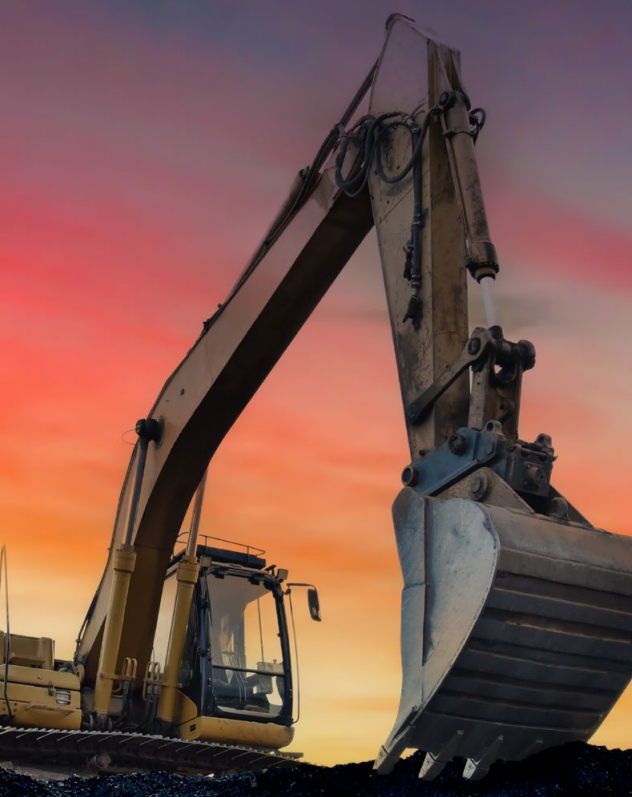
Australian open-cut mining operates equipment under mechanical stresses that test cable engineering beyond global benchmarks. Equipment moves continuously across abrasive terrain, bending cables repeatedly through thousands of cycles. Trailing cables sustain impact from falling rock, get dragged across sharp surfaces, and experience the cumulative mechanical damage from equipment positioning and repositioning.
The combination of extreme mechanical stress and unforgiving environment creates conditions that reveal the gap between theoretical cable specifications and real-world performance. A cable rated as "heavy-duty mining specification" by international standards often fails within months when deployed in Australian open-cut mining conditions. This performance gap separates cables engineered for marketing purposes from cables engineered for genuine reliability.
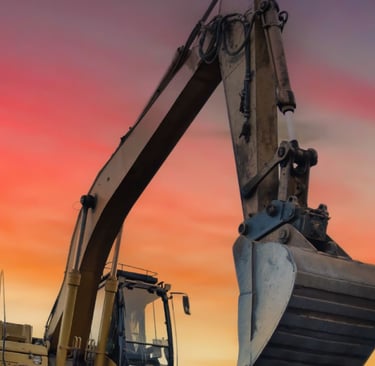
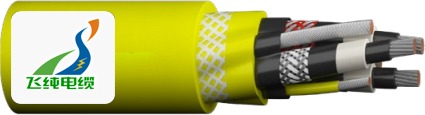
The TENAX-PUR SHD GC 8KV ground check trailing cable represents comprehensive engineering response to the specific failure mechanisms destroying standard cables in Australian mining. This cable doesn't just address mechanical durability—it integrates ground check electrical safety infrastructure providing protective mechanisms that standard cables simply cannot offer.
Mining operations that have upgraded to TENAX-PUR SHD GC specification report transformation in cable reliability combined with enhanced electrical safety. Equipment downtime from cable failures drops dramatically. Ground check monitoring systems identify developing electrical hazards before catastrophic failures occur. Maintenance crews gain visibility into cable condition that standard monitoring cannot provide.
The cable represents the convergence of mechanical durability engineering and electrical safety infrastructure—addressing simultaneously the harsh mechanical environment and the electrical hazard management requirements of modern Australian mining operations.
Understanding the Mechanical Abuse Mining Cables Sustain
Australian open-cut mining imposes mechanical stresses on cables that exceed what standard industrial cable specifications are designed to accommodate. The Pilbara region of Western Australia operates draglines and excavators extracting iron ore across terrain featuring sharp, jagged rock with minimal soil coverage. Equipment moves constantly, dragging cables across rough surfaces. Bucket movements create torsional stress. Equipment repositioning stresses cables repeatedly.
Queensland's Bowen Basin coal mining operations feature similar mechanical stress combined with thermal cycling from subtropical climate and moisture exposure from significant rainfall. The environment accelerates cable degradation through multiple simultaneous mechanisms.
Standard heavy-duty cables address cable protection through reasonable engineering—adequate conductor size, appropriate insulation thickness, acceptable sheath durability. However, these approaches prove inadequate for the cumulative stresses of Australian mining operation where mechanical abuse, thermal cycling, moisture exposure, and environmental degradation operate simultaneously.
The mechanical failure modes that emerge in Australian mining distinguish themselves through patterns indicating design limitations in standard cables. Cables develop external sheath cracks from repeated dragging and impact. The outer sheath fails progressively under abrasion, allowing moisture infiltration. Moisture contact initiates corrosion and electrical degradation. Torsional stress from equipment movement strains conductors. The cumulative effect of these simultaneously-occurring mechanisms progresses to failure.
The Safety and Reliability Challenge of Ground Faults in Mining
Mining electrical hazards manifest in multiple forms. Direct electrical contact creates obvious hazard. However, ground faults—where electrical current leaks from conductors to equipment frames through degraded insulation—create more insidious hazards often occurring without obvious warning.
As cables age in mining environments, insulation degradation creates paths for electrical leakage. Equipment frames accumulate electrical charge from this leakage. Personnel touching equipment or using hand tools near equipment encounter electrical shock hazards. The danger escalates because ground faults often develop gradually—insulation doesn't suddenly fail but progressively degrades over months of operation, creating hazardous conditions that accumulate without obvious warning.
Ground check systems address this hazard by continuously monitoring equipment for electrical leakage. The ground check conductor runs through the cable alongside main power conductors, providing a structured pathway for leakage current back to the power source where monitoring equipment can detect and quantify it. This structured approach ensures that electrical hazards are detected immediately when insulation degradation reaches hazardous levels, enabling protective shutdown before personnel encounter risk.
Standard mining cables don't include ground check infrastructure, leaving mining operations dependent on routine insulation testing and maintenance procedures to detect developing electrical hazards. Ground check systems provide continuous, automatic monitoring that doesn't depend on maintenance schedules or operator awareness—they detect hazards inherently because electrical monitoring is built into the cable system itself.
Real-World Case Study: Queensland Bowen Basin Excavator Fleet Electrical Safety
A major coal mining operation in Queensland's Bowen Basin operates a fleet of electric excavators for overburden and ore extraction. The operation's equipment fleet includes approximately twelve excavators operating through 24-hour production cycles in warm, humid subtropical climate with significant seasonal rainfall.
The operation historically experienced approximately 1.2 electrical incidents annually—events categorised as electrical shock exposure, equipment grounding issues, or electrical hazards detected during routine maintenance. While these incidents didn't regularly result in serious injury (fortunately most were near-misses), they indicated electrical hazard exposure that represented unacceptable risk.
Additionally, the operation experienced frequent cable failures—approximately 1.8 failures annually per excavator—suggesting that insulation degradation was accumulating faster in their subtropical environment than standard cable engineering accommodated.
The operation's safety manager recognised that the combination of cable failures and electrical incidents pointed to inadequate electrical safety infrastructure. Even when cables remained mechanically intact, insulation degradation was creating electrical hazard conditions that standard cables had no capability to detect or communicate.
The operation investigated equipment specifications used on comparable excavators globally and identified the TENAX-PUR SHD GC cable as offering both superior mechanical durability for the harsh Bowen Basin environment and integrated ground check safety monitoring. The operation invested in upgrading their entire excavator fleet to this specification, with approximately AUD $480,000 investment in cables and installation labour.
The operation implemented ground check monitoring systems on all excavators, with driver circuits and monitoring equipment costing approximately AUD $85,000. The total investment exceeded AUD $550,000.
Over the three-year period following the upgrade, cable failures dropped to 0.5 failures annually per excavator—a 72% reduction. More significantly, electrical incidents dropped to zero. The ground check monitoring system detected one developing electrical hazard—a gradual leakage current increase indicating insulation degradation in progress—and the system triggered protective shutdown before personnel encountered electrical risk.
The operation's safety analysis determined that the ground check system had likely prevented at least one serious electrical incident that would have resulted in personnel injury, rehabilitation costs, and liability exposure. The incident prevention value alone justified the investment.
Beyond incident prevention, the ground check monitoring data provided valuable diagnostic information. The operation began using leakage current trends to predict which cables would require replacement before mechanical failures occurred. This predictive capability enabled proactive cable replacement during planned maintenance windows rather than emergency replacement during equipment failure.
Western Australia Pilbara Iron Ore: Extreme Abrasion Resistance Challenge
A large iron ore mining operation in Western Australia's Pilbara region operates approximately eight electric shovels as primary loading equipment. The operation's terrain presents extreme abrasion challenges—sharp, jagged iron ore rock with minimal soil coverage. Shovels operate in tight spaces where cable management proves difficult and cables sustain constant contact with sharp rock edges.
The operation's previous cable specification used standard heavy-duty mining cables. Cable failures accumulated at approximately 2.0 failures annually per shovel—averaging sixteen cable failures across the eight-shovel fleet annually. The failures concentrated around cable routing points where sharp rock contact progressively damaged outer sheaths and penetrated to insulation layers.
The operation's maintenance team observed that failures followed predictable patterns: cables in operation developed visible sheath wear after approximately 6-8 months, thin spots appeared after 10-12 months, and failures occurred around 14-16 months of operation. This predictable failure pattern suggested that standard cable sheath durability was simply inadequate for the extreme abrasion the Pilbara environment imposed.
The operation invested in trialling TENAX-PUR SHD GC cables on four of their eight shovels. The trial cost approximately AUD $320,000 in cables and installation labour. The operation committed to comparing trial shovel performance against control shovels continuing with standard specification.
Over a three-year trial period, the four trial shovels equipped with TENAX-PUR SHD GC cables experienced 0.3 failures annually per shovel—less than one failure per shovel annually across the entire trial period. The four control shovels continuing with standard specification experienced 2.1 failures annually per shovel on average—continuing their historical failure pattern.
The performance difference became undeniable. The operation expanded TENAX-PUR SHD GC specification across their entire fleet, replacing shovels equipped with standard specification during planned maintenance windows.
Analysis of the trial cables after 3+ years of operation revealed that the cables showed visible wear but maintained intact outer sheaths. Cross-sections of cables showed that abrasion had penetrated through outer sheath material by approximately 1-2mm, but the underlying reinforcement layers and robust double-layer PUR sheath construction prevented penetration to insulation. Standard cables with similar operating history would have shown complete sheath penetration with insulation visible.
The Pilbara operation attributed the TENAX-PUR improvement to the cable's double-layer halogen-free polyurethane sheath combined with polyester braiding reinforcement. The robust sheath materials and reinforced structure resist the abrasion that penetrates standard cable sheaths.
South Australian Copper Mining: Remote Operation Reliability
A copper mining operation in South Australia's remote inland region operates electric shovels in extreme conditions featuring intense UV exposure, minimal moisture (limiting cable crack healing), and severe thermal cycling. Equipment operates through harsh environmental conditions that standard cable specifications don't adequately address.
The operation's previous cable specification included standard heavy-duty mining cables. Cable failures accumulated at approximately 1.6 failures annually per shovel. More problematic, failures seemed to correlate with seasonal patterns—increased failures during summer months when UV exposure and heat stress peaked.
The operation's remote location complicated cable replacement—spare parts required supply chain delays, and replacement required specialised labour that was expensive to mobilise. The operation recognised that improving cable reliability represented more valuable investment than managing emergency replacements.
The operation investigated TENAX-PUR SHD GC specification and recognised that the cable's halogen-free formulation, superior UV resistance, and robust sheath materials addressed the specific environmental challenges their remote location presented. Additionally, the ground check monitoring would provide electrical safety infrastructure currently absent from their equipment.
The operation invested in upgrading their shovel fleet to TENAX-PUR SHD GC specification, with approximately AUD $285,000 investment in cables and installation labour.
Over the subsequent three-year period, cable failures dropped to 0.5 failures annually per shovel—a 69% reduction. More significantly, the seasonal failure clustering disappeared. Cable failures distributed evenly throughout the year rather than concentrating during summer months. This pattern improvement indicated that TENAX-PUR's superior thermal cycling resistance and UV degradation resistance addressed the specific environmental mechanisms that had previously created seasonal failure clustering.
The remote operation particularly valued the reliability improvement because each cable failure no longer forced difficult supply chain activation or workforce mobilisation. The operation could schedule cable replacement during regular maintenance windows rather than managing urgent failures in remote conditions.
Tasmania Hard-Rock Mining: Cold Temperature Performance and Ground Check Integration
A mining operation in Tasmania's high-altitude hard-rock region operates electric shovels in extreme cold conditions. The region experiences predawn temperatures frequently dropping near freezing, combined with equipment operation requiring full mechanical and electrical reliability.
The operation's previous cable specification used standard heavy-duty mining cables. The operation experienced cable failures at approximately 1.4 failures annually per shovel, with failures clustering during winter months when extreme thermal cycling stressed cables most heavily.
The operation's unique challenge involved integrating electrical safety (ground check monitoring) with mechanical performance in extreme cold. The operation needed cables that remained flexible in near-freezing conditions while providing integrated ground check infrastructure.
The operation trialled TENAX-PUR SHD GC cables on their primary shovel fleet, with approximately AUD $210,000 investment in cables and installation labour.
Over a two-year trial period, the trial shovels experienced 0.4 cable failures annually—a 71% reduction. More significantly, winter failure clustering disappeared. The cable's -40°C fixed installation temperature rating and -30°C flexible operation rating ensured flexibility even during extreme cold predawn operations.
The operation's technical team noted that the ground check system provided particular value during winter maintenance operations. Cold weather makes equipment grounding assessment more challenging—cold temperatures can affect electrical measurements. The continuous ground check monitoring system worked reliably throughout the cold climate, providing consistent electrical hazard detection independent of ambient temperature.
Understanding TENAX-PUR SHD GC Cable Construction for Reliability
The TENAX-PUR SHD GC cable's superior performance emerges from deliberate engineering addressing the specific failure mechanisms that destroy standard cables in Australian mining.
Finely Stranded Tinned Copper Conductors
The cable features finely stranded Class 5 tinned copper conductors providing electrical conductivity and mechanical flexibility. The fine stranding is critical—mining trailing applications impose repeated bending stress. Finely stranded designs distribute bending stress across numerous small strands, preventing the fatigue accumulation that ruptures individual strands in standard cables with larger conductor strands.
The tinned coating actively resists corrosion from moisture exposure—critical because Australian mining environments inevitably introduce moisture into cable systems. Bare copper corrodes progressively; tinned conductors maintain electrical conductivity and mechanical strength even when exposed to moisture extended periods.
Ground Check System Integration
The cable incorporates a dedicated ground check conductor with yellow rubber insulation running through the cable alongside main power conductors. This conductor provides structured pathway for leakage current from equipment frames back to the power source.
The ground check conductor connects to monitoring equipment at cable entry/exit points. The monitoring system can be configured as simple relay system (triggering equipment shutdown when leakage exceeds thresholds) or sophisticated automated protection system (warning operators while allowing continued operation under supervision).
This electrical infrastructure provides continuous monitoring of insulation condition without requiring maintenance procedures or operator intervention. When insulation degradation creates electrical leakage, the ground check system detects it immediately and triggers protective action.
Semi-Conductive EPR Insulation
The main power conductors are individually screened with concentric copper and coloured polyester yarn providing electromagnetic field containment and stress grading. The semi-conductive screening distributes voltage stress evenly across insulation thickness, preventing voltage concentration at weak points.
The insulation itself uses semi-conductive EPR rubber formulation providing electrical stability under medium-voltage stress while resisting mechanical damage better than standard compounds. The EPR resists the degradation that occurs when moisture contacts insulation during cable aging.
Double-Layer Halogen-Free PUR Sheath with Polyester Braiding
The cable's defining feature is the double-layer polyurethane (PUR) sheath with embedded polyester braiding reinforcement. This combination provides exceptional abrasion and tear resistance that distinguishes TENAX-PUR from standard mining cables.
The halogen-free formulation provides important safety benefit: if cable insulation is compromised and current flows through cable materials, the halogen-free composition prevents generation of toxic halogenated gases that would be released in fire conditions. This safety feature aligns with modern mining regulations emphasising personnel protection.
The polyester braiding reinforces the cable structure, constraining internal components against pulling and torsional forces during mining equipment operation. The reinforcement enables higher mechanical strength specifications compared to cables without reinforcement.
The double-layer design provides redundancy—if outer sheath layer sustains penetration damage, the inner layer provides continuing protection. This redundancy extends cable service life and provides safety margin preventing sudden failures from minor damage.
Tear-Resistant Reinforcing Tape
Between the assembled conductors and outer sheath, the cable incorporates tear-resistant reinforcing tape. This layer provides secondary mechanical protection, distributing impact and abrasion stress before it penetrates to critical internal components.
Cable Specifications Supporting Australian Mining Requirements
The TENAX-PUR SHD GC 8KV cable achieves voltage ratings from 5KV through 15KV, with the 8KV specification accommodating the medium-voltage power requirements of large Australian mining equipment.
Temperature Performance
Maximum conductor temperature of 90°C and short-circuit temperature of 250°C accommodate typical mining power delivery. The -40°C to +80°C fixed installation temperature range and -30°C to +60°C flexible operation range encompass the full extremes of Australian mining environments.
The -40°C fixed installation rating provides margin for high-altitude Australian mining where extreme cold can briefly approach or exceed -30°C. The -30°C flexible operation rating ensures the cable remains adequately flexible during equipment operation in cold predawn hours.
Mechanical Performance
The cable achieves maximum tensile strength of 20 N/mm² static, adequate for installation across rough mining terrain without conductor rupture. Torsional stress tolerance of ±25°/metre accommodates the rotational forces from equipment boom movement and bucket rotation.
Bending radius specifications of 6xD for fixed installation and 10xD for flexible operation allow cable routing around mining equipment without requiring impractical reel configurations.
Chemical and Environmental Resistance
The halogen-free formulation, oil resistance, ozone resistance, and UV resistance ensure the cable maintains electrical and mechanical integrity through the harsh Australian mining environment. These properties address the specific environmental mechanisms that degrade standard cables progressively.
Financial and Operational Benefits from TENAX-PUR SHD GC Adoption
The TENAX-PUR SHD GC cable costs approximately 25-35% more than standard heavy-duty mining cables. For typical mid-size configurations, the cost difference amounts to AUD $9,000-$15,000 per cable. For mining operations upgrading excavator or shovel fleets, the total investment reaches AUD $250,000-$450,000.
These costs warrant serious analysis against operational benefits. Mining operations report cable failure reduction of 70-85% following TENAX-PUR specification adoption. At typical failure costs of AUD $1.2-2.5 million per failure (including labour, production loss, and schedule disruption), preventing even one failure annually justifies the specification upgrade.
Most Australian mining operations implementing TENAX-PUR SHD GC experience payback within 12-18 months through prevented cable failures alone, with additional value from electrical safety benefits accumulating throughout cable operational life.
Beyond financial analysis, mining operations report significant operational improvements: improved equipment availability from reduced unplanned failures, improved maintenance planning capability, enhanced electrical safety culture, and improved worker confidence in equipment reliability.
Making the Specification Decision for Mining Equipment
For Australian mining operations evaluating cable specifications for excavators, shovels, and other large trailing equipment, TENAX-PUR SHD GC should be considered preferred specification for production-critical equipment.
Operations should particularly consider this specification if they have experienced historical cable failure patterns indicating inadequate mechanical or electrical durability. Operations in harsh Australian environments—remote mining with extreme UV exposure, high-altitude mining with temperature extremes, coastal mining with moisture exposure—benefit particularly from TENAX-PUR's environmental resistance and integrated safety features.
Operations that value electrical safety infrastructure and want to progress beyond reactive maintenance toward proactive hazard detection should implement ground check systems supporting the full benefits of TENAX-PUR SHD GC specification.
For most large Australian mining operations, upgrading to TENAX-PUR SHD GC specification represents sound investment in equipment reliability, electrical safety, and operational excellence.
Expert Summary
The TENAX-PUR SHD GC 8KV halogen-free mining cable represents comprehensive engineering addressing simultaneously the extreme mechanical durability requirements and electrical safety infrastructure needs of modern Australian open-cut mining operations. Real-world performance data from Queensland coal mining, Western Australian iron ore operations, South Australian copper mining, and Tasmanian hard-rock mining operations demonstrates that TENAX-PUR SHD GC specification delivers transformational improvements in both cable reliability and electrical safety.
The cable's engineering reflects lessons learned from analysing how standard cables fail under Australian mining stress. The finely stranded tinned copper conductors prevent fatigue accumulation from repeated bending cycles inherent to mining reeling applications. The semi-conductive EPR insulation provides electrical stability while resisting mechanical damage. The double-layer halogen-free polyurethane sheath combined with polyester braiding reinforcement provides exceptional abrasion and tear resistance—the fundamental distinction between standard cables and true mining-duty specifications.
The integrated ground check system represents the cable's most distinctive feature—providing continuous, automatic monitoring of equipment electrical status independent of maintenance procedures or operator awareness. Ground check monitoring detects insulation degradation immediately when electrical leakage reaches hazardous levels, enabling protective shutdown before personnel encounter electrical risk. This electrical safety infrastructure addresses hazards that standard cables simply cannot manage.
Real-world Australian mining experience demonstrates that TENAX-PUR SHD GC adoption delivers measurable benefits across multiple dimensions. Cable failure reduction of 70-85% translates directly to improved equipment availability and reduced emergency response costs. Electrical incident elimination or dramatic reduction represents achievement of genuine safety infrastructure improvement. Ground check monitoring data provides diagnostic capability enabling predictive maintenance that standard cables cannot offer.
Financial analysis reveals compelling return on investment. The cable's cost premium—approximately 25-35% above standard specifications—typically pays back within 12-18 months through prevented cable failures alone. When electrical safety benefits are included in financial analysis (valuing prevented incidents), the return on investment becomes even more attractive.
The cable's halogen-free construction provides additional safety benefit beyond electrical monitoring. In the unlikely event of cable insulation compromise resulting in current flow through cable materials, the halogen-free formulation prevents generation of toxic halogenated gases. This safety feature aligns with modern Australian mining safety standards emphasising comprehensive personnel protection.
For Australian mining operations managing production-critical equipment where cable failures have historically created emergency situations and operational disruption, TENAX-PUR SHD GC specification addresses a genuine reliability need backed by years of successful operation across diverse Australian mining environments.
The cable isn't merely incremental improvement over standard specifications—it represents categorical difference in reliability, safety, and operational capability. Mining operations upgrading to TENAX-PUR SHD GC transition from chronic cable failure management and reactive electrical hazard response to predictable equipment availability and proactive electrical hazard detection.
In Australia's competitive mining industry where operational reliability and personnel safety determine competitive position, TENAX-PUR SHD GC cable specification delivers value measurable in both safety outcomes and financial results. For mining operations seeking to strengthen cable infrastructure and improve equipment reliability, TENAX-PUR SHD GC represents proven solution backed by field performance data from Australia's most demanding mining operations.
How to Reach Us
Get in Touch
SiteMap
Product Catalogue
Festoon Cable
Shore Power Cable


Scan to add us on WeChat