

THHN/THWN-2 vs. XHHW-2 Electrical Cable: Complete Comparison Guide for Electrical Contractors & Engineers
Compare THHN/THWN-2 vs. XHHW-2 electrical cables. Learn key differences in insulation, voltage ratings, cost & durability to choose the right cable for your project.
hongjing.Wang@Feichun
12/9/20257 min read
Understanding electrical insulation types is not just a matter of technical knowledge—it's critical for project safety, long-term performance, and cost-efficiency. When selecting between THHN/THWN-2 and XHHW-2 cables, electrical contractors and engineers face a fundamental choice between thermoplastic and thermoset insulation technologies. This comprehensive guide examines the key differences, performance characteristics, and application-specific considerations to help you make informed cable selection decisions.
What is THHN/THWN-2 Cable?
THHN/THWN-2 represents one of the most widely used electrical cable types in North America, particularly valued for its cost-effectiveness and versatility in general-purpose applications. The acronym breakdown reveals its core specifications: T stands for Thermoplastic insulation, HH indicates High Heat Resistant properties, W denotes Water Resistant capabilities, N signifies the Nylon jacket coating, and -2 confirms the temperature rating of 90°C in both wet and dry conditions.
The thermoplastic insulation in THHN cable consists primarily of polyvinyl chloride (PVC) with a protective nylon coating. This PVC insulation provides adequate electrical isolation for standard voltage applications, with a voltage rating of 600V suitable for most residential and commercial installations. The nylon jacket is essential for achieving the cable's insulation rating and provides mechanical protection against abrasion during installation and service.
THHN/THWN-2 cable excels in cost-sensitive construction projects where budget constraints are paramount. Its lower manufacturing costs—primarily due to the simpler thermoplastic insulation process—make it the go-to choice for residential wiring, general-purpose commercial installations, and standard indoor electrical distribution systems. The cable performs reliably in typical building environments where extreme conditions are not expected.
What is XHHW-2 Cable?
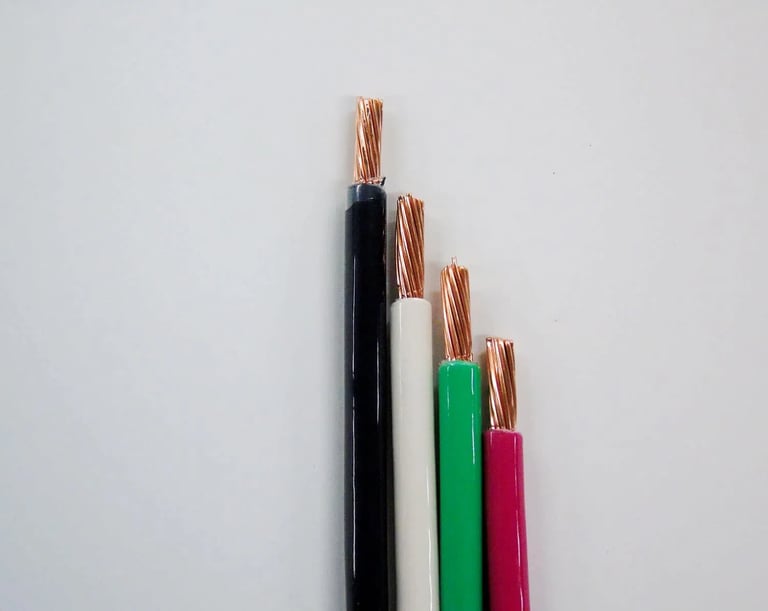
XHHW-2 cable represents a premium electrical cable solution utilizing advanced thermoset insulation technology. The designation X indicates Cross-linked Polyethylene (XLPE) insulation, HH confirms High Heat Resistant properties, W denotes Water Resistant performance, and -2 specifies the 90°C wet/dry temperature rating. Notably, the absence of N in the acronym indicates that no nylon jacket is required for this cable to achieve its insulation rating.
The thermoset insulation composition of XHHW-2 features cross-linked polyethylene, a material that undergoes a chemical bonding process creating a three-dimensional molecular network. This cross-linking process fundamentally alters the polymer structure, resulting in superior electrical insulation quality and enhanced physical properties compared to thermoplastic alternatives.
One of XHHW-2's distinctive advantages is its dual voltage rating capability, certified for both 600V and 1,000V applications. This flexibility allows electrical engineers to specify a single cable type for projects with varying voltage requirements. Additionally, XHHW-2 cables deliver hospital-grade low leakage performance, making them essential for healthcare facilities, data centers, and other critical infrastructure where electrical system reliability is non-negotiable.
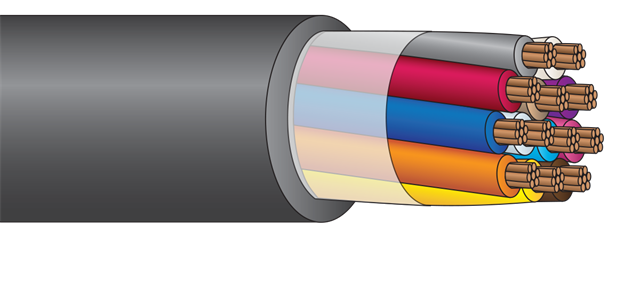
THHN/THWN-2 vs. XHHW-2: Side-by-Side Comparison
The fundamental electrical cable comparison between these two options reveals significant differences across multiple performance dimensions:
Insulation Type: The core distinction lies in thermoplastic insulation (THHN/THWN-2) versus thermoset insulation (XHHW-2). Thermoplastic materials soften when heated and can be remolded, while thermoset materials undergo irreversible chemical bonding during manufacturing, creating a more stable molecular structure.
Cost Analysis: THHN/THWN-2 offers lower cost due to simpler manufacturing processes and less expensive raw materials. XHHW-2 commands higher cost reflecting its advanced cross-linked polyethylene cable technology and superior performance characteristics.
Jacket Requirements: THHN/THWN-2 requires a nylon jacket to achieve its rated insulation performance, adding a necessary layer that increases the overall cable diameter. XHHW-2's robust XLPE insulation eliminates the nylon jacket requirement, resulting in a more streamlined cable design.
Insulation Thickness and Durability: Cross-linked polyethylene provides thicker and more durable insulation compared to PVC-based thermoplastic options. This enhanced thickness contributes to better mechanical protection and longer service life.
Electrical Insulation Quality: XHHW-2 demonstrates higher resistance levels, providing superior electrical isolation between conductors and ground. This characteristic becomes critical in sensitive electronic environments and moisture-prone installations.
Leakage Performance: While THHN/THWN-2 meets standard grade requirements for typical applications, XHHW-2 achieves hospital grade performance with significantly lower leakage currents—essential for medical equipment and precision electronic systems.
Voltage and Temperature Ratings: Both cables share the same 90°C wet/dry temperature rating, but XHHW-2's dual rated 600V/1,000V capability provides additional application flexibility not available with THHN's 600V limitation.
Key Performance Differences Explained
The superior insulation resistance of XHHW-2 stems directly from the cross-linking process. When polyethylene molecules are chemically bonded into a three-dimensional network, the resulting structure resists moisture penetration more effectively than thermoplastic alternatives. This molecular architecture also prevents the material from softening under sustained thermal stress, maintaining consistent electrical properties throughout the cable's service life.
Cross-linked polyethylene advantages extend beyond basic insulation. The material exhibits excellent moisture and water resistance capabilities, crucial for installations in damp locations, underground conduit systems, or areas with high humidity. While THHN/THWN-2 cables are water-resistant, their thermoplastic insulation can absorb more moisture over time compared to the essentially impermeable XLPE insulation.
Long-term durability comparison favors XHHW-2 in demanding applications. The thermoset insulation maintains its physical and electrical properties under continuous thermal cycling, mechanical stress, and environmental exposure. THHN/THWN-2 cables, while perfectly adequate for standard applications, may experience gradual degradation of the thermoplastic insulation under sustained harsh conditions.
Fire safety characteristics differ between these cable types. XLPE insulation demonstrates superior heat resistance properties and tends to produce less smoke during combustion compared to PVC-based thermoplastic insulation, an important consideration for occupied buildings and critical infrastructure.
Cost-Benefit Analysis
Total project cost considerations must account for both initial material expenses and long-term performance factors. For residential wiring projects and general commercial installations operating under normal environmental conditions, THHN/THWN-2 provides excellent value. The lower upfront cost allows budget-conscious contractors to specify compliant, safe electrical systems without overengineering.
However, the premium investment in XHHW-2 pays off in high-performance applications. Hospitals and healthcare facilities require the low leakage performance that only hospital-grade cable can provide. Medical imaging equipment, patient monitoring systems, and surgical devices demand the superior electrical insulation quality of cross-linked polyethylene to prevent interference and ensure patient safety.
Data centers and critical infrastructure represent another category where XHHW-2's return on investment justifies the higher cost. The enhanced durability reduces maintenance requirements and extends replacement cycles. When downtime costs thousands of dollars per minute, the reliability of thermoset insulation becomes a critical business decision rather than merely a technical specification.
Application Guide: Which Cable Should You Use?
THHN/THWN-2 Applications
THHN cable excels in residential wiring projects including branch circuits, lighting systems, and general power distribution. The cost advantage becomes significant in large residential developments where thousands of feet of cable are required, and standard environmental conditions prevail.
General-purpose commercial installations benefit from THHN/THWN-2's proven reliability and widespread availability. Office buildings, retail spaces, and light industrial facilities operating standard electrical equipment can specify this cable with confidence for indoor electrical distribution.
Cost-sensitive construction projects that must meet strict budget parameters while maintaining code compliance find THHN/THWN-2 an ideal solution. The cable meets National Electrical Code requirements for most typical applications without the premium cost of specialty alternatives.
XHHW-2 Applications
Hospital and healthcare facility wiring mandates XHHW-2 or equivalent low-leakage cables near sensitive medical equipment. The superior insulation prevents stray currents that could interfere with diagnostic equipment or patient monitoring systems. Operating rooms, intensive care units, and imaging departments particularly benefit from this cable type.
Data centers and critical infrastructure demand the reliability that comes with higher resistance electrical insulation. Server rooms, telecommunications facilities, and emergency power systems require cables that maintain performance under continuous operation and variable loading conditions.
Moisture-prone environments including parking garages, mechanical rooms, and outdoor conduit systems justify XHHW-2 specification. The superior moisture resistance of XLPE insulation provides long-term reliability where condensation or occasional water exposure occurs.
High-reliability electrical systems supporting critical processes in manufacturing, research laboratories, or financial operations benefit from XHHW-2's enhanced durability and consistent performance characteristics. Installations requiring low leakage performance for sensitive electronic equipment or precision instrumentation should always specify this cable type.
Common Cable Issues and Solutions
Q: Why does my THHN cable jacket feel stiff in cold weather?
Thermoplastic materials become less flexible at low temperatures. This normal characteristic of PVC insulation doesn't affect electrical performance but requires careful handling during winter installations to prevent jacket cracking. Warming cables to room temperature before installation in cold environments prevents damage.
Q: Can I substitute XHHW-2 for THHN/THWN-2 to meet project specifications?
Generally yes—XHHW-2's superior performance characteristics exceed THHN/THWN-2 requirements. However, verify that connectors and terminations accommodate the cable's outer diameter, and confirm that the project budget allows for the cost difference.
Q: What causes premature insulation failure in moisture-exposed installations?
Using THHN/THWN-2 in continuously damp locations can lead to moisture ingress over time. While the cable is water-resistant, prolonged exposure in harsh environments favors XHHW-2's superior moisture barrier. Proper conduit sealing and appropriate cable selection prevent this issue.
Q: Why do some specifications require XHHW-2 specifically for hospital installations?
Hospital-grade electrical systems require extremely low leakage currents to prevent interference with sensitive medical devices. XHHW-2's high-quality XLPE insulation provides the necessary leakage performance that thermoplastic alternatives cannot consistently achieve.
Electrical Code & Standards Compliance
The National Electrical Code (NEC) establishes minimum requirements for both THHN/THWN-2 and XHHW-2 cables. Understanding these specifications ensures proper cable selection and installation. Both cable types must meet voltage rating specifications appropriate to their application—600V for standard systems, with XHHW-2 offering the additional 1,000V option for specialized installations.
Temperature rating specifications directly impact ampacity calculations and conductor sizing. The 90°C wet/dry rating common to both cables allows for higher current-carrying capacity compared to older 75°C rated conductors, enabling smaller wire sizes in many applications while maintaining safety margins.
Installation Considerations & Best Practices
Proper installation techniques vary between these cable types. THHN/THWN-2's nylon jacket provides good abrasion resistance but requires attention during pulling through conduit to prevent damage. The jacket's relative stiffness at cold temperatures necessitates appropriate handling procedures.
XHHW-2's thicker XLPE insulation generally provides better mechanical protection during installation. However, the cable's larger diameter may require consideration when calculating conduit fill and planning wire pulls through existing raceways.
Environmental factors affecting cable selection include ambient temperature ranges, exposure to moisture, chemical atmospheres, and UV radiation. Indoor installations protected from environmental extremes suit either cable type, while harsh conditions favor XHHW-2's robust thermoset insulation.
Conclusion & Recommendations
The choice between THHN/THWN-2 and XHHW-2 ultimately depends on application requirements, environmental conditions, and budget constraints. THHN/THWN-2 provides cost-effective, reliable performance for standard residential and commercial installations where environmental conditions remain moderate and low-leakage performance is not required.
XHHW-2 justifies its premium cost through superior insulation resistance, enhanced moisture protection, dual voltage capability, and hospital-grade leakage performance. Critical applications in healthcare, data centers, and high-reliability systems benefit significantly from these advanced characteristics.
For electrical contractors and engineers making cable selection decisions, consider these key factors: environmental exposure, moisture levels, required leakage performance, voltage requirements, budget parameters, and long-term maintenance implications. When project specifications demand maximum reliability or when installing in challenging environments, XHHW-2 represents the optimal choice. For typical building installations under normal conditions, THHN/THWN-2 delivers proven performance at attractive cost.
When specifications require precise engineering analysis or when application conditions fall outside typical parameters, consulting with experienced electrical engineers ensures optimal cable selection for project success and long-term performance.
How to Reach Us
Get in Touch
SiteMap
Product Catalogue
Festoon Cable
Shore Power Cable




Scan to add us on WeChat