TROMMELFLEX-M-PUR D2X11Y 1 KV Cable: The Complete Guide for Australian Underground Mining Operations
Discover why TROMMELFLEX-M-PUR D2X11Y 1KV reeling cables are essential for Australian underground mining. Superior abrasion resistance, halogen-free design, and proven reliability for drilling rigs and LHD equipment.
hongjing.Wang@Feichun
5/12/20268 min read
Introduction
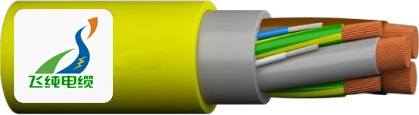
Underground mining in Australia demands equipment that can withstand extreme mechanical stress, moisture exposure, and constant movement. One cable that has become increasingly popular across Australian mining operations is the TROMMELFLEX-M-PUR D2X11Y 1KV—a low voltage reeling cable specifically engineered for the harsh conditions found in drilling operations, load haul dump machines, and scoops.
This cable represents a significant step forward in mining cable technology, offering features that directly address the pain points experienced by Australian mining contractors and operators. Whether you're working in the depths of Western Australia's gold mines or managing operations across Queensland's coal seams, understanding this cable's capabilities can make the difference between consistent productivity and costly downtime.
Why Cable Selection Matters in Underground Mining
The underground mining environment is unforgiving. Your equipment operates in conditions that would test any electrical system: constant vibration, sharp contact edges, extreme bending, and exposure to water and dust. Standard industrial cables simply don't cut it. When a cable fails underground, you're not just replacing a component—you're managing production losses, safety delays, and potential injury risks.
Australian mining operations lose millions annually to equipment downtime caused by cable failures. In many cases, inadequate cable selection is the root cause. Operators choose cables based on initial cost rather than total cost of ownership, only to face repeated failures that compound expenses far beyond the original savings.
The real cost of cable failure includes not just the replacement itself, but the cascading impacts: crew downtime, equipment repositioning, compressed air system shutdowns, and scheduling delays. For operations running on tight schedules—whether it's a contract deadline or seasonal production windows—cable reliability directly affects profitability.
Real-World Application: Gold Mine in Kalgoorlie
Consider the example of a mid-size gold operation near Kalgoorlie in Western Australia. The operation ran three development drives simultaneously, each equipped with a modern drilling rig. The previous cable setup, using standard rubber-insulated cables, was experiencing failures every 18 months despite careful maintenance.
The repeated failures weren't dramatic ruptures—they were gradual sheath degradation from constant dragging across jagged rock edges and sharp loader buckets. Each failure meant calling in a service team, replacing damaged sections, and losing 2-3 days of production while crews removed and reinstalled cables.
When the operation switched to cables with polyurethane sheaths and reinforced abrasion resistance, failure intervals extended to over three years. More importantly, the cable maintained its mechanical properties through the intense reeling cycles required for drilling operations. The operation recouped the higher initial investment within the first two years through reduced downtime and maintenance costs.
Understanding the TROMMELFLEX-M-PUR D2X11Y 1KV
This cable represents a purpose-built solution for low voltage power distribution in mobile mining equipment. Unlike general-purpose industrial cables, every aspect of its design addresses specific mining challenges.
Polyurethane Sheath Advantage
The outer sheath uses polyurethane rather than standard rubber compounds. This matters more than many operators realise. Polyurethane provides superior resistance to the abrasion that occurs when cables drag across rough underground surfaces, sharp equipment edges, and jagged rock faces. Traditional rubber sheaths deteriorate under these conditions within months. Polyurethane maintains its integrity through thousands of cycles of contact and movement.
Additionally, polyurethane offers better flexibility across temperature ranges. In underground environments where summer ventilation creates warm conditions and winter operations remain cool, this flexibility prevents the brittleness that causes cracking in lesser materials.
Halogen-Free Construction
The halogen-free design addresses both safety and regulatory requirements increasingly important in Australian operations. When subjected to heat or fire, halogen-free cables produce minimal toxic gases and smoke compared to traditional PVC insulation. In the confined space of an underground mine, this difference can be literally life-saving.
Australian mining operations are moving toward halogen-free specifications as standard practice. Equipment manufacturers are specifying these cables in their documentation, and insurance companies increasingly recognise the safety benefits in their premium structures. Using halogen-free cables isn't just compliance—it's prudent risk management.
Fine Stranded Conductors for Reeling Applications
The cable uses finely stranded copper conductors specifically engineered for constant reeling cycles. Unlike cables with more loosely twisted strands, fine stranding distributes flexing stress more evenly across the conductor. This dramatically extends cable life in applications where the cable is wound and unwound repeatedly during drilling or loading operations.
The short lay length design (the distance between twists of the conductor strands) further enhances bending performance. This technical specification ensures the cable can navigate the tight bend radiuses required in modern cable reel systems without creating pressure points that degrade internal conductors.
Mechanical Performance in Demanding Conditions
This cable is rated for reeling operations at speeds up to 60 metres per minute. This specification isn't arbitrary—it reflects the real operating conditions of drilling rigs and load haul dump machines in active mines. High-speed reeling generates significant mechanical stress on cables, and undersized or inadequate cables fail progressively under these conditions.
The torsional stress rating of +/- 50 degrees per metre reflects another real-world challenge. As equipment moves underground, cables twist and rotate. Cables without adequate torsional resistance develop internal damage that isn't visible on the sheath but gradually degrades performance until sudden failure occurs.
The bending radius specifications tell an important story: four times the cable diameter for fixed installations, but eight times the diameter during reeling operations. This distinction matters because many operators attempt to use cables on smaller diameter reels than the cable is engineered for, creating premature failures.
Real-World Application: Scoop Operations in Mount Isa
A large copper operation in Mount Isa, Queensland, operates multiple load haul dump machines in tight development drives where space constraints are constant. The previous cable system used larger diameter cables that were difficult to manage in the confined reeling systems. Cable changes required significant manpower and extended equipment downtime.
Switching to cables with optimised dimensions—smaller overall diameter without compromising performance—allowed the operation to maintain existing reel systems. More importantly, the improved abrasion resistance meant cables lasted through 40-50 operating cycles before requiring replacement, compared to 15-20 cycles with the previous setup.
The operation quantified this improvement: elimination of emergency cable replacement calls, reduced inventory carrying costs, and improved equipment availability. The financial impact across a year of operations was substantial—approximately $180,000 in avoided downtime costs and reduced inventory investment.
Chemical and Environmental Resilience
Underground mining environments expose cables to multiple chemical stressors: moisture, acidic water from certain formations, dissolved minerals, and occasional exposure to diesel fuel or hydraulic fluid spills. The cable's chemical resistance profile addresses these real hazards.
The halogen-free inner layer provides an additional protective barrier against moisture ingress. This is particularly important in operations with water inflow, where cables must remain functional even when wet. The polyurethane outer sheath resists oil and fuel contact, critical for locations where equipment refuelling or maintenance occurs near cable runs.
The water resistance rating of up to 10 metres depth reflects Australian mining realities. Some underground operations encounter water tables or water inflow that creates working environments where cables operate in damp or wet conditions. This specification ensures the cable maintains integrity under these conditions.
Integration with Modern Mining Equipment
Contemporary drilling rigs, load haul dump machines, and scoops are engineered with specific cable specifications. Equipment manufacturers increasingly specify cables with these characteristics in their documentation, reflecting the industry-wide recognition that cable selection directly affects equipment performance and safety.
The 0.6/1 kV (1.2 kV) rated voltage matches the electrical systems used in most modern mobile mining equipment. Lower voltage systems (which this cable serves) are becoming standard in new equipment because they offer inherent safety advantages in wet or damp environments while maintaining adequate power delivery for equipment operations.
Real-World Application: Queensland Coal Mine Expansion
A thermal coal operation in Queensland's Bowen Basin was developing new underground sections using modern equipment with integrated power management systems. The new equipment specified low voltage systems with premium cable requirements—specifically for halogen-free materials and enhanced abrasion resistance.
The operation initially considered alternatives that appeared to meet the technical specification at lower cost. However, the equipment manufacturer's technical support team emphasised that cable reliability directly affected the safety systems integrated into modern equipment. The manufacturer specifically recommended cables engineered for reeling applications with proven abrasion resistance in underground environments.
After six months of operation, this emphasis proved justified. A section of cable that had been improperly routed (creating sharper bend radius than intended) showed visible sheath damage. The protective design of the cable prevented failure—instead, the damage was contained to the outer sheath. A scheduled maintenance replacement prevented what would have been a catastrophic failure during a critical production period.
Maintenance and Longevity Considerations
Proper cable installation and maintenance significantly extends service life. This cable is engineered for longevity, but realising that potential requires attention to several practical considerations.
Avoiding excessive twisting, maintaining correct reel alignment, and inspecting sheath wear regularly are not optional extras—they're essential practices that directly determine whether your cables reach their engineered lifespan. Many operations find that documenting cable installation details, tracking operating hours, and scheduling preventive maintenance based on wear patterns delivers significant cost savings.
Replacing damaged sections early, before core damage develops, is more cost-effective than managing failures. A cable section showing outer sheath damage but still functioning can be replaced at planned maintenance intervals, avoiding emergency replacement situations that always cost more.
Cost-Benefit Analysis for Australian Operations
The higher initial cost of premium mining cables often triggers resistance from cost-conscious operators. However, total cost of ownership analysis typically tells a different story.
Consider an operation purchasing cables for a drilling program. Initial cost difference between standard industrial cables and purpose-engineered mining cables might be 30-40 percent. However, if purpose-engineered cables last three times longer and reduce emergency replacement costs, the calculation changes dramatically.
When you factor in avoided downtime, reduced inventory carrying costs, improved equipment availability, and safety benefits, many Australian operations find that investing in premium cables is simply good economics. The payback period is typically 12-18 months, with benefits accruing for years thereafter.
Key Specifications at a Glance
This cable is engineered for applications requiring frequent dynamic loads, constant movement, and exposure to mechanical abrasion. The core specifications include fine stranded conductors providing excellent flexibility, XLPE insulation ensuring reliable electrical performance, and a halogen-free protective layer beneath the polyurethane sheath.
The cable maintains integrity across the temperature range typical in Australian underground operations: negative 30 degrees during flexible operations in cool conditions to positive 80 degrees in ventilated working areas. This temperature range reflects real Australian mining conditions across different seasons and ventilation scenarios.
Current carrying capacity varies by conductor size, ranging from 131 amperes for the smallest configuration to over 500 amperes for larger conductor bundles. This range allows operations to select appropriately sized cables—not oversized (which wastes money and creates management problems) and not undersized (which causes overheating and failure).
Addressing Common Operator Concerns
Many operators ask whether halogen-free cables perform identically to traditional compounds in normal operation. The answer is straightforward: yes. Halogen-free designs have been standard in European mining operations for years, with extensive field data confirming equivalent performance in routine conditions. The difference emerges only in fire scenarios or extreme heat exposure—conditions where the halogen-free design provides superior safety characteristics.
Another common concern involves whether premium cables justify their cost for short-term operations or rehabilitation projects. Here, the answer depends on specific circumstances. For operations running 24 months or less, lower-cost alternatives might be economically justified if cable reliability risk is acceptably low. For operations extending beyond 24 months, the longevity advantage becomes financially compelling.
Questions about compatibility with existing equipment reel systems are important. The cable's specified bend radius must align with equipment reels. Attempting to use this cable on undersized reels creates premature failure. Conversely, using oversized reels is wasteful but doesn't create safety or performance issues. Consulting equipment specifications during cable selection prevents problems.
Expert Summary
The TROMMELFLEX-M-PUR D2X11Y 1KV represents a mature, proven solution for low voltage power distribution in Australian underground mining environments. Its polyurethane sheath, fine stranded conductors, and halogen-free design address the specific challenges of reeling applications in mobile equipment operating under extreme mechanical stress.
The cable's real-world performance in Australian operations demonstrates consistent advantages: extended service life, reduced emergency replacement situations, and improved equipment availability. While initial cost is higher than standard industrial cables, total cost of ownership analysis typically favours premium cables, with payback periods of 12-18 months.
For operations committed to minimising downtime, improving safety outcomes, and optimising equipment availability, this cable represents a proven, field-tested choice. The extensive Australian field data supports its reliability in our specific operating conditions, from tropical Queensland coastal mines to the arid underground operations of Western Australia's goldfields.
The investment in premium cable selection is ultimately an investment in operational resilience and profitability.
How to Reach Us
Get in Touch
SiteMap
Product Catalogue
Festoon Cable
Shore Power Cable


Scan to add us on WeChat