

Type 455 3.3 to 33KV Reeling & Trailing Cable: Engineering Excellence for Stacker Reclaimer Applications
Discover Type 455 mining cables 3.3-33KV for reeling & trailing applications. Reduced weight, compact design, ideal for stacker-reclaimer equipment. Get specifications now.
hongjing.Wang@Feichun
11/4/202512 min read
Introduction to Advanced Mining Cable Technology
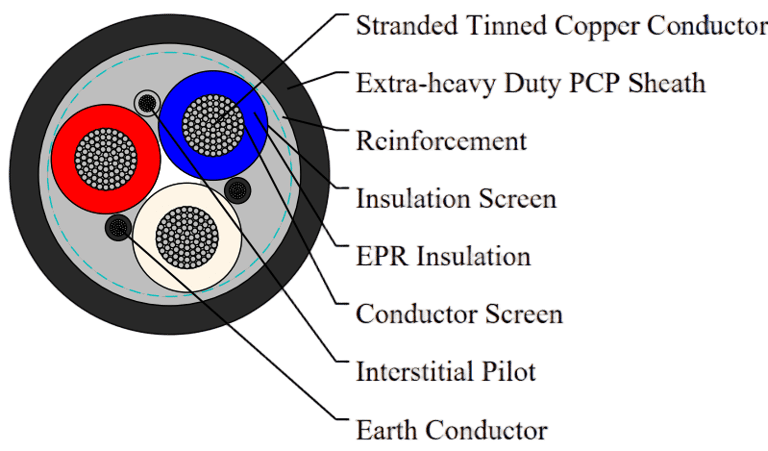
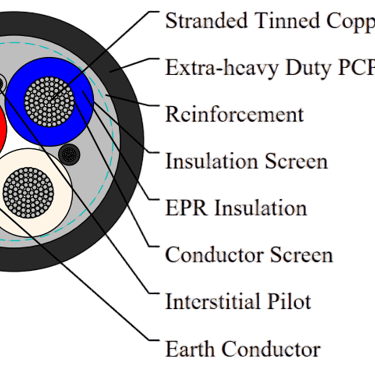
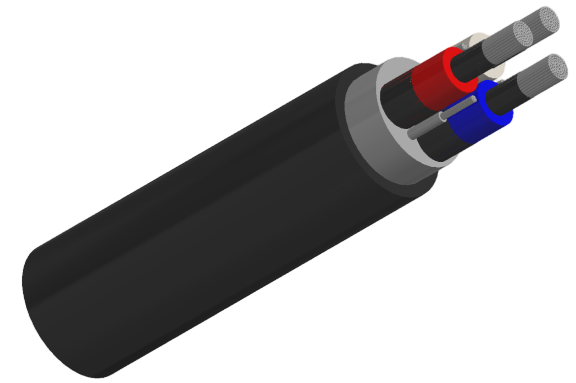
The evolution of material handling equipment has driven corresponding advances in power delivery systems. Modern stacker-reclaimer installations demand cables that balance electrical performance, mechanical durability, and operational efficiency. The Type 455 3.3 to 33KV reeling cable emerges as a specialized solution engineered to meet these exacting requirements in mining, port, and industrial material handling environments.
Understanding the distinction between reeling and trailing cable functionality proves essential for proper equipment specification. Reeling cables undergo continuous winding and unwinding cycles on powered cable drums as equipment travels along rails, subjecting them to repetitive bending stress and mechanical fatigue. Trailing cables, conversely, follow mobile apparatus across operational areas without disconnection, experiencing different mechanical stresses from dragging and lateral movement. The Type 455 excels in both applications through its innovative reduced diameter mining cable for stacker reclaimer design philosophy.
Compliance with AS/NZS 2802:2000 provides assurance that this industrial power cable meets stringent Australian and New Zealand standards for mining equipment electrical safety. This regulatory framework addresses critical performance parameters including voltage ratings, insulation integrity, flame retardancy, and mechanical protection necessary for reliable operation in demanding industrial environments.
Innovative Design Features and Construction Excellence
Minimized Dimensions Through Engineering Optimization
The Type 455's defining characteristic lies in its reduced insulation thickness reeling cable construction. Traditional mining cables often incorporate conservative insulation and sheath dimensions that add unnecessary bulk. Through careful electrical engineering and material selection, the Type 455 achieves required voltage ratings with substantially thinner insulation layers, reducing overall cable diameter without compromising electrical safety margins.
This compact design reeling cable approach delivers measurable operational advantages. Cable drum capacity increases proportionally as diameter decreases—a 15% reduction in diameter translates to approximately 30% additional cable length on standard reels. For stacker-reclaimer cable mining operations requiring 500-800 meters of travel distance, this capacity improvement may eliminate the need for oversized drum assemblies, reducing equipment cost and complexity.
Weight reduction represents another significant benefit of the minimal diameter design. The lightweight trailing cable advantages extend beyond easier manual handling to reduced dynamic loads on reeling mechanisms. Lower cable mass decreases motor power requirements for drum operation and reduces structural stress on support systems. Over thousands of operating cycles, these reduced mechanical loads extend equipment service life and decrease maintenance frequency.
Advanced Core Configuration for Enhanced Safety
The dual earth core mining cable configuration incorporates two dedicated earth conductors providing redundant grounding pathways. This redundancy proves critical in mining and industrial environments where cable damage from mechanical impact, abrasion, or chemical exposure poses ongoing risks. Should one earth core sustain damage compromising its conductivity, the second core maintains protective grounding continuity until repairs can be scheduled.
The pilot core cable element adds sophisticated monitoring capability to the grounding system. This small-diameter conductor forms a continuous loop through the earth cores, enabling earth continuity relay equipment to measure ground path resistance in real-time. The Type 455 cable earth continuity relay system can detect subtle increases in earth resistance indicating developing faults, enabling proactive maintenance before hazardous conditions develop.
Unlike some mining cable designs employing different sizes for power, earth, and pilot cores, the Type 455 specifies uniform core sizing for earth and pilot conductors. This standardization simplifies installation procedures—technicians don't need to identify specific cores during termination—and ensures consistent electrical characteristics throughout the protective grounding system. All power cores incorporate semiconductive screening layers that distribute electrical stress uniformly around conductors, particularly important at higher voltage ratings where field concentrations could initiate insulation breakdown.
Cradle-Free Construction for Superior Flexibility
The Type 455 cable without cradle design represents a fundamental departure from conventional mining cable construction philosophy. Traditional cables frequently incorporate helical cradle layers—wrappings of filler material maintaining circular cable geometry and providing mechanical cushioning for internal conductors. While effective for permanent installations, cradles add weight, increase diameter, and reduce flexibility.
By eliminating the cradle, the flexible mining cable achieves superior bending performance essential for reeling applications. The cable conforms more readily to drum curvature, distributing bending stress more evenly across the cross-section. This enhanced flexibility for frequent coiling directly translates to extended fatigue life. Laboratory testing and field experience demonstrate that cradle-free designs can withstand two to three times more bending cycles than equivalent cradled constructions.
The absence of a cradle also contributes to the Type 455's reduced diameter. Without filler material occupying space between cores, the overall cable cross-section decreases while maintaining required conductor sizes. This space efficiency exemplifies the careful engineering balance the Type 455 strikes between electrical performance, mechanical durability, and operational practicality.
Comprehensive Electrical Specifications
The Type 455 accommodates voltage requirements spanning from 3.3KV cable applications to 33KV mining cable current capacity requirements, providing flexibility for diverse equipment designs. Common voltage configurations include 6.6KV for medium-power equipment, 11KV for standard industrial installations, 22KV for long-distance power transmission, and 33KV for high-power stacker-reclaimer systems. This voltage range allows equipment designers to optimize power transmission efficiency based on current requirements and transmission distance.
EPR insulated mining cable construction employs Ethylene Propylene Rubber selected for its exceptional electrical and mechanical properties. EPR maintains excellent insulation resistance across wide temperature ranges, typically supporting continuous conductor temperatures from -40°C to +90°C under normal operating conditions. This thermal performance proves essential for equipment operating in diverse climates—from tropical port facilities experiencing intense solar heating to frigid mining operations in alpine or polar regions.
The insulation system exhibits superior resistance to environmental degradation compared to alternative materials. EPR resists ozone attack, ultraviolet radiation, and moisture absorption, maintaining electrical integrity throughout extended service life. Chemical resistance to oils, fuels, and industrial solvents commonly encountered in mining and port environments further enhances reliability.
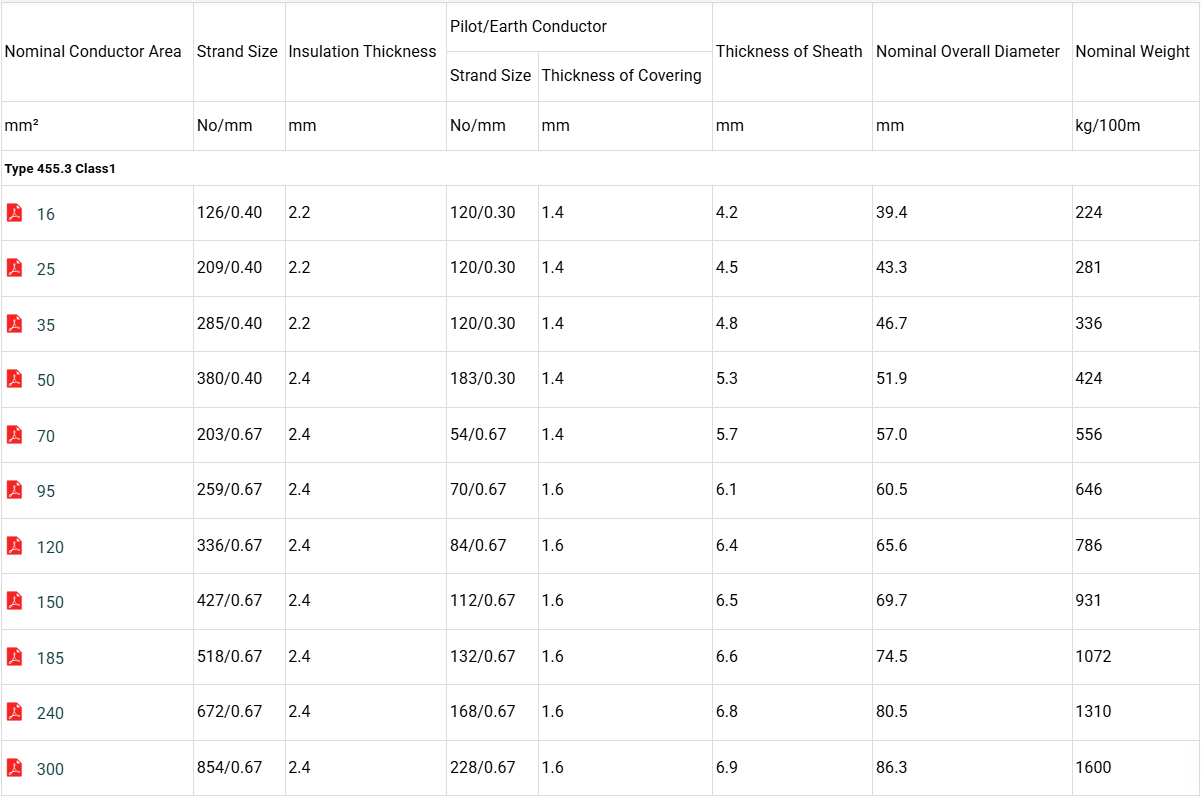
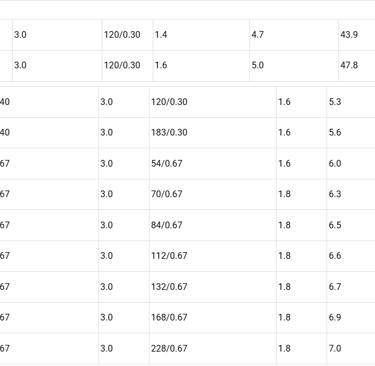
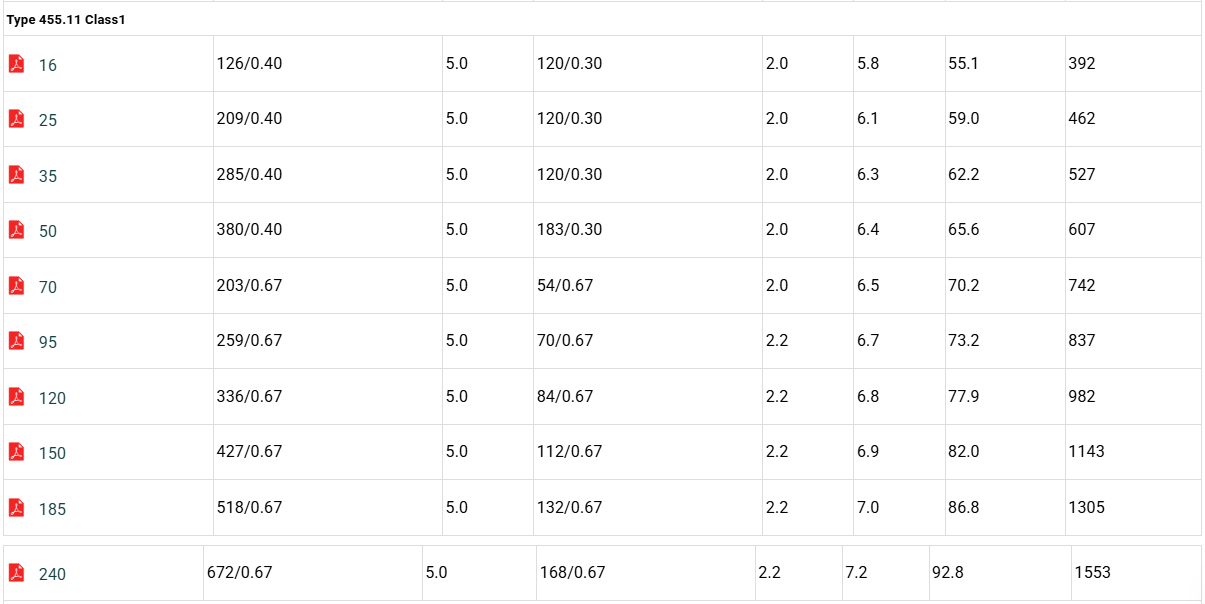
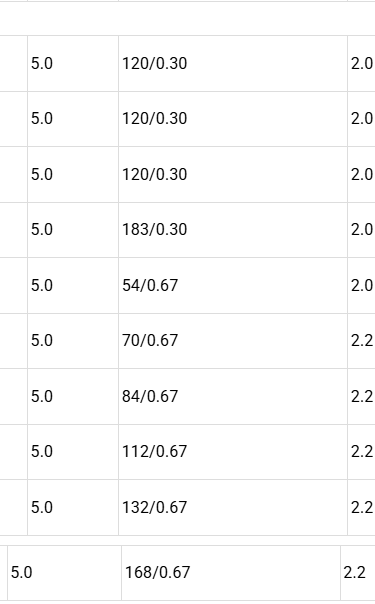
Conductor materials employ high-conductivity copper stranded to provide flexibility while maintaining low electrical resistance. The mining cable voltage specifications determine insulation thickness according to electrical stress levels, while current-carrying capacity dictates conductor cross-sectional area. Standard conductor sizes range from 16mm² for pilot cores to 240mm² for high-power applications, with custom configurations available for specialized requirements.
Diverse Applications Across Material Handling Industries
Stacker-Reclaimer Systems: The Primary Application
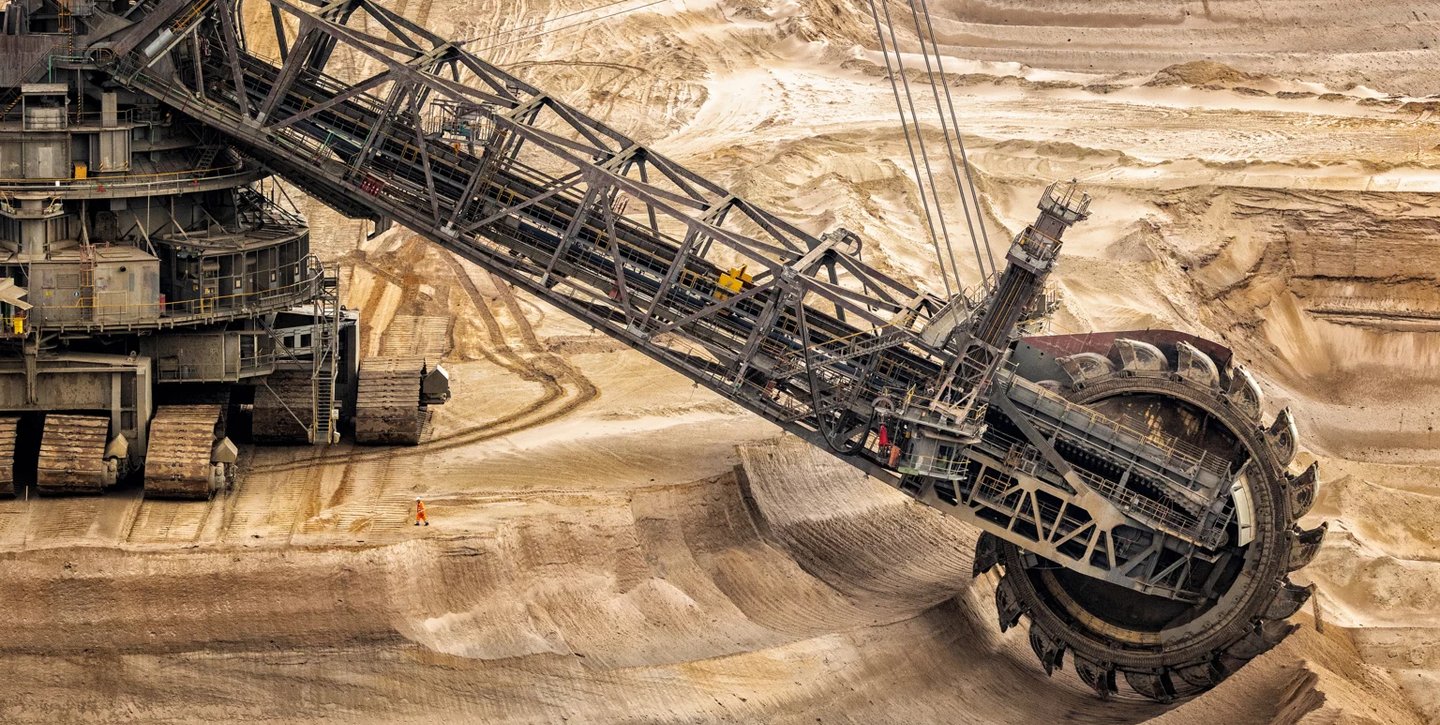
Rail-mounted stacker reclaimer equipment represents the Type 455's primary application environment. These massive machines perform dual functions—stacking incoming bulk materials into organized stockpiles and later reclaiming stored materials for processing or export. Operating in coal terminals, iron ore facilities, grain elevators, and aggregate yards, stacker-reclaimers require reliable power delivery throughout continuous duty cycles often exceeding 20 hours daily.
The reeling cable for rail-mounted equipment must accommodate travel distances frequently exceeding 500 meters. As the machine travels from its parking position to working locations, cable winds onto a motor-driven drum mounted on the equipment. Return travel unwinds the cable, subjecting it to reverse bending cycles. Quality mining reeling cable applications can withstand 100,000 or more reeling cycles over typical 5-10 year service lives.
Port terminal reeling cable systems face additional environmental challenges. Maritime atmospheres containing salt spray accelerate corrosion of exposed components. Particulate matter from coal dust, iron ore, or grain creates abrasive conditions affecting cable surfaces. The Type 455's robust sheath construction and corrosion-resistant materials provide protection against these harsh operating conditions.
Extended Applications in Mobile Equipment
Beyond stacker-reclaimers, the Type 455 serves effectively as trailing cable for mobile equipment including draglines, walking excavators, and mobile crushers. In dragline applications, cables may trail behind equipment for distances exceeding 100 meters, dragging across uneven terrain and bending around obstacles. The lightweight reeling cable advantages—reduced weight and enhanced flexibility—translate directly to improved performance in these demanding applications.
Industrial conveyor systems increasingly incorporate mobile transfer units that reposition along conveyor routes to optimize material flow. These systems require power cables accommodating frequent movement without degradation. The Type 455's flexibility and durability make it ideal for such applications where conventional fixed cables would fail prematurely.
Container handling equipment in port facilities, including rubber-tyred gantry cranes and automated stacking cranes, also benefit from Type 455 cable characteristics. While these machines typically use festoon or cable reel systems different from traditional stacker-reclaimer installations, the same performance attributes—compact design, light weight, and flexibility—enhance operational efficiency.

Quantifiable Performance Advantages
Space Efficiency and Capacity Optimization
The Type 455 reduced diameter cable benefits translate directly to increased storage capacity on cable reels. Compared to standard mining cables at equivalent voltage ratings, the Type 455 typically achieves 20-30% smaller overall diameter. Since reel capacity varies with the square of cable diameter, this reduction yields substantial capacity improvements. A reel accommodating 400 meters of standard cable might store 520-550 meters of Type 455 cable—a significant advantage for long-travel applications.
This capacity increase eliminates the need for oversized drum assemblies in many installations. Smaller drums reduce equipment cost, simplify mechanical design, and decrease the overall footprint of reeling systems. In space-constrained environments typical of port facilities and underground mining operations, these dimensional savings facilitate equipment installation and improve operational flexibility.
Operational Efficiency Through Reduced Mass
Lower cable mass delivers multiple operational benefits. The lightweight trailing cable advantages begin with simplified manual handling during installation and maintenance. While large mining cables typically require lifting equipment for all manipulation, Type 455 cables in smaller conductor sizes may allow two-person teams to manage cable sections safely. This accessibility accelerates maintenance procedures and reduces equipment requirements for routine inspections.
Reduced rotational inertia on cable drums represents another significant advantage. Lower inertia allows faster acceleration and deceleration of reeling mechanisms, enabling increased equipment travel speeds without cable damage. In high-productivity operations where cycle time directly impacts throughput, these speed improvements accumulate to measurable productivity gains. An analysis of stacker-reclaimer operations demonstrated that switching to reduced-diameter cables enabled 8-12% faster travel speeds, translating to 5-7% higher overall system throughput.
Dynamic loading on support structures also decreases with lighter cables. During equipment acceleration and braking, cable mass creates inertial forces transmitted to drum assemblies and support frameworks. Reducing these forces by 20-30% through lighter cable design extends structural fatigue life and reduces maintenance requirements on mechanical components.
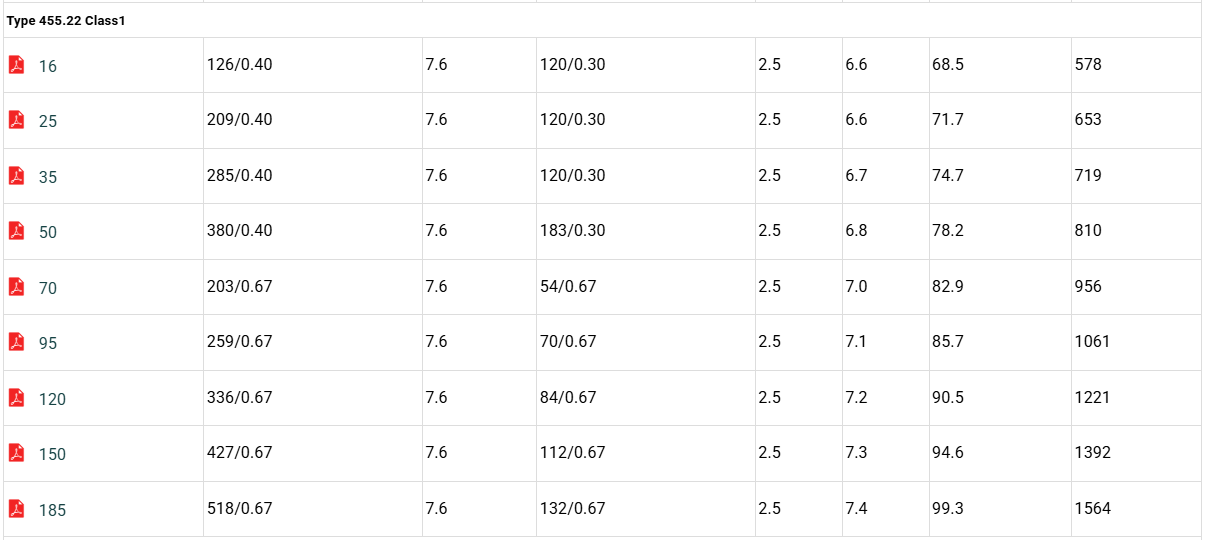
Comprehensive Safety Systems and Standards Compliance
Multi-Layer Electrical Protection
The mining cable safety certification AS/NZS framework establishes stringent requirements for cables serving mobile mining and material handling equipment. The Type 455's dual earth core configuration provides the foundation for comprehensive electrical protection. Both earth cores connect to equipment grounding systems, creating parallel pathways for fault current. This redundancy ensures that protective devices operate reliably even if one earth conductor sustains damage.
The pilot core protection system integrates with earth continuity relay (ECR) equipment mounted in power distribution panels. The ECR circulates a small monitoring current through the pilot core and earth conductors, continuously measuring loop resistance. Should earth resistance exceed predetermined thresholds—typically 5-10 ohms depending on system voltage—the ECR interrupts main power supply within milliseconds, preventing equipment from operating with compromised grounding.
This Type 455 cable earth continuity relay system protection proves critical in preventing electrical shock hazards. In mining environments where equipment may contact conductive structures, operate in wet conditions, or sustain mechanical damage, maintained grounding provides the primary defense against electrocution. The monitoring system detects deteriorating ground connections before they compromise safety, enabling proactive maintenance that prevents hazardous conditions.
Regulatory Compliance and Testing
AS/NZS 2802:2000 compliance encompasses comprehensive requirements beyond basic electrical specifications. The standard mandates flame retardancy testing according to IEC 60332-3-24, verifying that cables resist flame propagation even when installed in vertical bunches. This characteristic prevents fire spread along cable routes, a critical safety consideration in confined spaces and underground installations.
Mechanical testing requirements verify cables withstand impact, crushing, and abrasion typical of industrial environments. The safety compliant reeling cable must demonstrate resistance to compression forces from equipment traffic and dropped objects. Abrasion resistance testing simulates years of operational wear, confirming that outer sheaths protect internal conductors throughout expected service life.
Environmental resistance testing subjects cables to temperature cycling, moisture exposure, ozone attack, and chemical contamination. These tests verify that insulation and sheath materials maintain integrity under harsh operating conditions. The Type 455's EPR insulation and specialized sheath compounds excel in these evaluations, demonstrating long-term reliability across diverse environmental conditions.
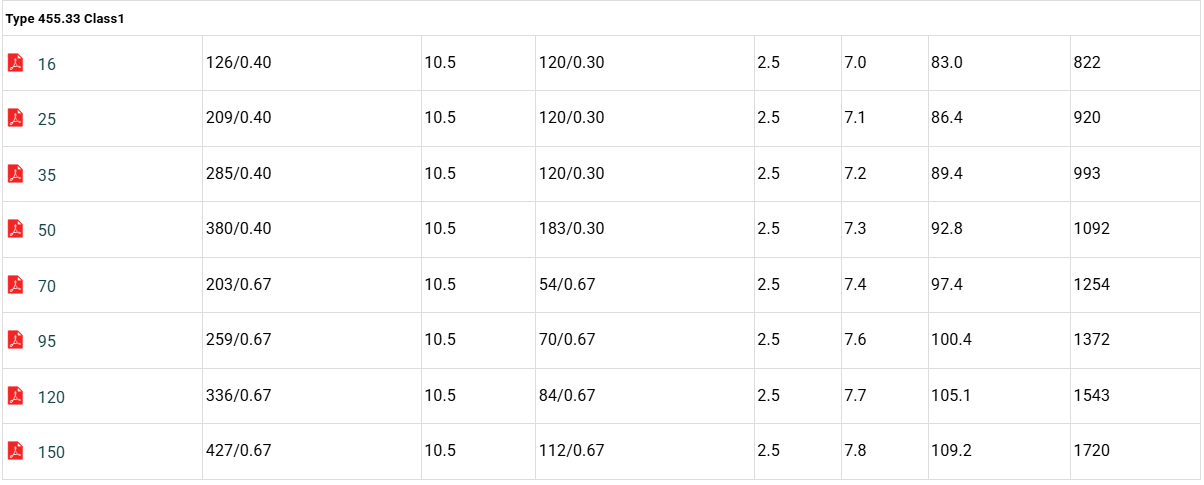
Installation Best Practices and Maintenance Protocols
Proper Installation Procedures
Successful Type 455 cable installation guide implementation begins with calculating cable reel drum compatibility. Minimum drum diameters must exceed 20-25 times cable overall diameter for reeling applications to prevent excessive bending stress. For a 50mm diameter cable, minimum drum diameter should reach 1,000-1,250mm. While the Type 455's flexibility permits tighter bending than conventional cables, adherence to these specifications ensures achieving rated service life.
Cable routing requires attention to reeling cable bend radius specifications throughout equipment structures. Static bending—fixed curves in the cable path—typically permits radii of 12-15 times cable diameter. Dynamic bending during equipment operation demands more generous radii, generally 20-25 times cable diameter. Sharp corners or tight routing constraints concentrate mechanical stress, accelerating fatigue damage and reducing service life.
Proper trailing cable grounding procedures require connecting both earth cores to equipment ground bars using appropriate termination hardware. Lugs must be sized for conductor dimensions and crimped using calibrated tools following manufacturer specifications. The pilot core connects separately to earth continuity monitoring equipment, typically through dedicated terminals on ECR units. Connection integrity directly impacts safety system effectiveness—poor connections increase loop resistance, potentially causing nuisance tripping or, worse, preventing fault detection.
Ongoing Maintenance and Inspection
Maintenance schedules for mining reeling cable applications typically specify quarterly visual inspections and annual electrical testing. Visual inspections should identify mechanical damage signs including cuts, abrasions, crushing, or sheath swelling indicating moisture ingress. Particular attention should focus on areas experiencing repeated flexing—near drum entry points and at equipment connections—where fatigue damage develops most rapidly.
Electrical testing measures insulation resistance between conductors and between conductors and earth cores, verifying insulation integrity. Measurements should exceed 100 megohms per kilometer at standard test voltages. Progressive decreases in insulation resistance indicate developing problems requiring investigation. Earth continuity testing verifies both earth cores maintain low resistance to equipment ground, confirming protective systems remain functional.
Contamination management proves important for maintaining cable performance. Accumulated coal dust, iron ore, or other particulate matter should be removed during inspections to prevent abrasive damage and moisture retention. Cable surfaces can be cleaned with mild detergent solutions followed by thorough rinsing and drying. Avoid petroleum-based solvents that may attack sheath compounds.
Comparison with Alternative Cable Types
Type 455 versus Type 450 Configuration
The Type 450 vs Type 455 difference centers on core configuration and design optimization. Type 450 cables typically incorporate cradle construction and may use different core sizing philosophies. The Type 455's elimination of the cradle and optimization for minimal diameter specifically addresses reeling application requirements. This mining cable type comparison guide distinction becomes important when specifying replacements or new installations.
For applications involving frequent reeling cycles, the Type 455's superior flexibility and reduced diameter provide clear advantages. The lighter weight and smaller drum requirements translate to lower equipment cost and improved operational efficiency. However, for less demanding applications or where cables remain relatively stationary, Type 450 configurations may offer adequate performance at lower cost.
Performance Characteristics Comparison
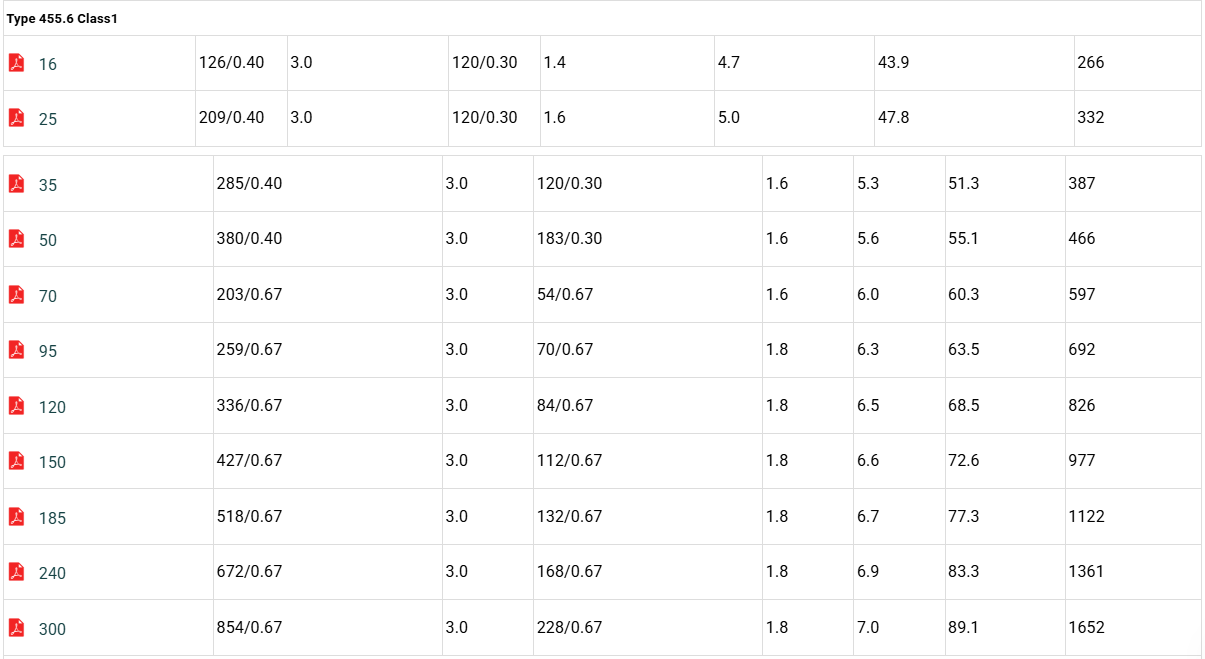
When evaluating trailing cable options, diameter and weight represent critical comparison factors. Standard mining cables at 11KV with 95mm² conductors might measure 65-70mm overall diameter and weigh 8-9 kg/meter. Equivalent Type 455 cables typically achieve 50-55mm diameter and 6-7 kg/meter weight. This 20-30% reduction in both dimensions delivers the operational benefits discussed throughout this article.
Cost comparison requires evaluating total ownership costs rather than simply cable purchase price. While Type 455 cables may command premium pricing relative to standard alternatives, the improved performance, extended service life, and reduced equipment requirements often justify the investment. A comprehensive cost analysis should consider cable longevity, maintenance frequency, downtime for cable replacement, and equipment capacity improvements enabled by lighter cables.
Environmental Performance and Durability
The Type 455 cable temperature resistance spans -40°C to +90°C conductor temperature, accommodating extreme environmental conditions. Arctic mining operations experiencing -40°C ambient temperatures and tropical port facilities reaching +50°C ambient can both reliably employ Type 455 cables. The EPR insulation maintains flexibility and electrical properties across this temperature range, preventing cold-temperature brittleness and high-temperature degradation.
Weather-resistant reeling cable characteristics include ultraviolet stabilization preventing sunlight-induced degradation of outer sheaths. Mining cable durability in harsh conditions depends substantially on UV resistance, particularly for cables exposed to direct sunlight in outdoor installations. The Type 455's specialized sheath compounds resist UV attack, maintaining mechanical properties throughout years of outdoor service.
Abrasion resistance for reeling operations addresses mechanical wear from particulate matter and repeated contact with drum surfaces. The Type 455's robust sheath construction withstands these abrasive conditions, protecting internal conductors from damage. Laboratory testing simulating years of operational wear demonstrates superior abrasion resistance compared to standard sheath compounds.
Oil and chemical resistance protects against degradation from hydraulic fluid leaks, fuel spills, and industrial solvents. The Type 455's materials resist chemical attack from petroleum products, ensuring cable integrity even when operating in contaminated environments. This resistance extends cable service life in applications where chemical exposure would rapidly degrade cables with inadequate material specifications.
Conclusion: Engineering Excellence for Demanding Applications
The Type 455 3.3 to 33KV reeling and trailing cable represents a sophisticated engineering solution addressing the unique challenges of stacker-reclaimer and mobile material handling applications. Through reduced diameter construction achieved via optimized insulation thickness, elimination of cradle components, and careful material selection, this cable delivers performance advantages that directly impact operational efficiency and equipment reliability.
The dual earth core safety system with integrated pilot core monitoring provides comprehensive protection against electrical hazards. Compliance with AS/NZS 2802:2000 standards ensures regulatory requirements are satisfied while robust construction delivers reliable performance in harsh mining, port, and industrial environments. The combination of superior flexibility, reduced weight, and compact dimensions enables higher equipment productivity through increased travel speeds, extended cable storage on standard reels, and reduced mechanical loads on support systems.
For facilities operating stacker-reclaimer equipment, mobile mining apparatus, or other material handling systems requiring reliable high-voltage power delivery during motion, the Type 455 cable offers proven performance. Whether specified for new equipment installations or as upgrades in existing systems, this specialized reeling cable provides the engineering characteristics essential for success in modern material handling operations. Its demonstrated durability and comprehensive safety features make it the optimal choice for applications where cable performance directly impacts operational safety, productivity, and profitability.
How to Reach Us
Get in Touch
SiteMap
Product Catalogue
Festoon Cable
Shore Power Cable




Scan to add us on WeChat