
Type G Two-Conductor Flat Portable Power Cable 2kV: Comprehensive Guide for DC Mining Equipment
Heavy-duty Type G flat portable power cable 2kV designed for DC off-track mining equipment. Features EPR insulation, tinned copper conductors, and CPE jacket. NEMA WC 58 compliant.
hongjing.Wang@Feichun
1/7/20268 min read
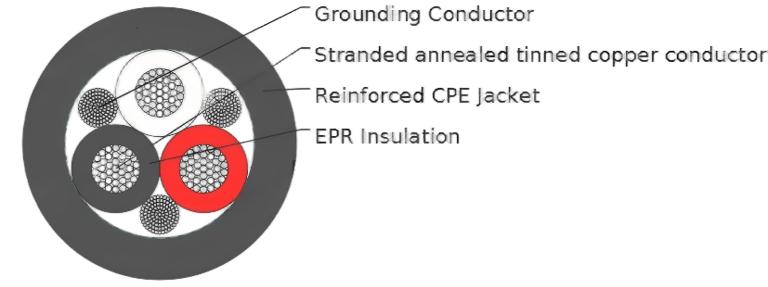
In underground mining operations where reliability and durability are paramount, the Type G two-conductor flat portable power cable 2kV stands as an essential power transmission solution for DC off-track mining equipment. This specialized cable design combines robust construction with practical functionality, delivering consistent performance in the demanding environments characteristic of modern mining operations. Engineered to meet rigorous industry standards including ICEA S-75-381 and NEMA WC 58, this flat portable cable represents a proven solution for powering shuttle cars, drills, cutting machines, and loading equipment in confined underground spaces.
Understanding Type G Flat Portable Power Cable Applications
The primary application domain for this 2kV flat power cable encompasses DC mining equipment operating in underground environments where space constraints and harsh conditions demand specialized cable solutions. Mining shuttle car power cable requirements differ significantly from standard industrial applications due to the unique operational challenges present in underground mining.
DC shuttle cars, which transport materials through narrow tunnels, require power cables that can withstand constant flexing, abrasion from contact with rough surfaces, and exposure to moisture and particulate matter. The flat configuration of this portable power cable mining solution offers distinct advantages over traditional round cables in these confined spaces. The reduced profile allows for easier routing along tunnel floors and walls, minimizing trip hazards while maximizing available clearance for equipment movement.
Drilling equipment represents another critical application area. Underground drills operate continuously in dusty, humid conditions while subjecting their power cables to repetitive bending cycles and mechanical stress. The heavy-duty flat portable cable for DC equipment provides the mechanical resilience necessary to maintain power delivery integrity throughout extended operational periods.
Cutting and loading machines, which extract and process ore materials, generate significant vibration and require cables capable of maintaining electrical continuity despite constant movement. The reinforced construction of this DC mining cable addresses these challenges through careful material selection and structural design that balances flexibility with mechanical strength.
Technical Construction and Material Specifications
Conductor Design and Materials
At the core of this cable's performance lies its stranded annealed tinned copper conductor configuration. The tinning process provides superior corrosion resistance compared to bare copper, a critical feature in mining environments where moisture and chemical exposure are constant concerns. Stranding enhances flexibility, allowing the cable to endure the repetitive bending cycles inherent in mobile mining equipment operations without conductor fatigue or breakage.
The tinned copper conductor mining cable design incorporates multiple fine wire strands arranged to optimize both flexibility and current-carrying capacity. This construction methodology ensures that even when the cable experiences bending stresses during operation, the current path remains intact across multiple conductor strands, preventing localized heating and potential failure points.
Insulation System: EPR Performance Characteristics
Ethylene Propylene Rubber (EPR) insulation surrounds each conductor, providing exceptional electrical isolation and thermal performance. EPR insulated portable power cable offers several advantages over alternative insulation materials commonly used in industrial applications. The material exhibits excellent resistance to heat aging, maintaining its dielectric properties even when operating at elevated temperatures approaching the cable's 90°C maximum rating.
EPR's molecular structure provides inherent resistance to ozone, ultraviolet light, and weather exposure—factors that can degrade inferior insulation materials over time. In mining applications where cables may be exposed to various environmental stressors, this durability translates directly into extended service life and reduced replacement costs.
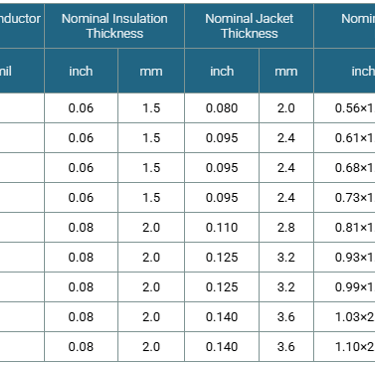
The insulation thickness is precisely engineered to provide adequate dielectric strength for 2000V operation while maintaining cable flexibility. This balance ensures that the cable meets voltage rating requirements without becoming excessively stiff, which could complicate installation and reduce operational lifespan through premature mechanical failure.
Grounding Conductor Integration
A dedicated grounding conductor runs alongside the primary conductors, typically consisting of tinned copper construction matching the main conductors' corrosion resistance characteristics. This grounding conductor may feature optional green covering for easy visual identification during installation and maintenance procedures. Proper grounding proves essential in mining operations to protect personnel from electrical hazards and ensure that ground fault protection systems function correctly.
Jacket Construction: CPE Material Properties
The outer jacket utilizes chlorinated polyethylene (CPE), a material specifically selected for its superior abrasion resistance and mechanical toughness. Available in both heavy-duty and extra-heavy-duty configurations, the reinforced portable cable 2000V jacket provides the first line of defense against physical damage from contact with rough surfaces, equipment edges, and general mining environment hazards.
The black chlorinated polyethylene jacket power cable incorporates synthetic yarn reinforcement between the insulation layer and outer jacket in standard configurations. This reinforcement layer distributes mechanical stresses across the cable structure, preventing localized damage from propagating through to the conductors and insulation. For applications requiring maximum durability, a two-layer jacket option introduces an additional reinforcing fiber layer between jacket sections, creating a composite structure with enhanced cut and tear resistance.
Regulatory Compliance and Industry Standards
Adherence to established standards ensures that this ICEA S-75-381 compliant portable cable meets rigorous safety and performance criteria verified through independent testing. The ICEA S-75-381 standard specifically addresses portable and power feeder cables for use in mines, establishing minimum requirements for conductor construction, insulation thickness, jacket durability, and voltage withstand capabilities.
NEMA WC 58 compliance further validates the cable's suitability for mining applications, addressing manufacturing consistency and quality control processes. ASTM B 172 and ASTM B 33 standards govern the tinned copper conductor specifications, ensuring that the conductor material meets defined conductivity and corrosion resistance thresholds.
Canadian market applications benefit from the cable's conformance to CAN/CSA C22.2 No. 96, demonstrating international recognition of the design's safety and performance characteristics. This multi-standard compliance simplifies procurement for mining operations spanning multiple jurisdictions while providing assurance that the cable has undergone comprehensive evaluation against diverse regulatory frameworks.
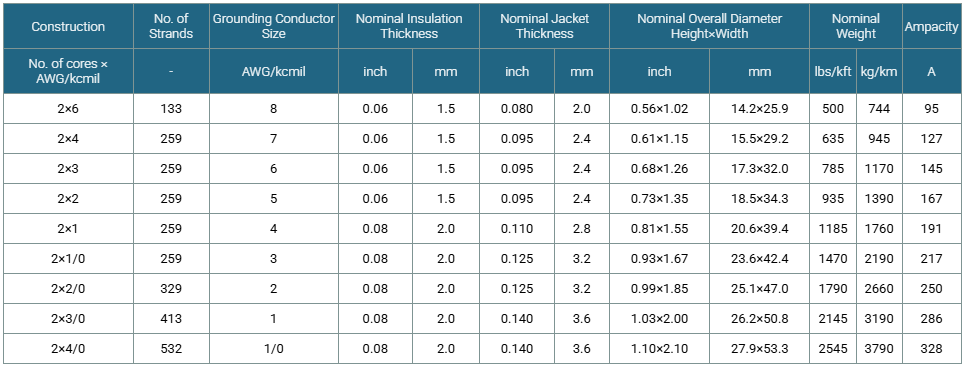
Mechanical and Thermal Performance Parameters
Flexibility and Bending Radius Considerations
The minimum bending radius specification of 6 times the cable's overall diameter (6×OD) reflects careful engineering to prevent internal damage during installation and service. Exceeding this minimum radius during cable routing and equipment connection ensures that conductors and insulation layers do not experience excessive stress concentration that could lead to premature failure.
In practical terms, this bending radius specification allows the cable to navigate around equipment frames, through cable support systems, and around obstacles while maintaining structural integrity. The flat geometry contributes additional benefits by reducing the effective bending radius required compared to round cables of equivalent conductor size.
Operating Temperature Range
The maximum conductor operating temperature of 90°C establishes the thermal boundary for continuous operation. This rating accounts for both ambient temperature and self-heating from current flow, ensuring that insulation materials remain within their performance envelope throughout the cable's design life. Mining environments often present elevated ambient temperatures, particularly in deep operations, making this thermal capacity a practical necessity rather than an excessive safety margin.
Thermal cycling—the repeated heating and cooling experienced during equipment operation and shutdown—can degrade cable materials over time. EPR insulation's excellent heat aging characteristics minimize this degradation, maintaining dielectric strength and mechanical properties despite thousands of thermal cycles throughout the cable's service life.
Customization Options for Specific Requirements
While the standard configuration addresses the majority of mining applications, certain operational environments may benefit from customized jacket materials or enhanced protective features. Alternative jacket materials including CSP (chlorosulfonated polyethylene), PCP (polychloroprene), NBR (nitrile butadiene rubber), and PVC (polyvinyl chloride) can be specified upon request to address specific chemical exposures or regulatory requirements unique to particular mining operations.
The two-layer jacket option, incorporating reinforcing fiber between inner and outer jacket layers, provides maximum protection against physical abuse in especially demanding applications. This construction method creates a composite structure where the outer layer absorbs impact energy while the reinforced inner layer prevents damage propagation to the insulation and conductors.
Advantages of Flat Cable Design in Mining Operations
The flat profile offers multiple operational advantages compared to round cable alternatives. Space efficiency proves particularly valuable in equipment compartments and cable routing channels where vertical clearance limitations restrict installation options. The flat configuration naturally resists twisting during handling, simplifying installation procedures and reducing the likelihood of installation-induced damage.
From a handling perspective, flat cables stack and coil more compactly than round cables, reducing storage space requirements and transportation costs when managing spare cable inventory. The broad surface area contact with support surfaces distributes weight more evenly, reducing localized wear and extending service life when cables are dragged across rough surfaces during equipment repositioning.
Common Cable Challenges and Solutions
Problem: Premature Jacket Cracking or Splitting
Mining operations occasionally experience premature jacket failure, typically manifesting as surface cracking or splitting along the cable length. This issue often results from operating the cable below its minimum rated temperature, exceeding the bending radius limitations, or exposure to incompatible chemicals not anticipated during specification.
Solution: Verify that ambient operating temperatures remain within the cable's rated range. Implement cable support systems that maintain bending radius above the 6×OD minimum, particularly at equipment connection points where tight bends commonly occur. If chemical exposure is suspected, request laboratory analysis of failed cable samples to identify the specific contaminant and specify appropriate alternative jacket materials for replacement cables.
Problem: Conductor Overheating or Insulation Degradation
Excessive conductor temperatures indicate either overcurrent conditions or inadequate cable sizing for the application's ampacity requirements. Operating cables beyond their current-carrying capacity accelerates insulation aging and increases fire risk.
Solution: Conduct current measurements during peak load conditions to verify that actual loads remain within the cable's ampacity rating. Consider ambient temperature derating factors, as elevated mine temperatures reduce current-carrying capacity. If loads consistently exceed cable ratings, upgrade to larger conductor sizes or implement load management strategies to reduce peak current demands.
Problem: Ground Fault Protection Nuisance Tripping
Intermittent ground fault protection system activation without obvious cable damage suggests insulation degradation or moisture ingress affecting the cable's insulation resistance.
Solution: Perform insulation resistance testing using a megohmmeter to identify degraded cable sections. Test results below manufacturer specifications indicate moisture contamination or insulation breakdown requiring cable replacement. Implement improved cable support methods to minimize abrasion and physical damage that creates moisture entry points.
Installation and Handling Best Practices
Proper installation techniques significantly influence cable service life and reliability. Always inspect cables upon delivery for shipping damage, verifying that protective coverings remain intact and that no visible deformation or jacket damage exists. Store cables in dry locations away from direct sunlight and chemicals, maintaining recommended coiling radius to prevent permanent deformation.
During installation, avoid dragging cables over sharp edges or across surfaces contaminated with oil, grease, or aggressive chemicals. Use appropriate cable pulling equipment to prevent excessive tensile stress, particularly during longer cable runs. At termination points, provide adequate strain relief to prevent stress concentration at connector interfaces, and ensure that minimum bending radius specifications are maintained throughout the cable route.
Temperature monitoring during initial operation identifies potential problems before they cause failures. Document baseline temperature readings at representative measurement points along the cable length, then periodically verify that temperatures remain consistent with initial values and below rated maximums.
Why Select Type G Cable for Mining Operations
The combination of ICEA S-75-381 compliance, robust CPE jacket construction, and EPR insulation creates a reliable portable cable solution specifically engineered for mining environment demands. The flat geometry addresses space constraints inherent in underground operations while providing practical handling advantages that reduce installation time and costs.
Long-term cost of ownership considerations favor quality cables that deliver extended service life with minimal maintenance requirements. While premium cable construction commands higher initial investment, the reduced failure rates, extended replacement intervals, and improved operational safety justify this investment through lower total lifecycle costs.
Established compliance with multiple international standards simplifies procurement processes and ensures compatibility with diverse regulatory frameworks across global mining operations. This standardization reduces inventory complexity when operating multiple facilities and provides assurance that replacement cables will meet identical performance specifications regardless of source.
Conclusion
Type G two-conductor flat portable power cable 2kV represents a specialized solution engineered to address the unique power transmission requirements of DC mining equipment. Through careful material selection, structural design, and manufacturing processes verified against rigorous industry standards, this cable delivers reliable performance in demanding underground environments. Understanding the technical specifications, proper application methods, and maintenance best practices enables mining operations to maximize cable service life while maintaining operational safety and efficiency.
How to Reach Us
Get in Touch
SiteMap
Product Catalogue
Festoon Cable
Shore Power Cable


Scan to add us on WeChat