
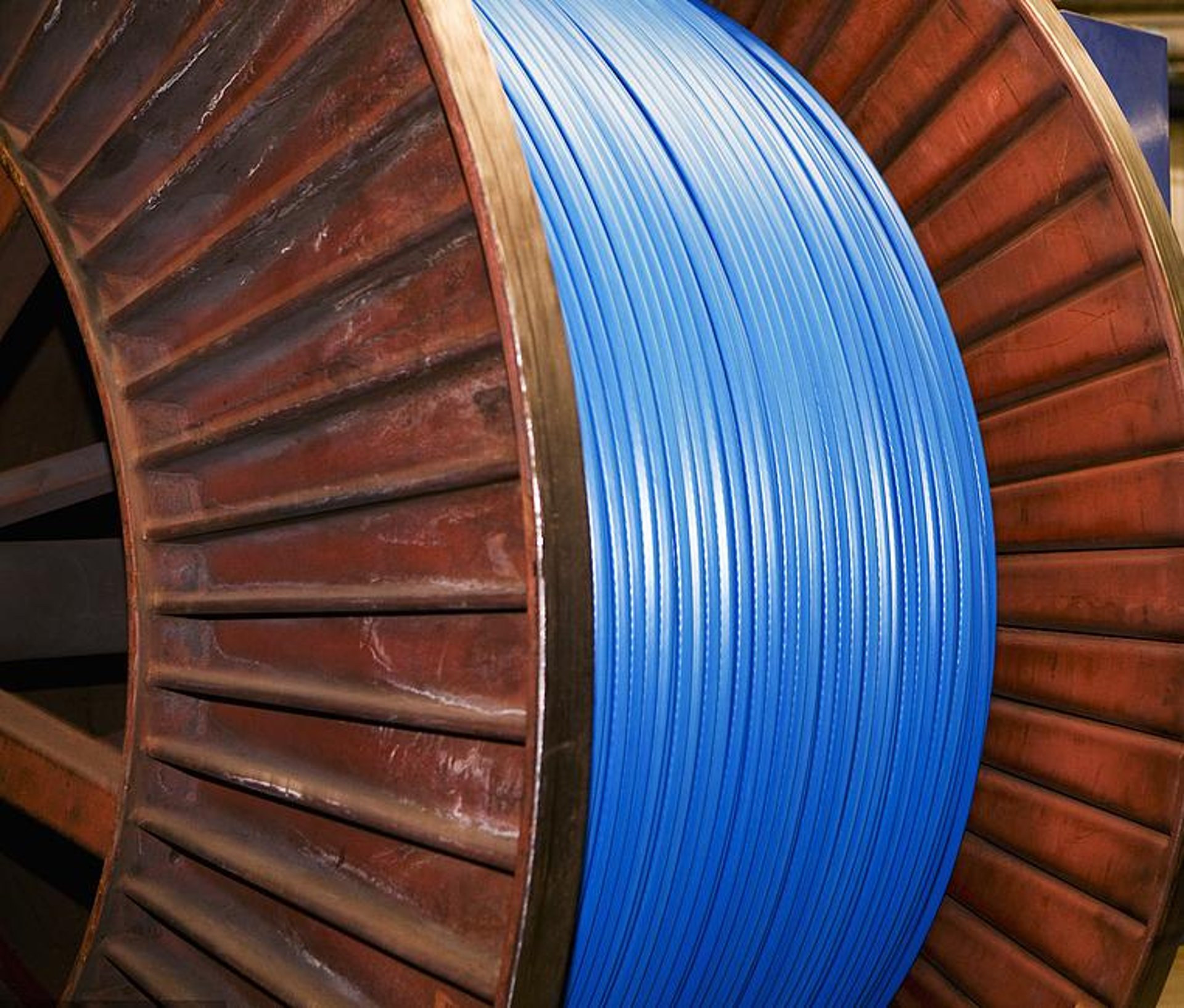
What is Commercial Wire & Cable? A Complete Guide to Building Wiring Solutions
Comprehensive guide to commercial wire and cable for construction projects. Learn about THHN, XHHW, metal clad cables, NEC standards, and building wiring solutions that meet UL and CSA compliance requirements for residential and industrial applications.
hongjing.Wang@Feichun
12/8/20258 min read
Understanding Commercial Wire & Cable Standards
Electrical safety codes play a fundamental role in construction projects. In North America, commercial wire and cable compliance with NEC standards forms the foundation of safe electrical installations. The National Electrical Code establishes minimum requirements for electrical installations, specifying conductor sizing, insulation types, voltage ratings, and environmental protection standards.
Products must also achieve Underwriters Laboratories (UL) certification, which verifies that wire and cable have undergone rigorous testing for safety and performance. For projects in Canada or those requiring cross-border compatibility, Canadian Standards Association (CSA) requirements must be met. These certifications provide assurance that the commercial building construction cable will perform reliably under specified conditions while minimizing fire and electrical hazards.
Introduction to Commercial Wire & Cable
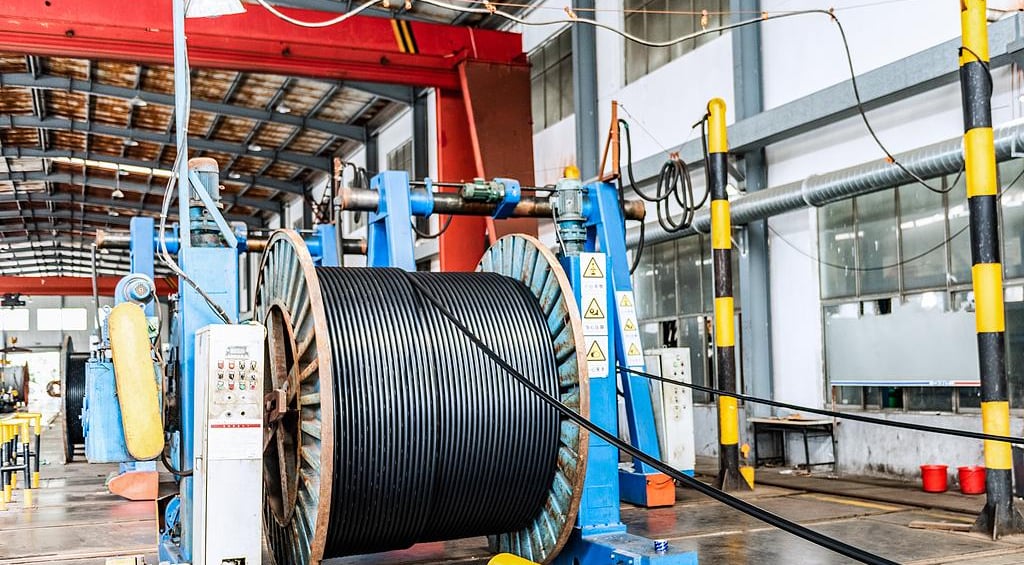
Commercial wire and cable, commonly referred to as building wire and cable or construction wiring, represents a specialized category of electrical conductors engineered for power distribution, lighting systems, and control applications across residential, commercial, and industrial construction projects. These essential components form the backbone of modern electrical infrastructure, delivering safe and reliable energy throughout buildings of all sizes and purposes.
The selection of appropriate commercial electrical wiring directly impacts project safety, code compliance, and long-term operational efficiency. Understanding the various types of commercial wire and cable for construction, their specific applications, and installation requirements enables contractors, engineers, and building professionals to make informed decisions that meet both regulatory standards and project-specific demands.
Common Types of Commercial Wire & Cable
THHN Wire: The Industry Standard
THHN (Thermoplastic High Heat-Resistant Nylon-Coated) wire represents one of the most widely used types in general building applications. This conductor features thermoplastic insulation with a nylon jacket that provides excellent abrasion resistance and chemical protection. Rated for 600-volt applications, THHN performs reliably in both dry and damp locations, making it suitable for interior branch circuits, feeders, and general power distribution.
The nylon coating enhances durability during installation, protecting the conductor from damage as it's pulled through electrical conduit systems. This cost-effective solution balances performance with affordability, explaining its popularity in standard construction projects.
TFFN Wire: Flexible Fixture Solutions
TFFN (Thermoplastic Flexible Fixture Nylon-Coated) wire offers superior flexibility compared to THHN, making it ideal for fixture wiring, appliance connections, and control circuits. Its compact design facilitates routing through tight spaces and around obstacles, while maintaining the 600-volt rating necessary for most commercial applications. The flexible construction reduces installation time and physical strain on installers working in confined areas.
XHHW Wire: Enhanced Environmental Protection
XHHW (Cross-Linked High Heat-Resistant) wire utilizes cross-linked polyethylene insulation, providing superior heat and moisture resistance compared to traditional thermoplastic insulation. This enhanced protection makes XHHW particularly valuable for industrial and commercial conduit systems exposed to challenging environmental conditions. The cross-linking process creates molecular bonds that improve the insulation's thermal stability and chemical resistance, extending the wire's operational lifespan in demanding applications. XHHW is approved for both wet and dry locations, offering installation flexibility across diverse project requirements.
Underground Service Entrance Cable
USE and USE-2 cables are specifically engineered for underground service entrance cable for construction applications. These conductors feature moisture-resistant and sunlight-resistant insulation designed to withstand direct burial in soil or installation within underground conduit. The insulation system protects against moisture intrusion, chemical exposure from soil contact, and ultraviolet degradation. Proper installation requires adherence to NEC-specified burial depths and protection standards to ensure long-term reliability of service entrance conductors.
Metal Clad Cable: Superior Protection for Industrial Buildings
Understanding Metal Clad Cable Construction
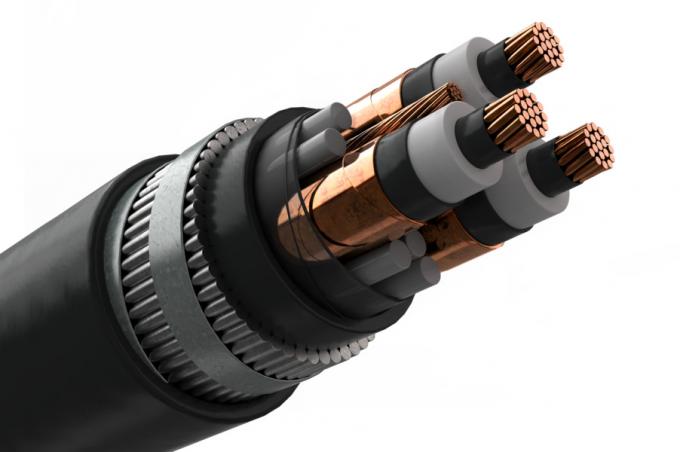
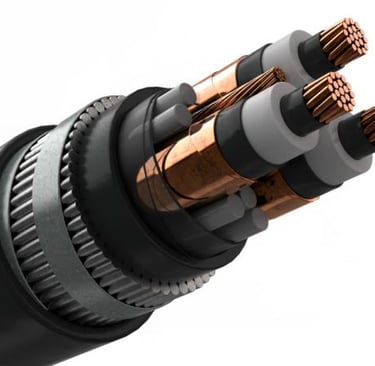
Metal clad cable for industrial buildings represents a premium wiring solution that combines electrical conductors with a protective metal sheath, typically constructed from aluminum or steel armor. This construction method provides mechanical protection that exceeds standard insulated wire installed in conduit, making it particularly valuable in environments where physical damage risks are elevated.
The metal armor effectively shields conductors from impact, crushing forces, and abrasion that might occur in industrial settings, warehouses, manufacturing facilities, and commercial buildings with exposed wiring runs. Unlike traditional conduit installations that require separate conduit, fittings, and wire pulling, metal clad cables integrate protection and conductors into a single assembly, streamlining installation while maintaining superior protection levels.
Steel Wire Armored Cable Applications
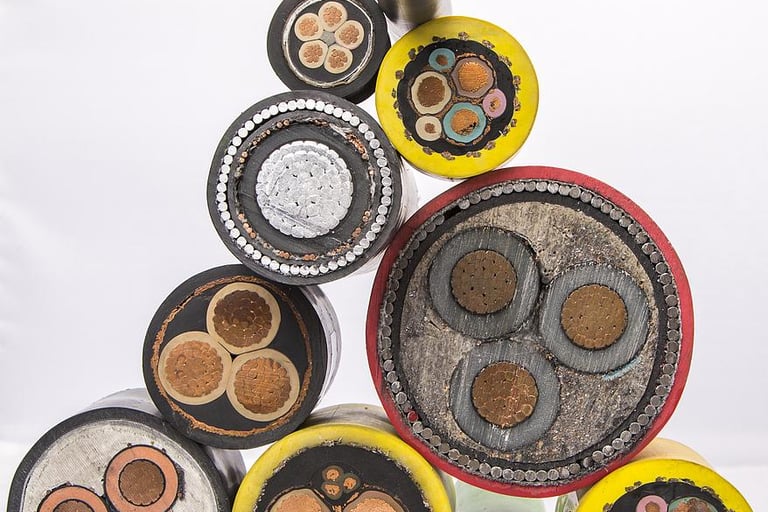
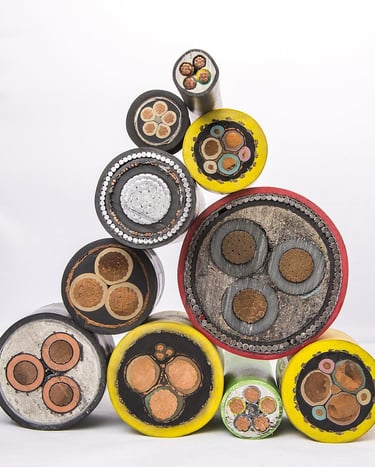
Steel wire armored cable represents the most robust category of metal clad cable, featuring interlocked steel wire or steel tape armor that provides exceptional mechanical strength. This construction makes steel armored cable the preferred choice for industrial facilities where heavy machinery, material handling equipment, or manufacturing processes create potential hazards for electrical wiring systems.
The steel armor construction offers several distinct advantages. First, it provides superior crush resistance, protecting conductors even when subjected to significant compressive forces. Second, the steel sheath acts as an effective grounding path, enhancing electrical safety. Third, the armor resists damage from rodents, which can compromise unprotected cables in certain environments. Finally, steel armored cable maintains its protective qualities across a wide temperature range, performing reliably in both heated industrial spaces and unheated warehouses.
Common applications for steel wire armored cable include manufacturing plants, distribution centers, outdoor industrial installations, parking structures, and commercial buildings where concealed spaces contain potential mechanical hazards. The cable excels in locations where traditional EMT or rigid conduit installations would be impractical or prohibitively expensive.
Installation Best Practices for Metal Clad Cable
Installing metal clad cable requires specific techniques to maintain the armor's protective benefits while ensuring code compliance. Proper support spacing must be maintained according to NEC requirements, typically every 4.5 feet and within 12 inches of termination points. Specialized fittings designed for armored cable must be used at all termination points to maintain grounding continuity and prevent conductor damage from sharp armor edges.
Bending radius requirements are more stringent for armored cable than for individual conductors in conduit. Installers must avoid sharp bends that could compromise the armor's integrity or damage internal conductors. Most manufacturers specify minimum bending radii ranging from 7 to 12 times the cable's overall diameter, depending on cable size and construction.
When routing steel armored cable through structural members, proper protection must be provided where the cable passes through holes in wood or metal framing. While the armor provides excellent mechanical protection, NEC requirements still mandate protection from fasteners and maintain appropriate clearances from building structural elements.
Selecting Commercial Wire and Cable: Key Considerations
Assessing Project Requirements
Proper selection begins with comprehensive evaluation of electrical loads, voltage requirements, and amperage demands. Load calculations determine the conductor size necessary to carry expected current safely while maintaining voltage drop within acceptable limits. Environmental conditions significantly influence wire type selection—wet locations mandate conductors rated for moisture exposure, while high-temperature environments require enhanced thermal ratings.
Physical space constraints often dictate whether individual conductors in conduit or pre-assembled cable systems provide the optimal solution. Budget considerations must balance initial material costs against installation labor expenses and long-term reliability expectations.
Understanding Electrical Conduit Systems
Commercial installations typically utilize electrical conduit systems to provide mechanical protection, facilitate conductor replacement, and organize wiring runs. Common conduit types include rigid metal conduit (RMC) for maximum protection, intermediate metal conduit (IMC) for balanced cost and protection, electrical metallic tubing (EMT) for lighter applications, and PVC conduit for underground and corrosive environments.
The choice between running individual THHN or XHHW conductors through conduit versus installing metal clad cable depends on project-specific factors. Conduit systems offer flexibility for future conductor replacement and modifications but require more labor for installation. Metal clad cables reduce installation time and labor costs while providing integrated protection, making them cost-effective for many commercial and industrial applications.
Fire-Resistant Commercial Wiring Solutions
Fire safety represents a critical consideration in commercial construction. Fire-resistant commercial wiring solutions incorporate materials and construction methods that maintain circuit integrity during fire conditions or resist flame propagation. Some applications require fire-rated cables that continue operating during fires to support emergency lighting, fire alarm systems, and smoke evacuation equipment.
Other installations benefit from low-smoke, halogen-free insulation materials that reduce toxic gas emissions during fire conditions. Building codes increasingly specify these materials in high-occupancy structures, healthcare facilities, and transportation terminals where occupant safety during emergency evacuation is paramount.
Low-Voltage Commercial Building Cable Types
Beyond power distribution circuits, modern buildings require extensive low-voltage commercial building cable types for data networks, telecommunications, security systems, fire alarms, and building automation. While this article focuses primarily on power conductors, understanding that complete electrical systems integrate both power and low-voltage cabling helps project planning and coordination between trades.
Troubleshooting Common Commercial Wiring Issues
Installation Challenges and Solutions
Problem: Excessive pulling tension during installation
When pulling conductors through conduit or installing armored cable, excessive tension can damage insulation or deform conductors. Solution: Use proper pulling lubricants, maintain appropriate bending radii, ensure conduit size provides adequate fill ratios (typically 40% for three or more conductors), and consider pull points in longer runs to reduce tension.
Problem: Overheating in installed circuits
Conductors running hotter than expected indicate undersized wire, excessive current draw, or inadequate ventilation. Solution: Verify load calculations, check for proper conductor sizing including derating factors for bundled conductors or high ambient temperatures, ensure terminations are tight and oxidation-free, and confirm that conduit fill percentages don't exceed code limits that could trap heat.
Problem: Moisture intrusion in underground installations
Water entering underground service entrance cable terminations or conduit systems compromises insulation and creates safety hazards. Solution: Use proper sealing methods at termination points, ensure conduit sweeps drain away from equipment, apply sealant to all underground connections, and specify direct-burial rated cable (USE-2) appropriate for below-grade applications.
Problem: Mechanical damage to exposed wiring
Cables in accessible areas may suffer physical damage from building activities or maintenance work. Solution: Install metal clad cable in vulnerable locations, provide proper cable support and protection, use armored cable where impact risks exist, and route cables through less accessible areas when possible.
Performance Issues and Preventive Measures
Regular inspection helps identify potential problems before they cause failures. Visual inspection should check for damaged insulation, loose connections, signs of overheating (discoloration), and physical damage to armor or conductors. Thermal imaging can detect hot spots indicating poor connections or overloaded circuits before they fail.
Proper documentation during installation facilitates future troubleshooting and modifications. Recording cable types, conductor sizes, circuit routing, and installation dates helps maintenance teams diagnose issues and plan upgrades efficiently.
Commercial Wire and Cable Installation Best Practices
Professional installation requires adherence to manufacturer specifications and NEC requirements. Proper training ensures installers understand bending radius limitations, support spacing requirements, termination procedures, and grounding methods specific to each cable type.
For steel wire armored cable specifically, installers must use anti-short bushings or equivalent protection at termination points to prevent armor edges from damaging conductor insulation. Bonding jumpers may be required in some installations to ensure continuous grounding through the armor. Proper connector selection—matching connector type to armor construction and cable size—is essential for code compliance and long-term reliability.
Choosing Commercial Wire and Cable Suppliers for Contractors
Working with knowledgeable commercial wire and cable suppliers for contractors provides access to technical expertise, product availability, and competitive pricing. Reliable suppliers maintain inventory of common conductor types and sizes, offer technical support for product selection, provide documentation for code compliance verification, and deliver materials on schedule to prevent project delays.
Conclusion: Ensuring Safe and Reliable Electrical Installations
Commercial wire and cable selection fundamentally impacts construction project success, influencing safety, code compliance, installation efficiency, and long-term reliability. Understanding THHN vs XHHW commercial wiring applications, recognizing when metal clad cable for industrial buildings provides superior protection, and following NEC standards compliance requirements enables informed decision-making that balances performance requirements with project constraints.
Steel wire armored cable represents a particularly valuable solution for industrial and commercial installations requiring maximum mechanical protection. Its integrated armor construction streamlines installation while providing durability that reduces maintenance costs and extends system lifespan. Whether selecting building wire and cable for residential construction, commercial facilities, or industrial plants, prioritizing quality products from reputable suppliers and following proper installation best practices ensures electrical systems that serve buildings safely and reliably for decades.
How to Reach Us
Get in Touch
SiteMap
Product Catalogue
Festoon Cable
Shore Power Cable




Scan to add us on WeChat