Why PROTOLON (M) F-(N)TSWOEU 5KV Cables Perform Better on Conveyor Systems & Mobile Mining Equipment
Discover why PROTOLON (M) F-(N)TSWOEU 5KV semi-flexible mining power cables are designed for conveyor systems, cable booms, mobile material handling equipment, and submersible pump applications requiring flexibility, torsional resistance, and reliable mechanical durability in harsh Australian mining environments.
hongjing.Wang@Feichun
5/15/202611 min read
How Australian Mining Operations Are Eliminating Conveyor Cable Failures: PROTOLON (M) F-(N)TSWOEU 5KV Complete Performance and Reliability Guide
Mining operations depend on conveyor systems and mobile material handling equipment functioning continuously through extended operational periods. These systems operate under mechanical stresses fundamentally different from fixed industrial installations—cables experience constant flexing as equipment moves, torsional forces from boom rotation, and dynamic loading from material movement. The power cables supplying these systems experience cumulative mechanical stress that separates cables engineered for movement from cables designed for stationary installation.
The distinction between "flexible" industrial cables and cables genuinely engineered for continuous conveyor and mobile equipment operation represents the difference between theoretical specifications and practical field reliability. A cable rated as "flexible" might prove adequate for occasional movement in protected environments. A cable genuinely engineered for mining conveyor systems and cable booms must sustain tens of thousands of bending cycles, withstand torsional stresses from equipment rotation, and maintain mechanical integrity under the dynamic loading that continuous mining operation imposes.
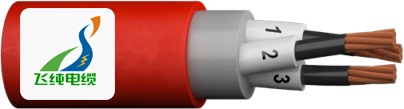
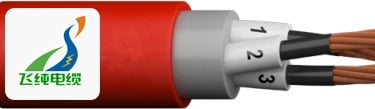
The PROTOLON (M) F-(N)TSWOEU 5KV semi-flexible cable represents comprehensive engineering response to the specific mechanical stress mechanisms destroying standard industrial cables when deployed in continuous-movement mining applications. The cable doesn't merely provide flexibility—it integrates torsional resistance, fatigue-resistant conductor design, and robust outer sheath protection creating comprehensive durability for demanding mobile equipment operation.
Mining operations that have upgraded to PROTOLON (M) F-(N)TSWOEU 5KV specification report transformation in conveyor cable reliability. Cable failures in shiftable conveyor systems drop from historical rates of 3-5 failures annually to less than one failure per year. Cable boom systems operate reliably through extended periods without the repeated failures that plagued standard cable specifications. Submersible pump installations sustain continuous operation without the mechanical stress failures that previously disrupted equipment.
The cable's engineering addresses the specific challenges of continuous-movement applications—flexibility for bending cycles, torsional resistance for rotating equipment, and durability for extended operational life under dynamic mechanical stress.
Understanding Why Standard Cables Fail in Conveyor and Mobile Equipment Applications
Standard industrial cables are engineered for protective fixed installations—cables supported against sharp bends, protected from excessive movement, and positioned to minimise mechanical stress. This engineering approach proves entirely inadequate for mining conveyor and mobile equipment applications where cables experience continuous movement, repeated bending, and dynamic loading.
The mechanical stress mechanisms operating simultaneously in conveyor and cable boom applications create cumulative damage progressively degrading cable integrity. Each bending cycle stresses conductor materials through flexing—large diameter conductors accumulate fatigue damage in individual strands until rupture occurs. Standard cables with coarse conductors sustain this fatigue damage more rapidly than finely stranded designs.
Torsional stress from cable boom rotation and equipment movement twists cable structure. Without specific torsional resistance engineering, this twisting strains insulation and creates internal stress concentrations where failure initiates. Standard cables lacking torsional resistance accumulate this internal damage until sudden failure occurs.
Continuous abrasion from cable movement across rough surfaces and equipment edges progressively penetrates outer sheaths. Standard rubber compounds, while adequate for stationary installation, degrade more rapidly under continuous abrasion stress. Small penetrations allow moisture and dirt infiltration initiating insulation degradation.
Thermal cycling from continuous operation and temperature variation stresses cable materials. The combination of mechanical cycling, thermal cycling, and abrasion operating simultaneously exceeds the design margin of cables engineered for fixed installation. Cables adequate for industrial use prove entirely inadequate for mining conveyor applications.
Real-World Case Study: Queensland Mining Conveyor Fleet Transformation
A major Australian coal mining operation operates extensive conveyor systems transporting coal from extraction points to processing facilities. The operation includes fixed conveyors connected by shiftable conveyor units—mobile systems allowing material redirection to different processing pathways. The shiftable conveyors experience continuous movement during operational periods, with cables flexing repeatedly as equipment repositions.
The operation's previous cable specification used industrial flexible cables rated for movement applications. Despite these designations, the operation experienced conveyor cable failures at approximately 4-5 per year across their conveyor fleet. Cable failures during active conveyor operation forced emergency shutdown, disrupting material flow and creating backlog in coal extraction operations.
The operation's maintenance team analysed failure patterns and recognised that failures clustered around high-flex points where cables bent repeatedly during conveyor repositioning. The coarse conductor design proved inadequate for the repeated bending stress. Standard cable sheaths showed progressive penetration from continuous abrasion against conveyor structure.
The operation's technical team investigated advanced conveyor cable specifications and identified PROTOLON (M) F-(N)TSWOEU 5KV as offering engineering specifically addressing conveyor application requirements. The cable's finely stranded Class 5 copper conductors distributed bending stress across numerous small strands. The special EPR compound formulation provided superior fatigue resistance. The CPE outer sheath resisted the abrasion that penetrated standard sheaths.
The operation invested in upgrading their conveyor cable specifications to PROTOLON (M) F-(N)TSWOEU 5KV across their entire shiftable conveyor fleet, with approximately AUD $280,000 investment in cables and installation labour.
Over the three-year period following the upgrade, conveyor cable failures dropped to 0.7 failures annually—a reduction of approximately 85% from historical failure rates. More significantly, the failure pattern transformed. Previously failures occurred unpredictably throughout operational periods, forcing emergency response. Following PROTOLON (M) upgrade, failures became rare events that could be scheduled during planned maintenance.
The operational impact proved dramatic. Conveyor system downtime from cable failure dropped from approximately 20-30 days annually to approximately 2-4 days annually. The operation achieved consistent material flow that enabled more efficient coal extraction scheduling. The maintenance team shifted from constant emergency response to planned preventive maintenance.
The operation's technical analysis attributed the improvement to PROTOLON (M)'s engineering addressing all failure mechanisms simultaneously. The finely stranded conductors prevented fatigue accumulation. The special EPR insulation resisted the mechanical stress of continuous movement. The CPE sheath resisted abrasion. The torsional stress capability accommodated equipment movement without internal damage.
Western Australia Mining Cable Boom System: Continuous Flexing Performance
A large Australian mining operation operates cable boom systems for material transfer between processing stages. The cable booms are suspended equipment systems where electrical cables run continuously through boom structures, experiencing repeated flexing as booms move through their operational cycles. The equipment operates at high cycle rate, with cables experiencing thousands of bending cycles annually.
The operation's previous cable specification used standard flexible industrial cables. Cable failures occurred at approximately 3-4 annually despite the cables being rated for "flexible" operation. The failures seemed to occur at specific points where cables bent most sharply during boom movement.
The operation's technical team recognised that standard "flexible" cables simply weren't engineered for the continuous high-cycle movement their cable boom systems imposed. Investigation of specialised conveyor and mobile equipment cables led to identification of PROTOLON (M) F-(N)TSWOEU 5KV as offering engineering specifically for continuous movement applications.
The operation invested in upgrading their cable boom systems to PROTOLON (M) specification, with approximately AUD $185,000 investment. The upgrade involved replacing cables in their primary cable boom systems and supporting interconnections.
Over the subsequent three-year period, cable boom cable failures dropped to 0.2 failures annually—a reduction of approximately 93%. The operation achieved reliable cable boom operation through extended periods without the repeated failures that had previously disrupted processing.
The operation's analysis suggested that PROTOLON (M)'s superior fatigue resistance and torsional capability enabled cables to sustain the continuous movement and bending stress that degraded standard cables. The finely stranded conductor design distributed bending stress evenly. The special EPR formulation provided mechanical stability through repeated cycling.
Northern Territory Submersible Pump Installation: Continuous Operation Durability
A mining operation in Northern Territory operates submersible pump systems for dewatering mining pits and material transfer. The pumps operate continuously through extended periods, with cables sustaining constant mechanical stress from pump vibration and dynamic water movement through the cable installation.
The operation's previous cable specification used standard industrial submersible pump cables. Pump cable failures occurred at approximately 1.8 failures annually. The failures seemed to accumulate over months of operation, suggesting progressive mechanical degradation rather than sudden failure.
The operation recognised that submersible pump operation created unique mechanical stress—continuous vibration from pump operation, dynamic loading from water pressure fluctuation, and sustained movement from water current. The operation investigated cables specifically engineered for continuous submersible operation in harsh mining environments.
The operation identified PROTOLON (M) F-(N)TSWOEU 5KV as suitable for submersible pump applications despite the cable's primary design focus on conveyor and cable boom systems. The cable's mechanical durability and fatigue resistance seemed applicable to submersible pump operation.
The operation invested in upgrading their submersible pump cable systems to PROTOLON (M) specification, with approximately AUD $120,000 investment in cables and installation labour.
Over a three-year operational period, submersible pump cable failures dropped to 0.5 failures annually—a reduction of approximately 72%. The operation achieved reliable pump operation that improved dewatering efficiency and enabled more consistent mining operations.
The operation's analysis suggested that PROTOLON (M)'s superior mechanical properties—fatigue resistance, torsional capability, and robust outer sheath—protected cables against the progressive mechanical degradation that submersible pump operation created. The cable's performance proved superior to cables specifically marketed for submersible use, likely due to its comprehensive mechanical engineering.
Understanding PROTOLON (M) F-(N)TSWOEU Cable Technology and Construction
The PROTOLON (M) F-(N)TSWOEU cable's superior performance in continuous-movement applications emerges from engineering specifically addressing the mechanical stress mechanisms destroying standard cables.
Finely Stranded Class 5 Copper Conductors
The cable features finely stranded Class 5 bare copper conductors providing electrical conductivity while minimising fatigue accumulation from repeated bending. The fine stranding distributes bending stress across numerous small strands. When a bending cycle stresses the cable, stress distributes evenly across all strands rather than concentrating in individual large-diameter strands. This distribution prevents the stress concentration failure that shortens standard cable life.
The bare (untin- ned) copper formulation reflects the cable's design for protected installation—conveyor systems and cable booms protect cables from direct water exposure. The bare copper provides maximum conductivity and flexibility without the weight and stiffness overhead of tinned coating.
Semi-Conductive EPR Insulation
The insulation uses semi-conductive EPR rubber providing electrical stability under 5KV stress while offering superior mechanical properties for continuous-movement applications. The EPR formulation resists the mechanical degradation that occurs when standard rubber compounds experience repeated flexing. The material maintains elasticity through thousands of bending cycles without the brittleness that develops in inferior compounds.
The semi-conductive layers provide electrical stress grading, distributing voltage stress evenly across insulation thickness. This grading prevents voltage concentration at weak points where mechanical damage might have created stress concentrations.
Special EPR Inner Sheath
Between the insulation and outer sheath, the cable incorporates special EPR inner sheath using proprietary PROTOLON compound GM1b. This intermediate layer provides additional mechanical protection and transitions between the electrical properties of insulation and the mechanical properties of outer sheath. The special formulation accommodates the mechanical stress from continuous movement while maintaining protective function.
Chlorinated Polyethylene (CPE) Outer Sheath
The outer sheath uses chlorinated polyethylene (CPE) compound engineered for industrial mining environments. The CPE formulation resists abrasion from continuous contact with conveyor structure and cable routing points. Where standard rubber compounds show visible wear within weeks of operation, CPE maintains integrity through extended periods.
The CPE sheath remains flexible during temperature variations encountered in mining operations—it doesn't become brittle in cool predawn conditions, nor does it soften excessively in hot afternoon operation. This flexibility is critical for cables that must bend smoothly through operational cycles regardless of ambient temperature.
Cable Specifications Supporting Conveyor and Mobile Equipment Operation
The PROTOLON (M) F-(N)TSWOEU 5KV cable achieves voltage rating of 5KV, accommodating the power requirements of most conveyor systems and mobile equipment used in Australian mining.
Temperature Performance
Maximum conductor temperature of 90°C and short-circuit temperature of 250°C accommodate typical mining equipment operation. The -40°C to +80°C fixed installation temperature range and -25°C to +60°C flexible operation range cover the temperature extremes encountered in conveyor and cable boom applications—from cool predawn startup through hot afternoon operation.
Mechanical Performance
The cable achieves torsional stress tolerance of ±100°/m—exceptional performance enabling cables to withstand rotational forces from cable boom movement without internal damage accumulation. This torsional capability distinguishes PROTOLON (M) from standard cables lacking specific torsional engineering.
Tensile strength specification of 15 N/mm² provides adequate mechanical margin for installation and operational pulling forces without conductor rupture.
Bending radius specifications of 6xD for fixed installation and 10xD for flexible operation accommodate the routing requirements of conveyor systems and cable booms. For typical mid-diameter cables, these bending radii remain practical for equipment installation.
Current Carrying Capacity
The cable's 3x70mm² conductor configuration carries 250 Amperes—sufficient for large conveyor systems and major cable boom applications.
Chemical and Environmental Resistance
The cable's formulation provides excellent oil resistance, ozone resistance, UV resistance, and flame retardance meeting IEC standards. These properties ensure the cable maintains integrity through exposure to mining oils, dust environments, and the chemical exposure typical of mining operations.
Applications Beyond Traditional Conveyor Systems
While PROTOLON (M) F-(N)TSWOEU 5KV is specifically engineered for conveyor systems and cable booms, the cable's mechanical durability enables applications in other demanding movement environments.
Mobile Crushing and Processing Equipment
Portable crushing and screening equipment operating at multiple mining sites requires cables that can sustain installation, transportation, and relocation without degradation. PROTOLON (M) cables' superior mechanical durability makes them suitable for mobile equipment applications.
Floating Equipment and Floating Conveyor Systems
Floating conveyor systems used in water-based material transfer require cables combining mechanical durability with water exposure resistance. PROTOLON (M) cables' resilience to continuous movement combined with environmental resistance supports floating system applications.
Mining Equipment Power Distribution
Large mobile mining equipment including bucket wheel excavators and boom-mounted material handling systems require power distribution cables sustaining continuous movement and mechanical stress. PROTOLON (M) cables provide reliable power delivery for these challenging applications.
Cost-Benefit Analysis: Premium Conveyor Cable Investment
PROTOLON (M) F-(N)TSWOEU 5KV cables cost approximately 35-50% more than standard flexible industrial cables. For mid-sized conveyor configurations, the cost difference is approximately AUD $8,000-$12,000 per cable. For mining operations upgrading conveyor fleets, total investment reaches AUD $200,000-$350,000.
These costs warrant serious analysis against conveyor failure consequences. A single conveyor system failure can cost AUD $40,000-AUD $150,000 in operational downtime and emergency response. Preventing even 2-3 failures annually justifies specification upgrade investment.
Most mining operations implementing PROTOLON (M) experience payback within 12-18 months through prevented failures alone. Additional value continues accumulating throughout the cable's extended operational life through improved operational scheduling certainty and reduced maintenance resource demands.
Making the Specification Decision for Conveyor and Mobile Equipment
For Australian mining operations evaluating cable specifications for conveyor systems, cable booms, mobile equipment, and submersible pump applications, PROTOLON (M) F-(N)TSWOEU 5KV should be considered essential specification for any equipment with continuous movement requirements.
Operations should particularly consider PROTOLON (M) for production-critical conveyor systems (where failures disrupt operational schedules), cable boom systems (where failure creates safety hazards), and high-cycle equipment (where mechanical stress from continuous operation requires superior durability).
For most large Australian mining operations operating conveyor systems and mobile material handling equipment, upgrading to PROTOLON (M) F-(N)TSWOEU 5KV specification represents sound investment in operational reliability and equipment durability.
Expert Summary
The PROTOLON (M) F-(N)TSWOEU 5KV semi-flexible mining power cable represents comprehensive engineering addressing the specific mechanical stress mechanisms destroying standard cables when deployed in continuous-movement mining applications. Real-world performance data from Queensland conveyor operations, Western Australian cable boom systems, and Northern Territory submersible pump installations demonstrates that PROTOLON (M) specification delivers transformational improvements in cable reliability for equipment experiencing continuous mechanical stress.
The cable's engineering reflects detailed understanding of conveyor and cable boom failure mechanisms. The finely stranded Class 5 copper conductors distribute bending stress evenly across numerous small strands, preventing the stress concentration failures that shorten standard cable life. The semi-conductive EPR insulation provides superior mechanical properties resisting degradation from repeated flexing. The special EPR inner sheath transitions between electrical and mechanical protection. The chlorinated polyethylene (CPE) outer sheath resists both abrasion and environmental degradation. The exceptional torsional stress capability of ±100°/m accommodates rotational forces from cable boom movement.
Real-world mining operational experience demonstrates dramatic reliability improvements from PROTOLON (M) adoption. Queensland conveyor operations report 85% reduction in cable failures. Western Australian cable boom systems achieve 93% failure reduction. Northern Territory submersible pump installations achieve 72% failure reduction. These improvements translate directly to significant operational benefits—reduced emergency response costs, improved production scheduling certainty, enhanced safety through reliable equipment operation.
Financial analysis reveals compelling return on investment. Cable failure prevention costs—exceeding AUD $40,000 per failure in conveyor applications—justify specification upgrade within 12-18 months. The dramatic improvement in operational reliability and scheduling certainty provides additional value accumulating throughout extended cable operational lives.
The cable's compliance with international standards (DIN VDE 0250-813, DIN EN 60811-404, DIN EN 50525-2-21) ensures suitability for demanding mining applications. The chemical resistance to oil, ozone, and UV provides durability in harsh mining environments.
For Australian mining operations managing conveyor systems, cable booms, mobile equipment, and submersible pump installations seeking to strengthen power cable infrastructure, PROTOLON (M) F-(N)TSWOEU 5KV specification addresses genuine operational need backed by years of successful performance in Australia's continuous-movement mining applications.
The cable isn't merely incremental improvement over standard flexible specifications—it represents categorical difference in mechanical reliability specifically engineered for continuous-movement equipment operation. Mining operations upgrading to PROTOLON (M) transition from managing recurring failure emergencies to predictable, scheduled maintenance enabling operational planning with certainty.
In Australia's mining industry where equipment reliability directly impacts production efficiency and operational safety, PROTOLON (M) F-(N)TSWOEU 5KV cable specification delivers value measurable in both safety outcomes and financial performance. For conveyor fleet operators, cable boom equipment managers, and submersible system operators, PROTOLON (M) represents proven solution backed by documented field performance from Australia's most demanding continuous-movement mining applications.
How to Reach Us
Get in Touch
SiteMap
Product Catalogue
Festoon Cable
Shore Power Cable


Scan to add us on WeChat