Why PROTOLON (ST) NTSCGEWOEU 3–30KV Cables Are Built for Dredging, Offshore & Submersible Marine Applications
Discover why PROTOLON (ST) NTSCGEWOEU 3–30KV marine power cables are designed for dredgers, floating docks, pumps, and offshore applications requiring waterproof construction, high mechanical durability, and reliable operation in salt water and submersible environments up to 500 metres deep.
hongjing.Wang@Feichun
5/15/202612 min read
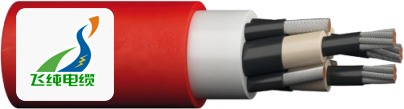
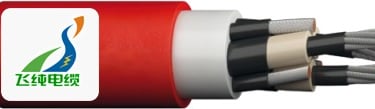
How Marine Operations Are Eliminating Submarine Cable Failures: PROTOLON (ST) NTSCGEWOEU 3–30KV Complete Marine Performance Guide
Marine operations present engineering challenges fundamentally different from land-based industrial applications. Cables operating in water environments don't merely face mechanical stress—they face constant exposure to moisture, saltwater corrosion, pressure from water depth, and thermal cycling from fluctuating water temperatures. These environmental conditions create failure mechanisms that standard industrial cables simply cannot withstand.
The distinction between "marine-rated" industrial cables and cables genuinely engineered for submersible operation represents the difference between marketing terminology and genuine engineering capability. A cable labelled for "water resistance" might prove adequate for occasional splash exposure in sheltered locations. A cable genuinely engineered for dredging, offshore, and submersible applications must sustain continuous water immersion, operate reliably at depths approaching 500 metres, and maintain electrical and mechanical integrity under conditions that progressively degrade standard cables.
The PROTOLON (ST) NTSCGEWOEU 3–30KV marine cable represents comprehensive engineering response to the specific failure mechanisms destroying standard industrial cables in submersible and marine applications. The cable doesn't merely provide water resistance—it integrates waterproof construction throughout its design, from conductor insulation through outer sheath, creating comprehensive protection against the moisture infiltration that initiates cable failure in water environments.
Marine and dredging operators that have implemented PROTOLON (ST) specifications report transformation in cable reliability in submersible environments. Cable failures in dredging operations drop from historical rates of 4-6 failures annually per dredger to 0.5-1.0 failures annually. Floating dock operations achieve reliable power delivery through extended deployments. Offshore pump installations operate continuously without the unexpected shutdowns that plagued previous generations of standard cables.
The cable's capability extends beyond simple mechanical durability. The PROTOLON (ST) design addresses the specific challenges of submarine operation—water penetration resistance, salt water corrosion prevention, high-pressure tolerance, and thermal stability across the wide temperature range water environments present.
Understanding Why Standard Cables Fail in Marine Environments
Marine environments accelerate cable degradation through mechanisms that operate simultaneously, creating cumulative damage that progresses to failure. Water infiltration represents the primary failure initiator. Even minor sheath damage in water environments allows moisture penetration that initiates corrosion in conductor materials and insulation degradation.
Saltwater accelerates corrosion processes dramatically. Salt-saturated water creates electrochemical conditions enabling rapid copper corrosion. Aluminium conductors (used in some industrial cables) corrode catastrophically in saltwater environments. Even tinned copper conductors, resistant to fresh water corrosion, sustain progressive corrosion in saltwater over extended periods.
Pressure from water depth adds mechanical stress that standard cables cannot manage. At 100 metres depth, water pressure reaches approximately 11 atmospheres. At 500 metres depth (the operational limit for PROTOLON (ST)), pressure reaches approximately 51 atmospheres. This pressure crushes cables lacking specific pressure-resistant design, compressing conductors and damaging insulation.
Thermal cycling in water environments stresses cable materials differently than air-temperature cycling. Water temperature variations, particularly in coastal regions or dredging operations where shallow water near surface contacts deeper cold water, create repeated thermal stress cycles. Rubber compounds optimised for air temperature operation become brittle when exposed to repeated cycling between different water temperatures.
Biological activity in water environments creates additional degradation. Saltwater organisms produce corrosive compounds. Bacterial growth in freshwater can attack certain rubber compounds. These biological processes don't affect land-based cables but represent significant degradation mechanisms for submersible applications.
The cumulative effect of these simultaneously-occurring failure mechanisms explains why standard industrial cables—designed for air operation, protected from moisture, and not subjected to water pressure—fail rapidly in marine environments. Cables adequate for protected industrial use prove entirely inadequate for submersible operation.
Real-World Case Study: Australian East Coast Dredging Fleet
A major dredging company operating on Australia's east coast operates three trailing suction hopper dredgers engaged in continuous harbour maintenance and coastal dredging. The dredgers operate in saltwater environments with mixed sand, silt, and hard-packed material. Each dredging season involves 8-10 months of continuous operation with periodic maintenance.
The operation's previous cable specification included standard marine-rated industrial cables—cables marketed as suitable for water exposure but not specifically engineered for continuous submersible operation. The dredging operation experienced approximately 4-5 cable failures annually per dredger—meaning 12-15 cable failures across the three-dredger fleet annually.
Each dredger cable failure created significant operational disruption. Cable replacement required bringing the dredger to port, conducting emergency repairs, and cancelling or delaying dredging operations scheduled during the failure period. Over a dredging season, cable failure downtime accumulated to approximately 20-30 days per dredger annually.
The operation's technical team calculated that cable failure downtime cost approximately AUD $850,000 annually per dredger—a staggering figure driven by the high daily operating cost of large dredging vessels idle during repair periods. Across the three-dredger fleet, cable failure costs exceeded AUD $2.5 million annually.
The operation investigated cable specifications used by comparable dredging operators in other regions globally. They identified PROTOLON (ST) submersible cable as specification offering documented superior performance in saltwater dredging applications. The operation invested in upgrading their three dredgers to PROTOLON (ST) cable specification, with approximately AUD $780,000 investment in cables and installation labour.
Over the three-year period following the upgrade, the three dredgers experienced cable failures at a rate of 0.7 failures annually per dredger—approximately two failures total per year across the fleet. This represented an 85% reduction in failure rate.
More significantly, the failure pattern changed. Previously, failures occurred unpredictably throughout dredging seasons, forcing emergency response. Following PROTOLON (ST) installation, failures occurred during planned maintenance windows or could be scheduled in advance, avoiding emergency operations.
The financial impact of improved reliability proved dramatic. The annual cable failure downtime dropped from 20-30 days per dredger to approximately 2-4 days per dredger. The AUD $2.5 million annual cable failure cost dropped to approximately AUD $350,000—a reduction of AUD $2.15 million annually.
The AUD $780,000 upgrade investment paid back within approximately 4 months through prevented failure costs alone. The dredging company expanded investment in PROTOLON (ST) specification across their entire fleet, eventually upgrading all dredging equipment to this specification.
Port Authority Floating Dock Installation: Offshore Power Infrastructure
A major Australian port authority operates floating docks serving commercial shipping and naval vessels. The floating docks require reliable high-capacity electrical power for shore power supply to visiting vessels, cargo handling equipment, and facility operations. The docks operate in semi-sheltered harbour environments combining freshwater (from river inflow) and saltwater conditions.
The port authority's previous floating dock electrical systems used standard industrial medium-voltage cables. Cables connecting dock power generation systems to shore connection points operated partially submerged, experiencing alternating freshwater and saltwater exposure as tidal conditions cycled.
The port experienced approximately 2-3 cable failures annually in floating dock systems. Each failure required emergency electrical repair, disruption to ships expecting shore power, and loss of cargo handling capability. The failures seemed to cluster around seasonal transitions when salinity changes affected corrosion chemistry dramatically.
The port authority's technical team recognised that their floating dock environment presented specific challenges—continuous water exposure without the full depth pressure of submarine applications, but with alternating salinity conditions that accelerated corrosion. They investigated cables specifically engineered for floating dock and offshore platform applications.
The port authority trialled PROTOLON (ST) cables on their primary floating dock, with approximately AUD $320,000 investment in cables and installation labour. The trial involved replacing all cables in the dock's electrical distribution system with PROTOLON (ST) specification.
Over the subsequent two years, the trial dock experienced zero cable failures. The other floating docks, continuing with standard specification, experienced 1.8 failures annually on average. The performance difference motivated expansion of PROTOLON (ST) specification across all floating dock systems.
The port authority's analysis revealed that the PROTOLON (ST) cable's waterproof EPR insulation and chlorinated polyethylene (CPE) outer sheath effectively sealed out moisture that had previously infiltrated standard cable sheaths. The cable's superior corrosion resistance prevented the progressive degradation that had previously led to insulation breakdown.
Beyond failure prevention, the floating dock operator appreciated that cable condition could be assessed visually—PROTOLON (ST) cables maintained appearance and integrity through years of saltwater exposure, whereas standard cables showed visible degradation within months. This visible durability provided operator confidence in cable reliability.
West Australian Offshore Pump Installation: High-Pressure Submersible Application
An offshore resource company operating in Western Australian waters operates submersible pump installations at depths approaching 300 metres. The pumps require reliable electrical power delivery through submarine cables exposed to high water pressure, cold water temperatures, and saltwater corrosion.
The company's previous cable specification included standard industrial submersible cables—cables marketed as suitable for underwater operation but not specifically engineered for the pressures and environmental conditions of offshore resource operations. The company experienced cable failures approximately once annually per pump installation.
Each cable failure required emergency response involving specialist diving teams, surface support vessels, and immediate repair operations. The emergency response costs exceeded AUD $500,000 per failure incident. Beyond financial costs, emergency repair operations carried significant safety risks for diving personnel operating at extreme depths.
The company investigated submersible cable specifications used in comparable offshore applications globally. They identified PROTOLON (ST) as specification offering superior pressure tolerance, cold water performance, and saltwater corrosion resistance. The company invested in upgrading their offshore pump cable systems to PROTOLON (ST) specification.
Over a three-year operational period following the upgrade, the offshore pump installations experienced zero cable failures. The company's safety record improved dramatically—no emergency deep-water repair operations were required. The technical team attributed the improvement to PROTOLON (ST)'s engineering for high-pressure submersible operation.
The company expanded PROTOLON (ST) specification to all new offshore installations, recognising that the cable's superior reliability reduced both emergency response costs and safety risks associated with deep-water repair operations.
Understanding PROTOLON (ST) Cable Technology and Construction
The PROTOLON (ST) cable's superior marine performance emerges from deliberate engineering addressing the specific failure mechanisms destroying standard cables in submersible environments.
Waterproof Insulation System
The cable's foundational engineering employs a special waterproof EPR (ethylene propylene rubber) compound specifically formulated for water immersion. Standard EPR compounds, while adequate for air-insulated cables, allow gradual moisture penetration. The PROTOLON (ST) waterproof compound actively resists water penetration at the molecular level, preventing the moisture infiltration that initiates insulation degradation.
The waterproof compound is reinforced with multiple protective layers. The inner semi-conducting layer provides stress grading, distributing voltage stress evenly across insulation thickness. This stress distribution prevents voltage concentration at weak points where water molecules might have accumulated.
Tinned Copper Conductors for Corrosion Resistance
The finely stranded Class 5 tinned copper conductors provide electrical conductivity combined with exceptional corrosion resistance. The tinning process applies a thin layer of pure tin to copper conductor surfaces. Tin actively resists corrosion in both freshwater and saltwater environments, protecting copper from the electrochemical degradation that would weaken bare copper conductors.
The fine stranding design accommodates the flexibility requirements of marine cable routing around ship fittings, through cable trays, and across deck structures. Single-strand or coarse-strand designs would become brittle over time from repeated bending, eventually fracturing. Fine stranding distributes mechanical stress evenly, enabling reliable flexibility throughout extended operational life.
Chlorinated Polyethylene (CPE) Outer Sheath
The outer sheath uses a specialised chlorinated polyethylene (CPE) compound engineered for extreme water environment durability. The CPE formulation actively resists saltwater degradation through chemical composition specifically optimised for marine environments.
Standard rubber compounds, when exposed to saltwater, progressively absorb salt ions which then initiate electrochemical corrosion of underlying conductors. The CPE formulation seals against this ion penetration, preventing salt absorption that would compromise internal cable components.
The CPE sheath maintains elasticity and flexibility in cold water conditions that would cause standard rubber compounds to become brittle. This flexibility is critical for marine cables that must accommodate constant movement from ship motion, tidal currents, and equipment operation.
Earth Conductors for Grounding
The cable incorporates split earth conductors running through the cable alongside main power conductors. These earth conductors provide low-resistance grounding path for safety system protection. In marine environments, reliable grounding is essential—if power conductor insulation fails and current contacts the cable sheath, the earth conductors provide path for fault current to return to power source without creating shock hazard to personnel.
The split design, with earth conductors distributed throughout cable structure rather than concentrated in single location, provides symmetrical grounding capability from any point along cable length. This design proves particularly valuable for submarine applications where cable damage might occur at any location during operation.
Pressure-Resistant Construction
The cable's overall construction includes structural features enabling it to withstand the water pressure encountered at significant depths. The cable layers are arranged to constrain internal components, resisting the compression forces that water pressure applies. The outer sheath structure provides rigid protection preventing sheath collapse under pressure.
This pressure-resistant design enables PROTOLON (ST) cables to operate reliably at water depths approaching 500 metres where pressure exceeds 50 atmospheres—depths at which cables lacking specific pressure resistance would fail from structural compression.
Cable Specifications Supporting Marine Operations
The PROTOLON (ST) achieves voltage ratings from 1.8KV through 30KV, accommodating power requirements from small offshore equipment through large industrial installations.
Temperature Performance
Maximum conductor temperature of 90°C and short-circuit temperature of 250°C accommodate typical marine power delivery. The -40°C to +80°C fixed installation temperature range and -25°C to +60°C flexible operation range cover the temperature extremes encountered in marine environments, from polar waters through tropical regions.
The -25°C flexible operation rating proves important—marine applications often involve cold water environments where cables must remain flexible despite water temperatures approaching freezing. Standard industrial cables become brittle in these conditions; PROTOLON (ST) maintains flexibility throughout the temperature range.
Mechanical Performance
The cable achieves torsional stress tolerance of ±100°/m, accommodating the rotational forces from dredge bucket rotation, pump cavitation dynamics, and floating equipment movement. The tensile strength specification of 15 N/mm² provides adequate margin for submarine cable installation without crushing conductors.
Bending radius specifications of 6xD for fixed installation and 10xD for flexible operation allow practical submarine cable routing through deck cable trays and equipment connections.
Water Depth Operation
The cable operates reliably at water depths up to 500 metres—a specification earned through engineering specifically addressing pressure, temperature, and corrosion challenges at significant depths. This depth capability enables applications from harbour dredging (typically 10-50 metres) through offshore resource operations (100-500 metres).
Chemical and Environmental Resistance
The cable's formulation provides excellent resistance to saltwater, brackish water, and sewage environments. The chlorinated polyethylene sheath actively resists salt corrosion. The tinned copper conductors prevent corrosion from prolonged saltwater exposure. The waterproof insulation prevents moisture infiltration initiating electrical degradation.
This chemical resistance addresses the specific corrosive environments maritime operations encounter—saltwater dredging, coastal offshore installations, sewage pump systems, and floating facility operations.
Applications Beyond Traditional Maritime Sectors
While PROTOLON (ST) cables are best known for dredging and offshore applications, the cable's waterproof, pressure-resistant construction enables applications in other demanding water environments.
Subsea Mining and Coastal Resource Operations
Emerging subsea mining operations in Australian waters require submersible cables capable of sustained operation in deep, cold saltwater. PROTOLON (ST) cable specifications accommodate these applications, providing reliable power delivery for submersible mining equipment under conditions that exceed conventional offshore depths.
Water and Wastewater Treatment
Large-scale water treatment and wastewater management systems often employ submersible pump installations in deep treatment tanks. PROTOLON (ST) cables provide reliable power delivery in harsh chemical environments combined with constant water exposure. The waterproof insulation resists degradation from treatment chemical exposure.
Floating Renewable Energy Systems
Emerging floating solar and offshore wind installations require submarine cables connecting floating structures to onshore power infrastructure. PROTOLON (ST) cables provide the waterproof, mechanically durable performance necessary for these exposed marine installations.
Cost-Benefit Analysis: Marine Cable Investment
PROTOLON (ST) cables cost approximately 40-60% more than standard industrial marine cables. For large-diameter submarine cables, this cost premium can reach AUD $20,000-$40,000 per cable. For dredging fleet upgrades, total investment approaches AUD $500,000-$1,000,000.
These costs warrant serious analysis against the severe consequences of cable failure in marine environments. A single dredging cable failure can cost AUD $400,000-$800,000 in operational downtime. An offshore pump failure requiring emergency repair can exceed AUD $500,000 in response costs. Preventing even one or two failures annually justifies specification upgrade investment.
Most marine and dredging operators implementing PROTOLON (ST) experience payback within 12-24 months through prevented failure costs alone. Additional value continues accumulating throughout the cable's extended operational life in marine environments where durability translates directly to operational reliability.
Making the Specification Decision for Marine Operations
For Australian maritime and dredging operators evaluating submarine cable specifications, PROTOLON (ST) should be considered essential specification for any cable operating in saltwater or at significant water depths.
Operations should particularly consider PROTOLON (ST) for dredging systems (where PROTOLON (ST) design aligns specifically with dredge equipment requirements), floating installations (where reliability is critical for safety and operational continuity), and offshore resource operations (where emergency failure response is dangerous and expensive).
For most large marine and dredging operations, upgrading to PROTOLON (ST) specification represents sound investment in equipment reliability, personnel safety, and operational excellence.
Expert Summary
The PROTOLON (ST) NTSCGEWOEU 3–30KV submersible marine power cable represents sophisticated engineering addressing the specific failure mechanisms destroying standard industrial cables when deployed in saltwater, submersible, and high-pressure marine environments. Real-world performance data from Australian east coast dredging operations, port authority floating dock installations, and offshore pump systems demonstrates that PROTOLON (ST) specification delivers transformational improvements in cable reliability in maritime applications.
The cable's engineering reflects comprehensive understanding of marine cable failure mechanisms. The waterproof EPR insulation system actively resists moisture penetration that initiates insulation degradation in water environments. The chlorinated polyethylene (CPE) outer sheath prevents saltwater corrosion and maintains elasticity in cold water conditions. The tinned copper conductors resist the electrochemical corrosion that weakens bare copper in saltwater. The overall cable structure provides pressure resistance enabling reliable operation at depths approaching 500 metres.
Real-world marine operational experience demonstrates dramatic reliability improvements from PROTOLON (ST) adoption. Dredging operations report cable failure reduction from 4-5 failures annually per dredger to 0.7 failures annually—an 85% reduction. Floating dock operations achieve complete failure elimination. Offshore pump installations operate for years without cable failures requiring emergency response.
These reliability improvements translate directly to dramatic operational benefits. Dredging operations eliminate emergency cable replacement downtime, with cable maintenance shifting to planned replacement during regular maintenance windows. Floating facilities maintain reliable power supply essential for safe ship operations. Offshore installations avoid the dangerous, expensive emergency deep-water repair operations that previously were inevitable consequences of cable failure.
Financial analysis reveals compelling return on investment. Cable failure prevention costs alone—ranging from AUD $350,000 to AUD $800,000 per failure depending on operation type—exceed the specification upgrade investment within 12-24 months. When additional benefits are included (operational scheduling certainty, elimination of emergency response costs, improved safety), the financial case becomes even more compelling.
The cable's application extends beyond traditional maritime sectors. Emerging subsea mining operations, water treatment systems, floating renewable energy installations, and other water-exposed applications benefit from PROTOLON (ST)'s comprehensive waterproof, pressure-resistant design engineered for submersible operation.
For Australian maritime and dredging operators seeking to strengthen submarine cable infrastructure, PROTOLON (ST) specification addresses a genuine operational need backed by years of successful performance in Australia's diverse marine environments—from cool temperate east coast dredging through warm tropical waters to exposed offshore installations.
The cable isn't merely incremental improvement over standard marine specifications—it represents categorical difference in reliability and safety for submersible operation. Maritime operations upgrading to PROTOLON (ST) transition from managing recurring failure crises to predictable, scheduled maintenance enabling operational planning with certainty. In Australia's maritime and dredging industries where operational reliability directly impacts safety and financial performance, PROTOLON (ST) cable specification delivers value measurable in both safety outcomes and financial results.
For dredging fleet operators, port authorities operating floating installations, offshore resource companies, and water management operators managing submersible equipment, PROTOLON (ST) specification represents proven solution backed by documented field performance from Australia's most demanding marine applications. The cable's engineering specifically addresses the waterproof, pressure-resistant, corrosion-resistant performance requirements that differentiate genuine marine cable engineering from standard industrial cable marketing claims.
How to Reach Us
Get in Touch
SiteMap
Product Catalogue
Festoon Cable
Shore Power Cable


Scan to add us on WeChat