Optimising High-Stress Power Supply in Harsh Mining, Tunneling, and Heavy Machinery Applications: A Comprehensive Guide to (N)TSKCGEWÖU Cable Solutions
Discover how the (N)TSKCGEWÖU medium-voltage reeling cable delivers exceptional power, flexibility, and torsional strength in extreme mining, tunneling, and heavy machinery operations across Australia's demanding industrial landscape.
hongjing.Wang@Feichun
7/22/202618 min read
1. Introduction
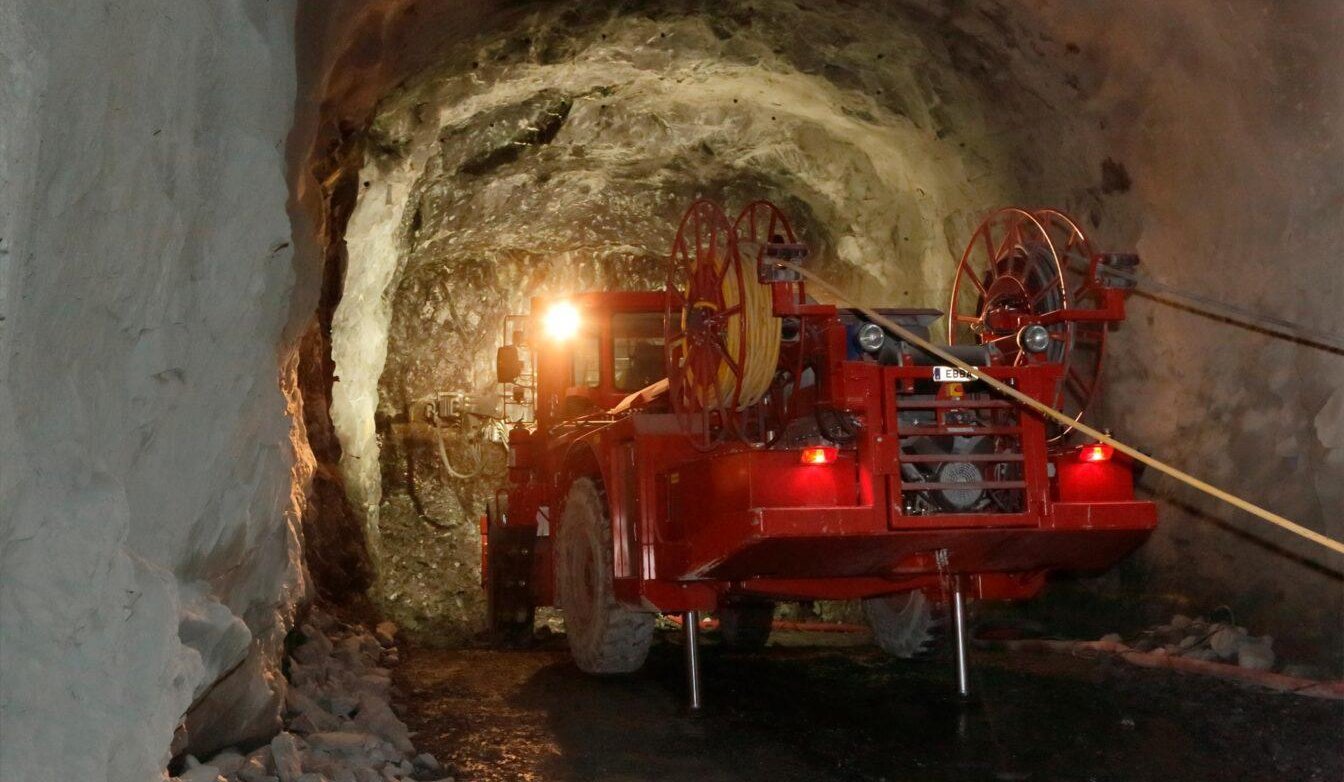
In the demanding operational environments of modern heavy industry, electrical infrastructure is subjected to physical, environmental, and mechanical stresses that exceed the capabilities of standard power cables. From the sprawling open-pit iron ore operations of the Pilbara in Western Australia to the deep underground coal seams of the Bowen Basin in Queensland, equipment operates under continuous, unforgiving cycles. Massive continuous miners, high-capacity draglines, tunnel boring machines, and mobile quay cranes rely on uninterrupted electrical power to maintain productivity. In these applications, power cables are not static utilities hidden safely inside conduit; they are dynamic, flexible power lifelines that must constantly reel, unreel, flex, twist, and endure severe abrasion while delivering reliable medium-voltage power.
Among the specialized industrial cables engineered to thrive under these conditions, the (N)TSKCGEWÖU cable represents an extraordinary standard of German VDE-style cable engineering. Designed specifically as a flexible medium-voltage reeling cable, (N)TSKCGEWÖU is built to handle severe mechanical stresses, extreme torsional forces, multi-plane deflections, and high reeling speeds. Crucially, it achieves this high degree of mechanical resilience while maintaining reduced overall weight and compact outer dimensions—a critical engineering achievement for mobile machinery where every kilogram of weight and every millimetre of cable diameter directly impacts reel design, motor load, and mechanical efficiency.
While originally specified for rigorous European mining and heavy construction standards, the (N)TSKCGEWÖU cable has found an ideal home in Australia’s unique operating landscape. Australian industrial sites present a combination of harsh conditions rarely matched elsewhere in the world: extreme ambient heat exceeding forty-five degrees Celsius, intense ultraviolet radiation, highly abrasive iron ore and quartz dust, torrential wet season downpours, and remote locations where unexpected equipment failure leads to catastrophic downtime costs. Feichun, a leading manufacturer committed to severe-duty industrial cable innovation, supplies high-performance (N)TSKCGEWÖU solutions engineered to meet and exceed these demanding field conditions.
This comprehensive guide provides an in-depth technical analysis of the (N)TSKCGEWÖU cable, exploring its specialized design, material construction, electrical performance parameters, and practical application across underground mining, opencast mining, infrastructure tunneling, and heavy construction machinery. Whether you are an electrical engineer designing power systems for a new tunnel boring machine, a site maintenance manager looking to eliminate cable twisting on mobile crushers, or a procurement officer sourcing long-life medium-voltage trailing cables, this article provides the technical clarity necessary to select and optimize (N)TSKCGEWÖU cable installations.
2. What Is (N)TSKCGEWÖU Cable?
To understand the specific purpose of the (N)TSKCGEWÖU cable, it is helpful to examine its designation under the standard VDE (Verband der Elektrotechnik) nomenclature system. Each letter in this designation describes a fundamental structural or operational characteristic of the cable:
(N) indicates that the cable is built according to national VDE standards or based on VDE design philosophy.
T stands for a trailing or reeling cable (Trommelbare Leitung), indicating that the core structure is specifically reinforced to withstand the constant mechanical motion, tension, and bending associated with cable drums and reeling drums.
S highlights special heavy-duty characteristics (Sonderausführung), signifying that the cable features enhanced mechanical protection, such as anti-twist braiding and specialized rubber sheathing.
KC denotes the compact structural design with reduced dimensions and reduced overall mass compared to conventional heavy-duty mining cables.
G designates rubber insulation (Gummi), specifically high-grade Ethylene Propylene Rubber (EPR) compounds designed for medium-voltage performance.
E indicates semi-conductive layer protection (Leitschichten) over the phase conductors and insulation, essential for controlling electrical field stress in medium-voltage applications.
W highlights weather, ozone, and oil resistance (Wetterbeständig), ensuring the outer rubber compounds endure harsh outdoor weathering and chemical exposure.
Ö indicates resistance to oil and petroleum-based fluids (Ölbeständig).
U denotes flame-retardant properties (Ummantelung / Unbrennbar), preventing flame propagation along the cable.
Fundamentally, (N)TSKCGEWÖU is a specialized, flexible, medium-voltage rubber-sheathed reeling cable engineered specifically for mobile energy transmission. Unlike standard static power cables that feature rigid copper conductors and stiff PVC or XLPE insulation designed solely for static installation in trays or trenches, (N)TSKCGEWÖU is designed for continuous dynamic operation. It operates as a vital link between static power supply networks and moving machinery.
The internal architecture of the cable combines finely stranded Class 5 tinned flexible copper conductors, multi-layer semi-conductive stress-control screens, high-dielectric EPR insulation, an anti-twist polyester reinforcement braid, and tough outer rubber sheathing. This multi-layer construction allows the cable to absorb complex mechanical stresses—including simultaneous bending, stretching, and twisting—without damaging the internal electrical conductors or degrading the insulation integrity.

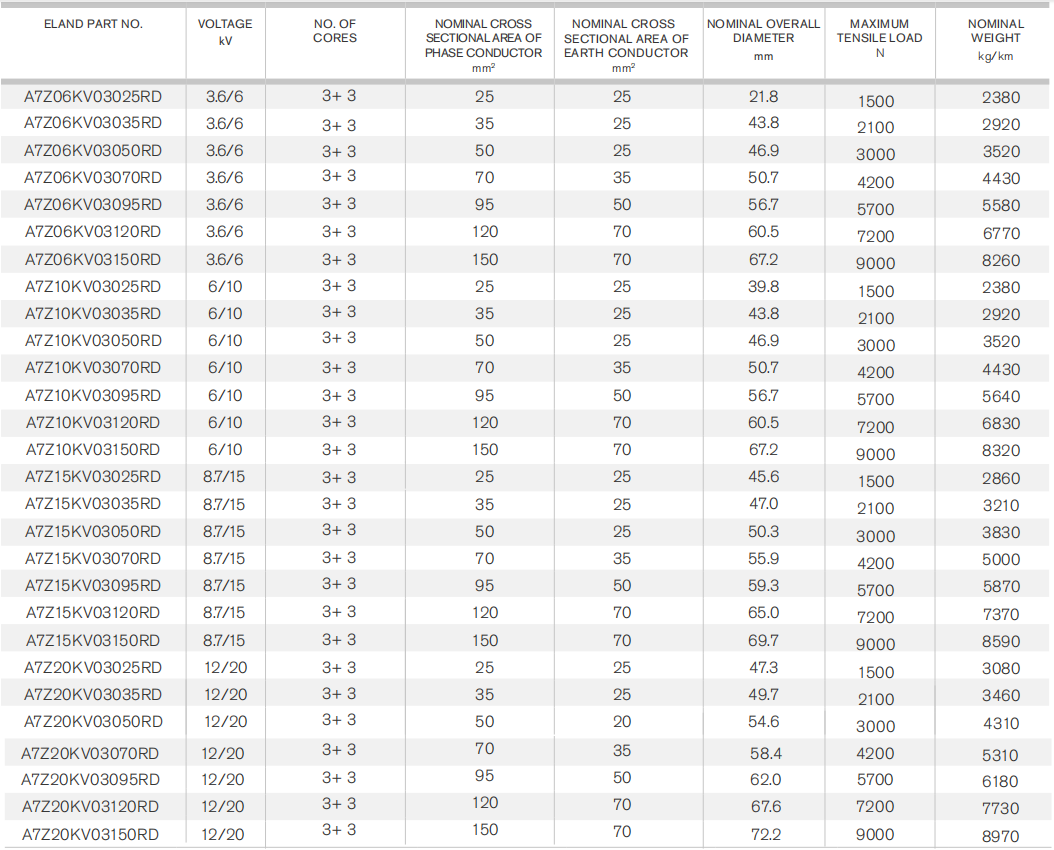
3. Cable Design and Construction
The exceptional durability and flexibility of the (N)TSKCGEWÖU cable stem directly from its sophisticated internal layer design. Every structural element, from the core conductor strands to the outer protective rubber jacket, is carefully chosen to work in harmony under continuous dynamic movement.
3.1 Phase Conductor
The heart of the (N)TSKCGEWÖU cable consists of three primary phase conductors responsible for carrying medium-voltage electrical power. To achieve maximum flexibility and fatigue resistance, these conductors are constructed using Class 5 finely stranded tinned copper wires.
Using tinned copper offers two distinct advantages. First, the tin coating prevents chemical reaction and corrosion between the copper surface and the rubber compounds over long operating periods, particularly under high operating temperatures. Second, tinned copper provides superior oxidation resistance in humid or moisture-heavy environments, such as underground mines and subsea tunneling projects. The fine stranding ensures that when the cable is tightly wound onto a reeling drum or bent around guiding sheaves, individual copper strands can slide past one another smoothly. This prevents internal stress concentrations, work-hardening of the metal, and premature wire breakage caused by bending fatigue.
3.2 Insulation System
Medium-voltage power cables operating at electrical potentials above three kilovolts require sophisticated electrical stress control to prevent dielectric breakdown, electrical treeing, and partial discharge. In the (N)TSKCGEWÖU cable, this is achieved through a multi-tier insulation system applied to each phase conductor.
Directly over the flexible tinned copper conductor, a semi-conductive tape and inner semi-conductive rubber layer are applied. This inner screen provides a smooth, perfectly cylindrical surface over the stranded conductor, eliminating microscopic air gaps and smoothing out local electric field peaks caused by individual outer strand geometry.
Over the inner semi-conductive layer lies the primary high-grade Ethylene Propylene Rubber (EPR) insulation compound. EPR provides outstanding dielectric strength, high thermal stability, and excellent resistance to thermal aging. Over the outer surface of the EPR insulation, a second outer semi-conductive rubber layer is applied. This outer screen maintains a uniform electrical field around the insulation and ensures smooth ground contact with the surrounding earth system.
3.3 Earth Conductor
Safety grounding is a critical priority in heavy mobile mining and construction equipment. The (N)TSKCGEWÖU cable incorporates earth conductors constructed from Class 5 flexible tinned copper strands, matching the high flexibility and mechanical endurance of the phase conductors.
In standard three-phase plus earth (3+3) core geometries, the protective earth conductor is divided into three equal smaller conductors placed symmetry-wise in the interstitial spaces between the main phase cores. This symmetrical geometry minimizes physical unbalanced forces during high-speed reeling and ensures that electromagnetic field coupling remains balanced across all phases.
3.4 Central Filler
At the core of the cable structure lies a specialized semi-conductive compound central filler. Rather than using cheap fibrous fillers that can absorb moisture or break down under compression, the semi-conductive filler provides a stable physical core that maintains the circular symmetry of the cable.
Under severe bending, reeling, and crushing forces, this semi-conductive filler supports the internal core positioning, preventing phase conductors from migrating inward or deforming. Furthermore, its semi-conductive nature contributes to overall grounding and electrical stress management inside the cable assembly.
3.5 Fiber Optic Option
Modern mining, tunneling, and heavy construction equipment rely heavily on real-time data transmission for automated guidance, remote control, video monitoring, and machine health telemetry. To eliminate the need for a separate, fragile trailing communication cable, the (N)TSKCGEWÖU cable can be manufactured with integrated fiber optic elements embedded within the core layout.
Feichun offers versatile fiber optic core options within the (N)TSKCGEWÖU design, including:
50/125 multimode fiber optic cores for high-bandwidth local equipment control and video streaming.
62.5/125 multimode fiber optic cores compatible with legacy industrial communication networks.
9/125 singlemode fiber optic cores designed for long-distance data transmission over extended mining pits or long tunnel drives.
These optical fibers are housed within robust, crush-resistant, gel-filled protective tubes that buffer the delicate glass fibers from mechanical forces, thermal expansion, and severe cable bending.
3.6 Inner and Outer Sheath
Physical protection against the harsh external world is provided by a dual-sheath rubber construction. The inner sheath is composed of a heavy-duty rubber compound that binds the stranded core assembly tightly together, filling interstitial spaces and providing a smooth foundation for the reinforcement layers.
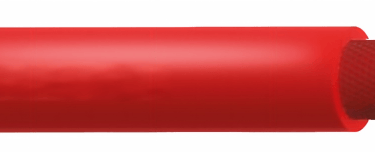
The outer sheath is formulated from a high-performance, flame-retardant, oil-resistant, and abrasion-resistant synthetic rubber compound. Styled in a high-visibility vibrant red color, the outer sheath makes the cable easily visible against dark underground rock walls, muddy tunnel floors, and dusty opencast pit surfaces, drastically reducing the risk of accidental vehicle run-overs. The outer rubber compound is specifically stabilized against intense ultraviolet exposure and ozone degradation, rendering it ideal for Australia's harsh outdoor climate.
3.7 Anti-Twist Structure
Reeling applications subject trailing cables to immense torsional stress as the cable is pulled off a drum, guided through multi-directional sheaves, or wound under high tension. Without internal torsional protection, these rotational forces accumulate inside the cable, causing the inner conductors to twist out of alignment, leading to physical deformation known as "corkscrewing" and eventual insulation rupture.
To prevent this phenomenon, the (N)TSKCGEWÖU cable incorporates an anti-twist structural reinforcement element sandwiched between the inner and outer rubber sheaths. This anti-twist layer consists of a high-tensile polyester braid firmly vulcanized between the two sheath layers. This braided mesh acts as a mechanical torque balance matrix, absorbing torsional forces and transferring longitudinal tensile loads evenly along the cable structure without allowing internal core twisting.
4. Electrical and Mechanical Performance Parameters
The operational capability of the (N)TSKCGEWÖU cable is defined by stringent electrical ratings and mechanical limits designed to ensure total safety and longevity in high-stress field conditions.
4.1 Voltage Rating
The (N)TSKCGEWÖU cable family is engineered for medium-voltage energy distribution across four distinct operating voltage classes:
3.6/6 kV nominal voltage rating.
6/10 kV nominal voltage rating.
8.7/15 kV nominal voltage rating.
12/20 kV nominal voltage rating.
These options allow plant designers to match power delivery requirements precisely to equipment voltage specifications, ranging from localized underground power centers up to large high-voltage surface excavators.
4.2 Test Voltage
To verify dielectric strength and operational safety prior to field deployment, every production run of (N)TSKCGEWÖU cable undergoes rigorous high-voltage factory routine testing. The electrical test voltages applied per rating are:
3.6/6 kV rating: Factory test voltage of 11 kV.
6/10 kV rating: Factory test voltage of 17 kV.
8.7/15 kV rating: Factory test voltage of 24 kV.
12/20 kV rating: Factory test voltage of 29 kV.
These testing standards ensure that the insulation system can withstand transient voltage surges, switching spikes, and lightning-induced overvoltages commonly experienced on industrial supply grids.
4.3 Mechanical and Thermal Performance
Mobile trailing and reeling applications subject cables to severe physical limits. The (N)TSKCGEWÖU cable is built to operate reliably up to the following maximum technical boundaries:
Maximum Torsional Stress: Plus or minus 25 degrees per metre (± 25°/m), allowing the cable to endure significant axial rotation during complex multi-plane reeling without mechanical degradation.
Maximum Tensile Load: 30 Newtons per square millimetre (30 N/mm²) of total phase conductor cross-sectional area, ensuring high pull strength when dragging long lengths across heavy terrain or winding onto tensioned reels.
Maximum Working Speed: Up to 240 metres per minute (240 m/min), making it one of the fastest rated reeling cables available for high-speed automated equipment.
Maximum Short-Circuit Temperature: 250 degrees Celsius for up to five seconds, preventing insulation meltdown during severe electrical fault conditions.
Flexing Operating Temperature Range: Minus 30 degrees Celsius to plus 90 degrees Celsius (-30°C to +90°C), maintaining full flexibility during continuous dynamic operation.
Fixed Installation Temperature Range: Minus 50 degrees Celsius to plus 90 degrees Celsius (-50°C to +90°C), ensuring structural stability in static cold storage or fixed feeder routes.
4.4 Minimum Bending Radius
Maintaining proper bending radii is crucial for preventing conductor strain and insulation breakdown. The minimum allowable bending radii for (N)TSKCGEWÖU cable are:
Fixed installation applications: 6 times the overall cable diameter (6 x D).
Flexible or dynamic reeling applications: 10 times the overall cable diameter (10 x D).
For example, an 8.7/15 kV cable with a nominal outer diameter of 50 millimetres requires a minimum dynamic reel bending radius of 500 millimetres, ensuring effortless reeling without excessive mechanical stress.
5. Why This Cable Suits Mining Applications
Mining operations, whether deep underground or on the earth's surface, present some of the most destructive environments for electrical infrastructure. Power cables are pulled over sharp rock edges, submerged in acidic mine water, exposed to intense sun and dust, and subjected to continuous high-speed reeling cycles.
The (N)TSKCGEWÖU cable is specifically optimized to overcome these challenges. Standard heavy-duty mining cables often rely on bulky, heavy construction to achieve mechanical durability. While effective for slow-moving or stationary equipment, heavy cables create massive mechanical penalties on high-speed mobile mining machinery. Heavy cables require larger reeling drums, higher-torque motor drives, and heavier support structures, which in turn increase machine weight, reduce payload capacity, and increase energy consumption.
The compact design of (N)TSKCGEWÖU solves this engineering trade-off. By utilizing high-grade synthetic EPR compounds and high-tensile polyester anti-twist braiding, Feichun's (N)TSKCGEWÖU cable delivers equal or superior mechanical strength and dielectric integrity while significantly reducing overall cable mass and outer diameter.
For Australian mine sites, reduced weight translates directly into operational efficiency. Smaller cable diameters allow longer continuous cable lengths to be spooled onto standard-sized reeling drums, expanding the operational reach of mobile equipment without requiring mid-span cable splices or frequent power reconnects. Furthermore, lower overall weight reduces tension forces on the cable during high-speed reeling, drastically reducing wear on guide rollers, sheaves, and drum motors.
6. Underground Mining Applications
Underground mining is an environment defined by tight space constraints, complete lack of natural light, humid atmosphere, and constant machinery movement. Equipment operating in underground roadways must continuously maneuver while tethered to medium-voltage power distribution centers.
6.1 Typical Underground Equipment
The (N)TSKCGEWÖU cable is the power cable of choice for a wide spectrum of mobile underground mining equipment, including:
Continuous Miners slicing through coal seams and hard rock.
Longwall Shearers traversing back and forth across high-production coal faces.
Shuttle Cars and Battery-Electric Haulers transporting extracted material to underground crushers.
Underground Load Haul Dump (LHD) loaders operating in tight draw points.
Mobile Underground Power Centers and Transformer Units.
6.2 Underground Working Conditions
Underground mining machinery operates in cramped, highly abrasive conditions where the trailing cable is constantly dragged over blasted rock, mud, and water channels. As a continuous miner or shuttle car reverses, turns, and advances, the power cable is subjected to sharp lateral pulls, multi-plane deflection, and severe torsional twisting.
In addition, underground cables are exposed to crushing risks from passing rubber-tired vehicles and roof rock falls. Space limitations on underground machines mean that cable reels must be as compact as possible, forcing the cable to endure tight bending radii and rapid acceleration/deceleration cycles during continuous spooling.
6.3 Why Standard Medium-Voltage Cables Fail Underground
Conventional medium-voltage cables designed for fixed industrial installation or standard overhead tray layout fail rapidly when deployed in underground mobile service.
First, standard cables lack an anti-twist structural braid. When subjected to multi-plane bending and twisting, standard cables accumulate internal torque, causing individual phase conductors to bird-cage or corkscrew inside the jacket. This leads to local insulation thinning, internal short-circuits, and catastrophic cable failure.
Second, standard outer jackets made from soft PVC or basic rubber lack the tear and cut resistance necessary to survive sharp basalt or quartz edges. Once moisture or mine water penetrates the outer jacket, partial discharge quickly destroys the insulation. The (N)TSKCGEWÖU cable's dual rubber sheath and embedded polyester anti-twist grid explicitly eliminate these failure mechanisms.
7. Opencast Mining Applications
Opencast and open-pit mining operations operate on a vast geographic scale. In Australia’s major mining centers, such as the Pilbara iron ore mines, the Hunter Valley coal operations, and the Goldfields region of Western Australia, massive electrical excavators and draglines operate continuously under blazing sun and heavy airborne dust.
7.1 Typical Opencast Equipment
In surface mining environments, the (N)TSKCGEWÖU cable provides reliable flexible power for heavy mobile infrastructure, including:
High-Capacity Electric Draglines removing thick overburden layers.
Hydraulic and Electric Rope Excavators loading massive haul trucks.
Large Rotary Blast Hole Drilling Rigs moving between pattern locations.
Mobile In-Pit Crushers and Conveyor Tripper Cars.
Mobile Dewatering Pump Stations positioned on pit floors.
7.2 Working Conditions and Environmental Stress
Opencast mining environments present extreme environmental challenges. In Australian open-cut pits, summer ambient temperatures routinely top forty-five degrees Celsius, with pit surface temperatures exceeding sixty degrees Celsius. Under these conditions, lower-grade rubber compounds soften, lose tensile strength, and become highly susceptible to cutting and abrasion.
Conversely, night-time temperatures in desert mining regions can drop rapidly, causing poor-quality rubbers to become brittle and crack during motion. Furthermore, surface equipment travels over long distances at high speeds, dragging cables across dry, sharp pit floors coated in iron ore or quartz grit.
The (N)TSKCGEWÖU cable excels in these conditions. Its specialized rubber compounding withstands flexing temperatures up to ninety degrees Celsius, while remaining flexible down to minus thirty degrees Celsius. Its intense resistance to UV light, ozone, and ground surface abrasion ensures long operational life even when permanently exposed to Australia’s uncompromising solar radiation.
8. Tunneling Applications
Civil infrastructure development relies heavily on modern tunneling technology to construct underground transport corridors, rail networks, water conduits, and utility passages. Modern tunneling is dominated by high-technology automated machinery that demands immense electrical power and high-speed data connectivity.
8.1 Typical Tunneling Equipment
Key tunneling equipment utilizing (N)TSKCGEWÖU cable includes:
Tunnel Boring Machines (TBMs) cutting through mountain ranges and urban bedrock.
Roadheaders performing selective excavation in variable ground conditions.
Automated Drilling Jumbos drilling precise charge holes and rock-bolt patterns.
Shotcrete Spraying Mobile Units and Grouting Platforms.
8.2 Why (N)TSKCGEWÖU Fits Modern Tunneling Projects
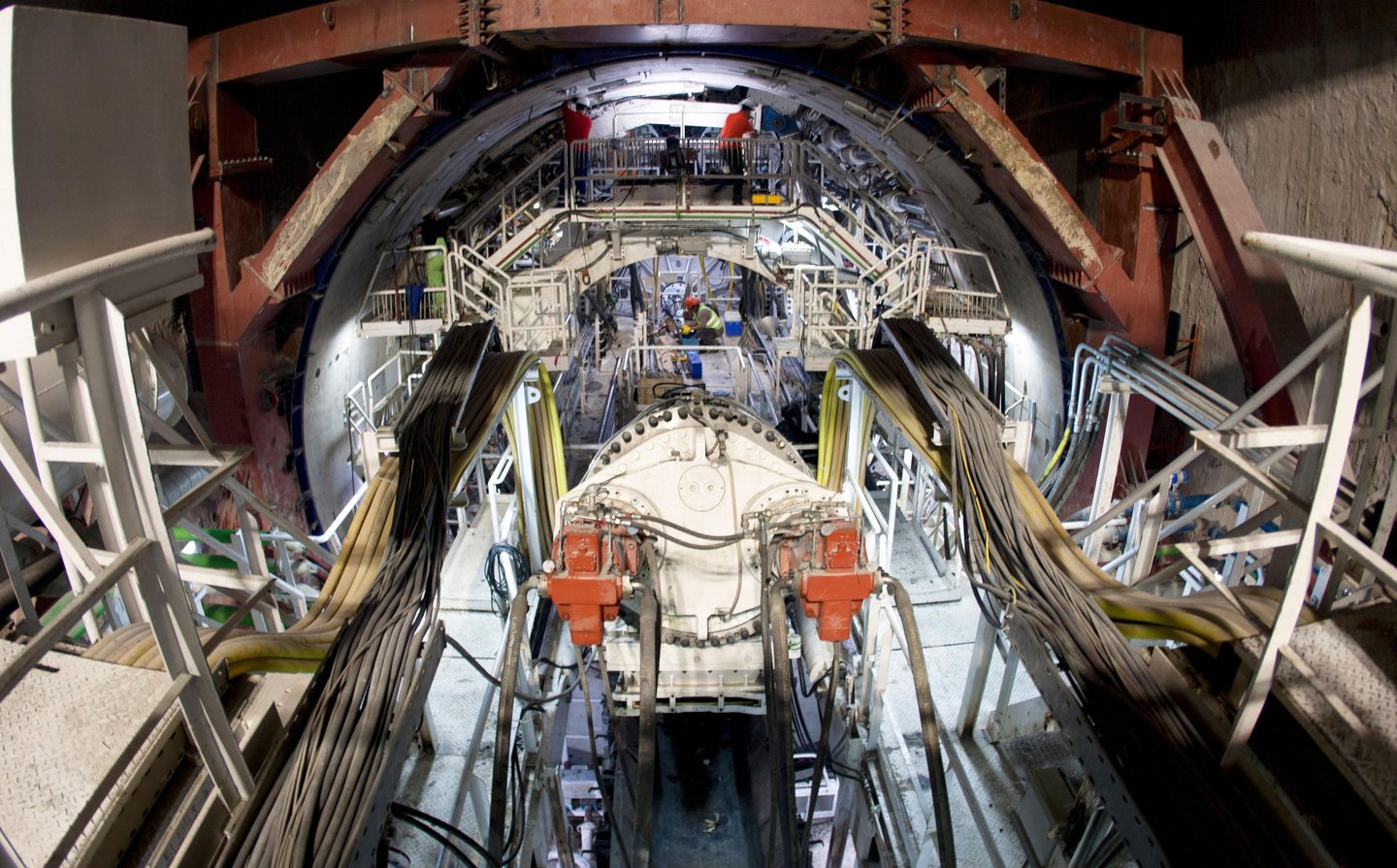
A Tunnel Boring Machine is a giant floating factory that advances continuously underground. As the TBM moves forward, it reels out or drags medium-voltage power cables connecting back to the main tunnel transformer station.
Because tunneling operations take place inside enclosed circular concrete tubes, space on the TBM gantry for cable storage and reeling drums is extremely limited. The compact outer diameter and reduced weight of (N)TSKCGEWÖU cable allow engineers to install smaller, lighter reeling systems.
Furthermore, the integration of optional fiber optic cores (such as 50/125 multimode or 9/125 singlemode) directly inside the power cable allows the TBM operator to transmit gigabit-speed guidance data, cutterhead vibration telemetry, laser alignment signals, and high-definition video feeds back to the surface control room through a single cable assembly. This eliminates the need for trailing separate communication lines, which frequently snag, break, and cause operational delays.
9. Heavy Machinery and Construction Applications
Beyond mining and civil tunneling, the versatile design of the (N)TSKCGEWÖU cable makes it an outstanding power solution for heavy industrial mobile machinery operating across coastal ports, shipping terminals, major construction sites, and bulk material handling facilities.
9.1 Typical Industrial Equipment
Ship-to-Shore (STS) Container Cranes operating along salt-water port wharves.
Rail-Mounted Gantry (RMG) and Rubber-Tired Gantry (RTG) harbor cranes.
Heavy Duty Piling Rigs and Mobile Foundation Drilling Machines.
Mobile Crushing, Screening, and Stockpiling Plants in quarrying operations.
Large Material Reclaimers and Stackers in bulk port terminals.
9.2 Operational Value in Construction and Material Handling
On major infrastructure construction sites and port terminals, equipment operates continuously outdoors, subject to coastal salt spray, heavy rain, diesel fuel spillage, and heavy mechanical handling. Equipment move frequently, requiring power cables that can be spooled quickly onto automated motorized reels operating at speeds up to 240 metres per minute.
The (N)TSKCGEWÖU cable acts as a vital bridge connecting heavy construction into reliable industrial electrical supply. Its oil resistance (denoted by the Ö parameter), flame retardancy, and massive high-tensile load rating (30 N/mm²) guarantee that equipment operators can maneuver large machinery confidently without fearing power line rupture or jacket degradation from hydrocarbon exposure.
10. Key Performance Advantages Summary
To provide a clear overview of why the (N)TSKCGEWÖU cable is widely adopted across high-stress industries, its core engineering advantages can be highlighted through several primary performance pillars:
Reduced Weight and Outer Dimensions: The compact KC structural design reduces overall mass and diameter, enabling smaller reeling drums, lower motor torque requirements, and increased cable spooling length.
Superior Torsional Endurance: The integrated high-tensile polyester anti-twist braid effectively absorbs rotational forces, permitting torsional stress up to ± 25°/m without internal core displacement or corkscrewing.
High Speed Dynamic Reeling: Rated for working speeds up to 240 metres per minute, supporting the fastest modern automated mobile equipment.
High-Grade Electrical Stress Control: Dual semi-conductive screens combined with high-grade EPR insulation provide exceptional dielectric strength and partial discharge resistance across medium-voltage classes up to 12/20 kV.
Robust Environmental Protection: Heavy-duty rubber outer sheath finished in high-visibility red offers outstanding resistance to UV radiation, ozone, oil, flame, cutting, and severe rock abrasion.
Integrated Power and Data Capabilities: Optional singlemode or multimode fiber optic elements allow seamless simultaneous transmission of high-voltage power and real-time control data within a single integrated cable structure.
Broad Operating Temperature Window: Fully functional during dynamic flexing from -30°C to +90°C, perfectly suited for extreme Australian outdoor heat and cold site conditions.
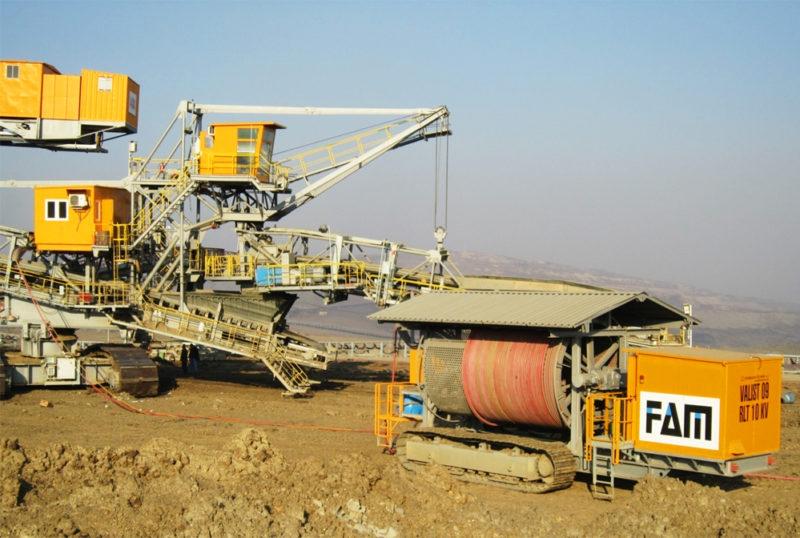
11. Alternative Replacement and Upgrade Solutions
When site managers and electrical engineers evaluate power cables for mobile equipment, they are frequently forced to choose between generic fixed-installation medium-voltage cables or traditional, bulky mining trailing cables.
Generic medium-voltage cables (such as standard XLPE insulated, PVC sheathed cables) are engineered strictly for static installation in underground trenches, conduits, or fixed cable trays. When deployed on mobile equipment or reeling drums, these cables fail rapidly. Their rigid solid or low-class stranded copper conductors quickly suffer bending fatigue and snap. Their unreinforced outer sheaths tear under tension, and their lack of semi-conductive stress control layers under dynamic flexing leads to internal partial discharge and insulation breakdown.
On the other hand, traditional heavy-duty trailing cables can be overly heavy and rigid, imposing massive weight penalties on equipment reels. The Feichun (N)TSKCGEWÖU cable serves as the ultimate modern replacement and upgrade solution. It provides the exact dielectric robustness of high-voltage grid cables combined with the extreme flexibility, anti-twist protection, and compact light-weight construction demanded by modern high-speed mobile automation.
For operations replacing damaged or obsolete trailing cables, switching to Feichun's (N)TSKCGEWÖU cable delivers immediately measurable benefits: extended operational lifespan, reduced downtime caused by cable repair splices, improved energy efficiency of reel drive motors, and simplified inventory management by combining power and fiber optic data transmission into a single, highly durable cable assembly.
12. Complete Cable Selection and Procurement Guide
Selecting the optimal (N)TSKCGEWÖU cable configuration for a specific mining, tunneling, or heavy machinery application requires systematic verification of electrical, mechanical, and environmental parameters. Engineers and procurement officers should follow this step-by-step selection framework:
Confirm Operating System Voltage: Determine the grid and equipment operating voltage class. Choose from 3.6/6 kV, 6/10 kV, 8.7/15 kV, or 12/20 kV options to ensure proper dielectric insulation thickness and routine factory test voltage verification.
Calculate Current Carrying Capacity and Conductor Size: Calculate the maximum continuous load current, accounting for derating factors such as ambient temperature (especially for Australian summer conditions), multi-layer spooling on reeling drums, and short-circuit rating requirements. Select conductor cross-sections ranging from 25 mm² up to 150 mm².
Verify Core Configuration: Confirm core requirements. Standard configurations utilize a symmetrical 3+3 design (3 primary phase conductors plus 3 split earth conductors) to ensure total electromagnetic balance and smooth mechanical flexing.
Determine Data and Telemetry Needs: Assess whether real-time data transmission, equipment control, or video monitoring is required. If so, specify integrated fiber optic cores, choosing between 50/125 multimode, 62.5/125 multimode, or 9/125 singlemode optical fibers based on network architecture and transmission distance.
Evaluate Reeling Speed and Tension Dynamics: Compare the equipment's maximum travel speed and reeling tension against the cable's operational limits (240 m/min max working speed; 30 N/mm² max tensile load; ± 25°/m max torsional stress). Ensure drum payout geometry respects minimum dynamic bending radius guidelines (10 x overall cable diameter).
Assess Severe Environmental Factors: Verify outer sheath resistance against specific site hazards, such as oil contact, acidic mine water, extreme solar UV exposure, or heavy stone abrasion.
13. Conclusion
In the demanding worlds of mining, underground tunneling, and heavy machinery operations, electrical power cables are far more than passive conductors—they are critical operational assets that directly govern equipment uptime, productivity, and site safety. When power cables fail under mechanical stress, multi-million dollar excavators, continuous miners, and tunnel boring machines come to a complete standstill, incurring immense financial downtime costs.
The (N)TSKCGEWÖU flexible medium-voltage reeling cable offers an engineering masterclass in balancing physical compact size with extreme mechanical durability. Through its finely stranded Class 5 tinned copper conductors, multi-layer EPR insulation system, integrated anti-twist polyester braid, robust dual rubber sheathing, and optional fiber optic integration, (N)TSKCGEWÖU stands as a premier solution for severe-duty mobile electrification.
For Australian industrial operators facing unmatched ambient heat, abrasive ground conditions, and aggressive operational schedules, Feichun’s high-performance (N)TSKCGEWÖU cable range provides the ultimate peace of mind. By replacing heavy, obsolete cables with optimized, lightweight (N)TSKCGEWÖU solutions, plant managers can increase reeling speeds, reduce mechanical strain on equipment drives, eliminate torsional corkscrewing, and ensure uninterrupted power and data delivery across the most extreme working environments on Earth.
14. Frequently Asked Questions (FAQ)
What does the designation (N)TSKCGEWÖU stand for?
The designation follows German VDE standard naming conventions. It indicates a VDE-style (N), heavy-duty reeling cable (T) with special features (S), compact reduced dimensions (KC), synthetic EPR rubber insulation (G), semi-conductive field control layers (E), weather/ozone/UV resistance (W), oil resistance (Ö), and flame-retardant outer rubber sheathing (U).
Can (N)TSKCGEWÖU cable be used in both underground and open-pit mining?
Yes. The cable is specifically engineered for both underground and opencast surface mining operations. Its flame-retardant rubber construction and compact dimensions make it ideal for cramped underground continuous miners and shuttle cars, while its extreme UV, ozone, and abrasion resistance allow it to perform flawlessly in open-pit iron ore and coal mines exposed to direct sunlight and harsh weather.
How does the anti-twist element protect the cable during high-speed reeling?
The anti-twist element is a high-tensile polyester braid firmly vulcanized between the inner and outer rubber sheaths. During dynamic reeling, mono-directional or multi-plane bending forces try to twist the cable axially. The embedded polyester braid acts as a mechanical torque balance grid, absorbing rotational forces and transferring tensile stress evenly along the jacket, preventing internal core twisting and corkscrew deformation.
What fiber optic options are available inside the cable?
Feichun offers three primary fiber optic configurations embedded within the cable layout: 50/125 multimode, 62.5/125 multimode, and 9/125 singlemode optical fibers. These fibers allow simultaneous high-speed control, automated machine guidance, video monitoring, and data telemetry alongside medium-voltage power delivery.
What is the maximum reeling speed supported by (N)TSKCGEWÖU cable?
The cable is rated for high-speed dynamic reeling applications with a maximum working travel speed of up to 240 metres per minute (240 m/min), making it suitable for modern high-speed automated cranes, stackers, excavators, and continuous miners.
How does Australia's climate impact cable selection, and why is this cable suitable?
Australia’s harsh outdoor climate subjects cables to high ambient summer heat (exceeding 45°C), high pit floor surface temperatures, intense UV radiation, and abrasive dust. Feichun's (N)TSKCGEWÖU cable features high-temperature rated EPR insulation and a UV-stabilized, oil-resistant rubber sheath capable of operating continuously up to 90°C conductor temperature, ensuring long-term resistance against heat degradation, cracking, and mechanical wear.
How to Reach Us
Get in Touch
SiteMap
Product Catalogue
Festoon Cable
Shore Power Cable


Scan to add us on WeChat